We’ll never be able to overstate the value of marketing for architects and designers.
Why?
Because even if your designs are brilliant, they’re a tree fallen in an empty forest with no one around to see them!
And sadly, in today’s saturated marketplace and online overload, gorgeous architecture and beautiful design work isn’t enough to get you traction.
At least, not without a marketing strategy as bold as your buildings.
In this article, the team at Market Your Architecture has cooked up a litany of what we believe are the best ways to market both architecture and design work.
In this article, you can discover how to find your people, tell your story, and build a business that reflects your genius.
Why is Marketing Important for Architects and Designers?

Marketing is how you communicate your unique value propositions, build brand recognition, and reach your target audience.
Your designs are brilliant, right?
Well, then – marketing is really a chance to share your passion.
It’s your megaphone to the world, a tool to turn admirers into clients, and a way of reflecting on what you’ve made and going, “Hey, look. I’m proud of this!”
And with a robust strategy to market your wares, you can turn heads, win hearts, and build a practice that reflects your vision and values.
Channels such as social media and email marketing are valuable avenues with which to:
- Share your architectural portfolios,
- Highlight successful architectural proposals,
- Establish credibility through referrals and testimonials.
It’s much like designing a skyscraper – if your marketing plan lacks a solid foundation, your clients might not want to step inside.
Moreover, the right marketing approach can help you attract new clients and turn existing clients into repeat business.
With the right mix of marketing content and a splash of creativity, you’ll be attracting potential customers faster than a well-placed advertisement can say, “Look at my fabulous designs!”
Why is it Essential for Architects and Designers to Market Their Work?
Marketing reveals what clients truly desire and helps you build designs that resonate.
Showing off your portfolio is one aspect of it, sure.
But in our mind, it’s really more compelling when it recognizes and speaks to client needs.
Appropriate marketing strategies enable architects to engage meaningfully with potential clients.
Showcasing completed projects and sharing innovative designs – these are how professionals in this field can capture attention and increase visibility.
And engaging with clients through efficient communication channels fosters trust and enhances collaboration, which ultimately leads to higher satisfaction rates.
Some strategies to employ to position your proposals effectively:
- Using data analytics to assess client preferences.
- Attending industry events to network and showcase expertise.
- Creating interactive content that resonates with the target audience.
In our experience, these methods usually translate to successful project acquisition and long-term relationships.

How Can Marketing Help Architects and Designers Stand Out in the Industry?
Using clever architectural marketing tactics is what allows you to flaunt one-of-a-kind skills and offerings.
Choosing the right avenue to do this matters as much as the content you make.
We recommend weaving in niche marketing strategies, which is how you can fine-tune your services to hit the sweet spot with specific audiences and really make sure your message hits home.
Take, for example, architects who focus on sustainable designs.
They could easily charm eco-conscious clients with social media campaigns that shine a spotlight on their green-building prowess.
Making those connections, one clever post at a time, is what we recommend.
Additionally, leveraging SEO for architects and designers can effectively enhance online visibility.
For more on that, you can check out our earlier blog on the topic here.
Then, you can focus on using relevant keywords related to your expertise and geographical location, as this is what can drive organic traffic to your website.
On top of that, you can include a well-structured blog featuring insightful articles on recent projects or industry trends.
We do this on our website, as you’ll know if you’re reading this post – and that’s because it attracts potential clients looking for in-depth knowledge and a rich sense of your services.
What’s more, engaging in social media marketing allows architects to showcase their work visually, build a community, and foster relationships with clients.
And the best news is – you don’t have to break the bank.
In fact, most businesses land up spending less than $1,000 a month on their content marketing, with most of that budget going toward social media marketing.
Understanding Your Target Audience
Grasping the essence of your target audience is essential for architects and designers.
When you pinpoint your ideal client, you can conjure marketing campaigns that dovetail perfectly with what your audience is after.
Get to know your target market, and you’ll learn to shape your architectural marketing strategy in the smartest ways.
You’ll also supercharge your ability to reel in golden leads—both the marketing kind and the business development variety.
Identifying Your Ideal Client
We recommend that you know your audience and design with them in mind.
It’s about focus, not scattergun.
Pinpoint your dream clients and tailor every move to win them over.
Every line you draw should lead you closer to them.
Understanding demographics—such as age, income level, and geographic location—allows for a more precise identification of the target audience.
- Demographics: The ideal client often falls within specific age ranges and income brackets, typically characterized by a steady financial foundation and an appreciation for design.
- Preferences: Clients may prefer certain architectural styles or sustainable practices, indicating a desire for individuality or environmental consciousness.
- Needs: Most importantly, they seek a reliable partner to turn their vision into reality, highlighting the importance of trust and communication.
By synthesizing this information, you can craft tailored marketing messages that resonate more deeply with potential clients, enhancing your acquisition of marketing-qualified leads.
Researching Your Target Market
Industry trends, client preferences, and potential opportunities – all of this knowledge comes from researching your target market.
Don’t skimp on this one, as this is where your insights come from most.
Research, research, research!
To attain a comprehensive understanding of the market landscape, engagement across a variety of effective research methods is likely the best approach.
First and foremost, conducting surveys can provide invaluable insight into client needs and expectations.
Performing an analysis of competitors allows for gauging your positioning within the industry, helping you identify areas of improvement and differentiation.
On top of that, a thorough examination of industry reports can work wonders.
These reports often highlight emerging trends, economic forecasts, and the overall health of the architecture sector.
Such meticulous research plays a major role in shaping architectural marketing strategies and enhancing client outreach.
The result is that you can more closely align your services with market demand, and that’ll in turn drive business success.
Creating a Strong Brand Identity
Ah, the art of creating a strong brand identity!
Always a daunting – but very necessary – task.
And the good news is, once you’ve got it all ironed out, the rest of your advertising flows a lot more naturally than it would otherwise.
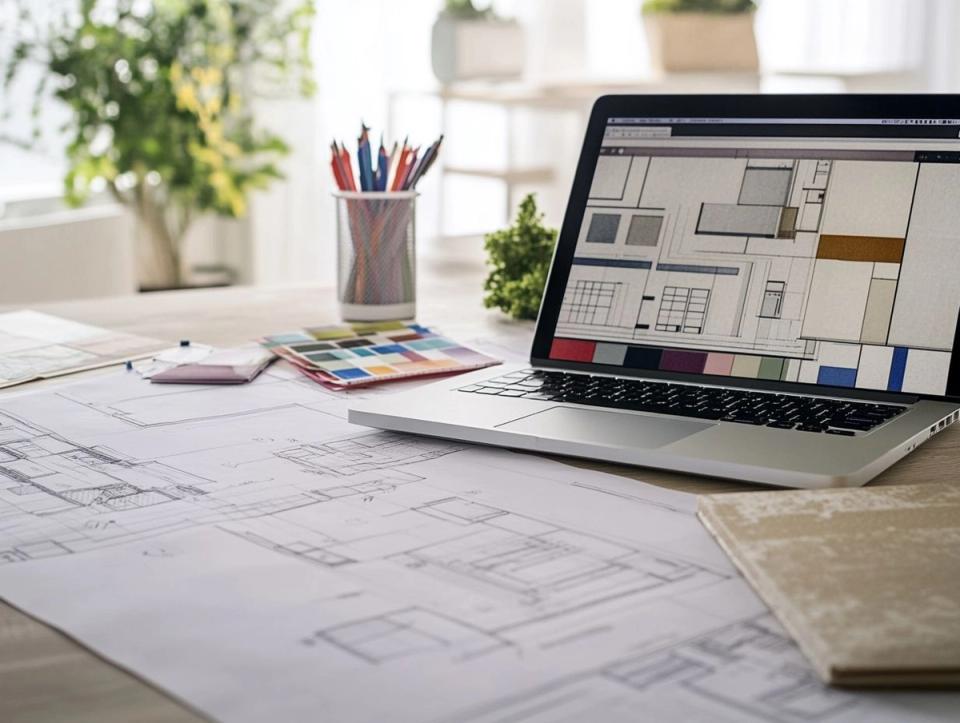
This is a signal that shares the soul of your practice, expressed visually and verbally.
It encapsulates your unique values, design philosophy, and the experience you offer clients.
From the colors you choose to the words you use, every element should reflect your firm’s personality and resonate with your target audience.
A well-crafted brand identity not only differentiates you from competitors but also builds trust and loyalty – making it easier to attract and retain clients who share your vision.
With AI and other technologies at work, a blended reality is coming into being, and your brand identity needs to keep pace.
Developing a Unique Brand Voice and Visuals
Your brand can truly distinguish you or lump you in with the crowd.
We all want the former, right?
So, that means developing a look and voice that’s singular – truly yours.
Want to be the bold, edgy architect?
Or perhaps – the warm, inviting one?
To effectively communicate your vision and values, you should consider various components that contribute to an impactful brand identity.
The tone of messaging should reflect the firm’s ethos, whether it’s through formal language showcasing expertise or a more approachable tone that invites collaboration.
This is often complemented by visuals such as logos and website designs that encapsulate the firm’s essence.
At MYA, for example, we use colors and a confident tone to convey our brand identity to potential clients.
Just take a look at our website, which might offer some inspiration:

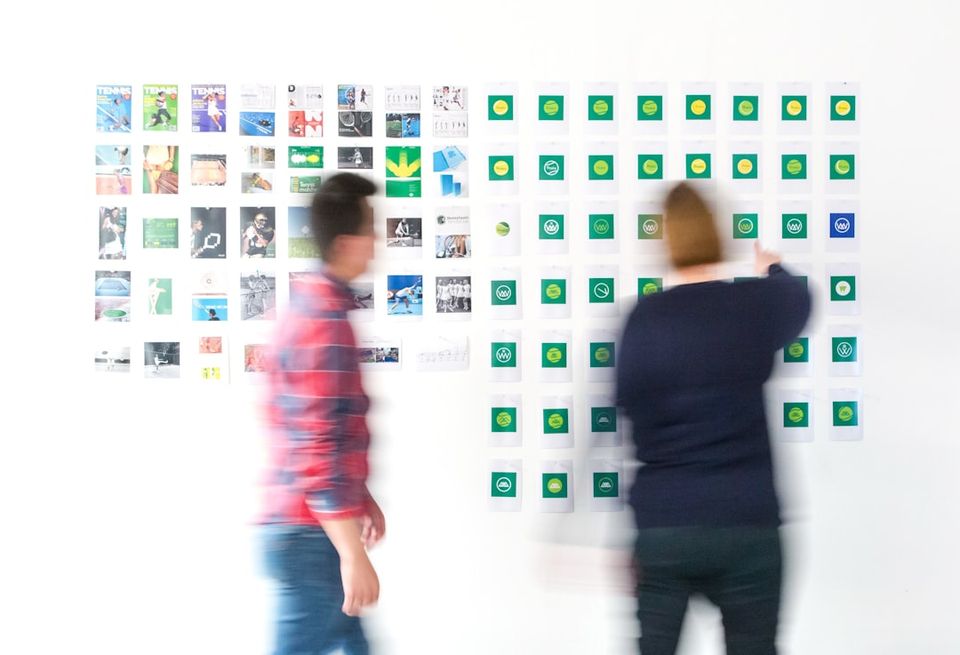
As you can see, we’ve standardized fonts, visuals, and our minty-green and black color scheme.

And of course, we’ve tried to give a clear, direct, uncomplicated sense of who we are – what we care about and wish to accomplish as a brand.
And you can do exactly that.
To extend this idea, an architecture firm specializing in sustainable design may use earthy color palettes and natural imagery to echo their commitment to environmental consciousness.
- Example 1: Firm A embraces minimalism, using a simple logo and subtle colors to convey sophistication.
- Example 2: Firm B uses bold graphics and innovative layouts on their website to showcase cutting-edge designs.
And don’t forget to do your research.
What other companies are there in the area? Who exactly is your competition?
It benefits no one to copy and paste another brand verbatim – not you and not them either.
You want your brand to be yours, and you also want it to be cohesive – capable of helping you form lasting relationships with clients and others in the industry.
Establishing Your Brand Positioning
Your brand positioning is how you define who you are, who you’re not, and why clients should care.
It can also lead to a 10% – 20% revenue increase, which is pretty wild and not worth overlooking.
This is about crafting a clear path to your ideal client’s heart.
Remember, every design decision starts with a solid foundation.
Your brand positioning is that foundation.
To effectively carve out a space in a competitive field, you must cultivate a strong presence by emphasizing your unique offerings and vision.
This process involves defining your brand’s core values and ensuring that messaging resonates with potential clients.
We believe that achieving this clarity enables architects to:
- Connect deeply with their target audience’s aspirations.
- Communicate their strengths confidently and clearly.
- Differentiate themselves from competitors by highlighting distinct specialties.
Refined brand positioning paves the way for successful strategies that truly reflect the essence of your architectural practice.

Building an Online Presence
Because your online presence serves as a primary platform for sharing your work and attracting clients, it’s absolutely essential for architects and designers.
A professional website acts as a portfolio and central hub for all marketing activities, while effective social media marketing enhances visibility and engagement with a broader audience.
By creating valuable content that showcases expertise, architects can leverage their online presence to drive lead generation and improve conversion rates.
Creating a Professional Website
Show off your masterpieces in high-definition, tell the remarkable and attention-grabbing stories behind each project, and make it easy for clients to fall in love with your work!
All this – and more – you can do on a professional website.
First impressions matter a lot here.
So, be sure to make yours unforgettable.
A well-designed website should highlight architectural portfolios and provide intuitive navigation, making it easy for users to explore various projects.
Key elements to consider include:
- Design: Aesthetic appeal and user-friendly layouts should reflect the firm’s style and capabilities.
- Navigation: Simple and clear navigational features ensure visitors can find what they need without hassle.
- SEO Optimization: Incorporating relevant keywords and phrases helps improve search engine visibility, driving more traffic to the site.

Using Social Media for Marketing
You can think of Instagram, Facebook, and Pinterest as your personal art galleries.
Post exquisite photographs, share behind-the-scenes magic, and let your followers fall in love with your process.
Remember, every like, share, and comment matters!
To effectively capture your audience’s attention, we recommend the following strategies:
- High-Quality Visuals: Always use high-resolution images that reflect the quality of the architectural designs.
- Engaging Content: Post behind-the-scenes content, project timelines, or even video tours of completed projects.
- Audience Interaction: Encourage comments and discussions to create a sense of community.
- Hashtag Use: Leverage relevant hashtags to increase discoverability.
By implementing these techniques, architects can improve their social media marketing and build lasting relationships with potential clients.
Creating Content to Showcase Your Work and Expertise
Share your expertise, showcase your masterpieces, and let your words weave a spellbinding story with the content you produce.
Every blog post, article, or video is a chance to position yourself as the go-to architect.
Videos work especially well – and we at MYA use them all the time (especially on Instagram).
These tend to be the most used by marketers.
In fact, about 60% of those using content marketing use video.
And if you share your knowledge, no matter the format, your influence is pretty much guaranteed to grow.
Architects can explore various content types to engage their audience more meaningfully.
For instance:
- Blogs offer an opportunity to discuss design trends and innovations
- Newsletters can keep clients informed about recent projects and industry updates
- Case studies provide in-depth looks at complete projects, illustrating challenges faced and solutions implemented
- Project showcases are a way to share unique aspects of work, presenting design philosophy and capabilities uniquely.
Through these diverse content formats, professionals in the architecture field can significantly enhance their online presence while demonstrating their expertise to potential clients.
Networking and Collaborating with Other Professionals
Networking and collaboration open you up to opportunities for partnerships, referrals, and testimonials.
And all that translates to enhancing your market presence in fundamental ways.
In particular, attending industry events and conferences allows architects to connect with peers, learn from industry leaders, and share ideas that can lead to innovative architectural marketing strategies.
Also, building strong relationships with other professionals can lead to valuable collaborations that elevate their work and broaden their reach.
Attending Industry Events and Conferences
You can think of networking events as a creative, inspiring playground.
Here, you get to rub shoulders with others in the industry, discover the latest trends, and you get to build relationships that last.
And as you probably already know, the best designs often come from collaboration.
So what’s the harm in getting out there and mingling?
These gatherings serve as a dynamic platform where professionals can share ideas, discuss innovations, and forge meaningful connections that can last a lifetime.
Keep in mind that the value of networking really lies in building relationships that will support growth and collaboration.
In our experience, it’s worth attending various types of events, including:
- Design expositions
- Architectural symposiums
- Workshops and seminars focused on sustainability
By participating in these conferences, you can gain insights into the latest technologies and design philosophies while enhancing your industry visibility.
Plus, engaging with peers and thought leaders can also lead to collaborative projects that elevate your design portfolios and business prospects.
Partnering with Other Architects and Designers
Collaborating with other designers is a way to add extra colors to your palette.
Together, you can create imaginative projects with heads combined and offer clients the full design package.
Expanded reach, fresh perspectives, and the chance to build something truly extraordinary – all this and more comes with powerful collaborations.
In this way, you’ll get to exchange insights and at the same time make use of diverse skill sets and creative perspectives.
That can breed unique offerings that your clients haven’t seen before – a good thing!
And by working together, architects and designers can create comprehensive solutions that appeal to a broader audience, thereby increasing their visibility in a competitive marketplace.
Some key benefits of partnerships include:
- Enhanced Creativity: Combining different ideas results in unique and innovative designs.
- Shared Resources: Access to additional tools and technologies reduces individual costs and accelerates project timeliness.
- Networking Opportunities: Collaborating opens avenues for introductions to new clients and other industry professionals, fostering additional partnerships.
Ultimately, these collaborative efforts can lead to a mutually beneficial environment where all parties gain valuable experiences and opportunities for growth.

Using Referral Marketing
Happy clients are the living, breathing proof of your brilliance and ability to make people happy with your work.
They provide good referrals – and with referrals, you’re likely to get higher lifetime value.
That’s why we like to say that a satisfied customer is worth a thousand ads – and we recommend you let their praise be among your loudest marketing tactics.
To effectively implement this strategy, consider the following approaches:
- Encourage Testimonials: Actively ask clients for feedback and testimonials after completing projects.Providing them with a simple template can streamline this process.
- Offer Incentives: Creating an incentive program for referrals encourages clients to spread the word about the services offered.Consider offering discounts or other rewards for successful referrals.
- Maintain Relationships: Regularly engage with past clients through newsletters or updates on new projects.Maintaining strong client relationships can lead to ongoing recommendations and loyal followers.
Client satisfaction, testimonials, and business growth go hand in hand.
Conclusion – Marketing for Architects and Designers
Effective marketing really is the foundation of a thriving architecture firm and design enterprise.
By blending traditional marketing with innovative digital strategies, you can create a powerful approach to attract new clients and nurture existing ones.
From crafting compelling content and optimizing your online presence to leveraging social media and attending industry events, a well-rounded marketing plan is essential.
Remember, the goal is to showcase your unique architectural vision, build trust with potential customers, and ultimately, turn those prospects into lifelong clients.
By investing time and resources into your marketing efforts, you’re not just promoting your firm.
You’re shaping its future.
And with a focus on search engine optimization, public speaking, and content creation, you can establish your firm as an industry leader.
All in all, the right marketing approach will help you reach a wider audience, generate leads, and drive repeat business.
Frequently Asked Questions
What is marketing for architects and designers?
Marketing for architects and designers is a thrilling blend of creativity and strategy!
Think of architecture marketing as the art of wooing prospective clients without using cheesy pick-up lines.
With online marketing for architects, you can showcase your stunning designs to the digital masses, making it one of the best strategies in the business of architecture.
A solid comprehensive marketing plan might just include social media marketing for architects, ensuring your work doesn’t just exist in the ether but resonates with the right audience.
How much should I spend on marketing?
The answer lies in proven strategies that can skyrocket your visibility.
Crafting a marketing work that aligns with your marketing goals is like sculpting a masterpiece—intricate and intentional.
Don’t forget to sprinkle a little digital marketing for architects into your architecture marketing plan.
After all, every architect worth their salt knows that ignoring the online realm is just a marketing faux pas!
Why is marketing important for architects and designers?
An design and architecture business without a marketing tool is like a painter without a paintbrush.
Implementing strategic marketing can transform your approach, from email marketing campaigns to a fully-fledged social media marketing straetgy.
This is your way to attract architecture clients like bees to honey.
Whether you’re brainstorming marketing ideas or exploring different strategies for architecture, remember: the field of architecture is not just about the structures, but also about the stories you tell.
And keeping things diverse is key.
Embrace another form of marketing and watch your projects bring in your next batch of clients.
What are some effective marketing strategies for architects and designers?
If you’re an architect marketing your work or a designer dreaming up brilliant ideas worth sharing, it’s important to stay current.
Many architecture firms are still stuck in the past, relying exclusively on what many now view to be outdated methods – like the ones listed here.
The best marketing strategies for architects often involve a killer website and a sprinkle of social media charm.
In fact, a savvy social media marketing strategy can showcase your architectural projects and position your firm as a thought leader.
We at Market Your Architecture can guide you in finding the right marketing strategy to make your architectural business stand out.
After all, when potential clients are ready to hire an architect, you want to be their first choice!
Additionally, many architecture firms overlook the power of storytelling.
By sharing insights and showcasing your projects, you can create a highly effective marketing approach that sparks interest in your services.
Be sure to promote but also, importantly, connect.
And don’t forget to leverage lead generation services to pique interest in your services!
How can Market Your Architecture help with marketing for architects and designers?
When it comes to marketing for architecture firms, Market Your Architecture is the fairy godmother every architect dreams of.
With a sprinkle of creative marketing and a dash of websites and social media, your architecture firm may just become the talk of the town, engaging with potential clients like never before.
Think of us as your personal architect marketing institute—a place where architects and architectural designers can learn the best marketing methods for promoting your services.
So, if you want to elevate your practice, let’s get those virtual hard hats on and start building your brand!
What sets Market Your Architecture apart from other marketing services?
Market Your Architecture focuses specifically on helping architects and designers market their work, making them experts in the field.
They also have a strong understanding of the unique needs and challenges faced by professionals in the architecture and design industry.
Is marketing for architects and designers only necessary for new businesses?
Not quite!
Even the most seasoned pros need a little sparkle.
Even Picasso wouldn’t skip a brush-up on his palette.
Staying relevant is the name of the game—old dogs can learn new tricks!