The architects creating today and tomorrow’s most innovative housing solutions need marketing as groundbreaking as their designs.
We've worked with firms pioneering everything from 3D-printed villages to floating neighborhoods.
(You can check out some of our success stories here).
And this is something we've learned:
Innovative architecture demands innovative storytelling.
Why?
Because when potential clients first brush with many of these new approaches to architecture and design, they need to truly come alive to all its possibilities.
Otherwise, they may not understand what they’re betting on.
Let's dive into what a great innovative design marketing approach looks like, so that you can do your work justice.
The Marketing Challenge of Tomorrow's Homes
Innovative housing solutions don't sell themselves, no matter how unique they are.
A house that can shapeshift, float, or grow its own food needs more than a listing.
It needs a compelling story, something people can imaginatively access.
The idea is to get your clients to envision themselves in the space and truthfully determine if it's the kind of innovation that'll work for them.
Take Milan's Bosco Verticale, where 900 trees grow on residential towers.
According to the Council on Tall Buildings and Urban Habitat, these living facades were recognized as some of the “most beautiful and innovative skyscrapers in the world" in 2015.
But what moves buyers can sometimes be surprising.
Sometimes, it’s how a façade rusts gold as it weathers.
Other times, it’s the way autumnal light reflects off a stone countertop.
Our marketing strategies for architecture firms focus on these human moments.
It’s the experiences of an innovative housing solution that should be a primary feature.
Floating Homes: Marketing Liquidity
Let’s turn to Amsterdam as an exciting example of a space where landscape informs innovative housing solutions.
Amsterdam's floating houses rise and fall with tides.
Waterstudio, a leading architectural firm specializing in floating structures, has designed innovative homes that can adapt to significant water level changes.
Anywhere in the world, when developing content marketing for architects, leading with life, not specifications, is key.
In Amsterdam, that means sharing a client’s anecdote about how their living room rises up in spring.
And who wouldn’t want a better view when spring rolls around?
You could even create video content showing daily tidal changes.
Document seasonal rhythms.
Quick tip: Time-lapse videos can often generate more engagement (and longer viewing times on social media, for example) than static photographs.
It’s good to keep them in the mix.
As you can see, on our very own Instagram page, we try to keep things fresh, rotating between videos and images.
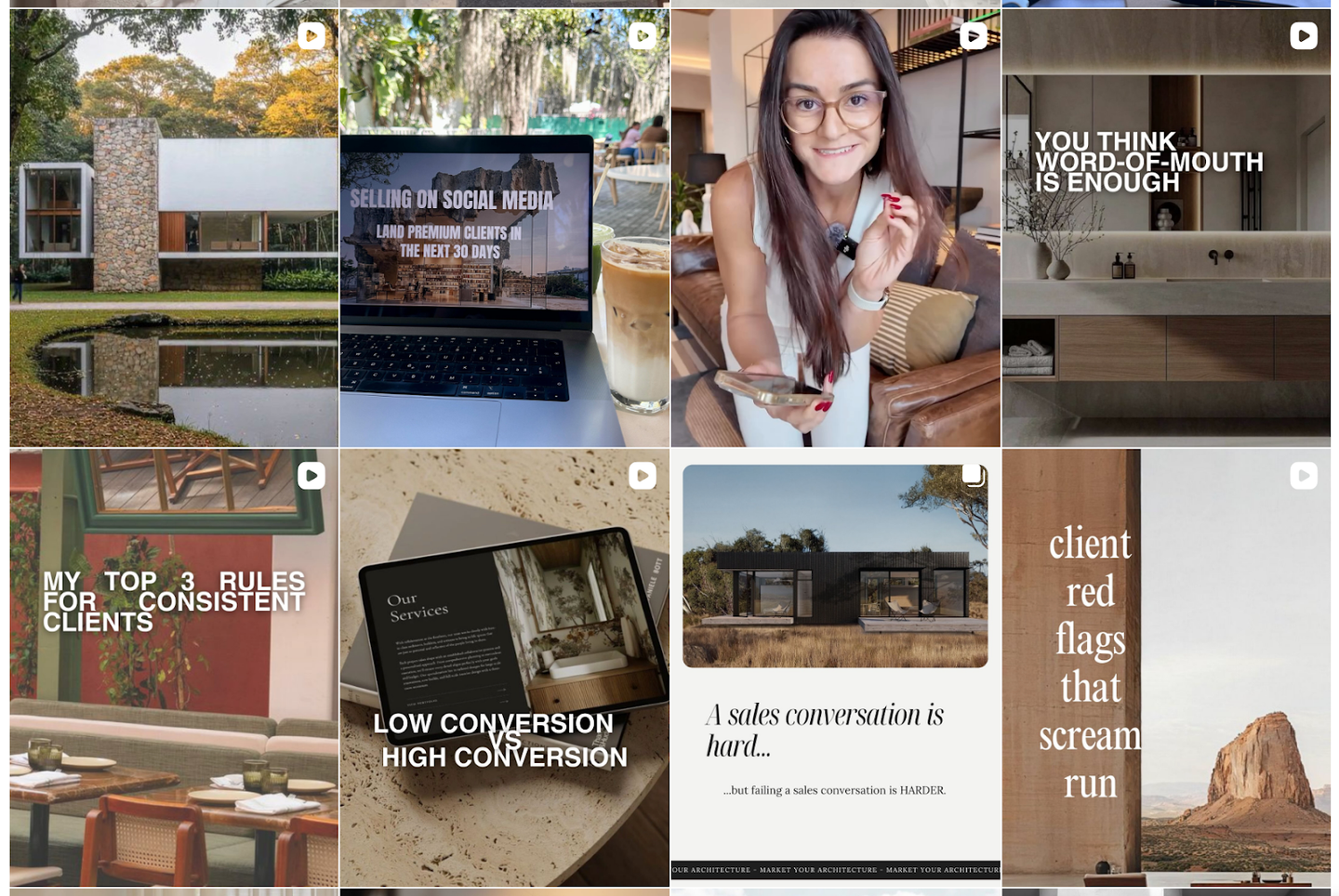
The key here is to create a diverse array of content, suited to what you’re wanting to depict.
It could be informative.
Perhaps you could speak directly to a camera.
Other times, videos showing the dimensions of a space with music in the background are better.
There’s no one-size-fits-all approach here, but trying out different techniques means you can see what’s landing while appealing to an array of clients.
Start there.
Transformer Apartments: Marketing Flexibility
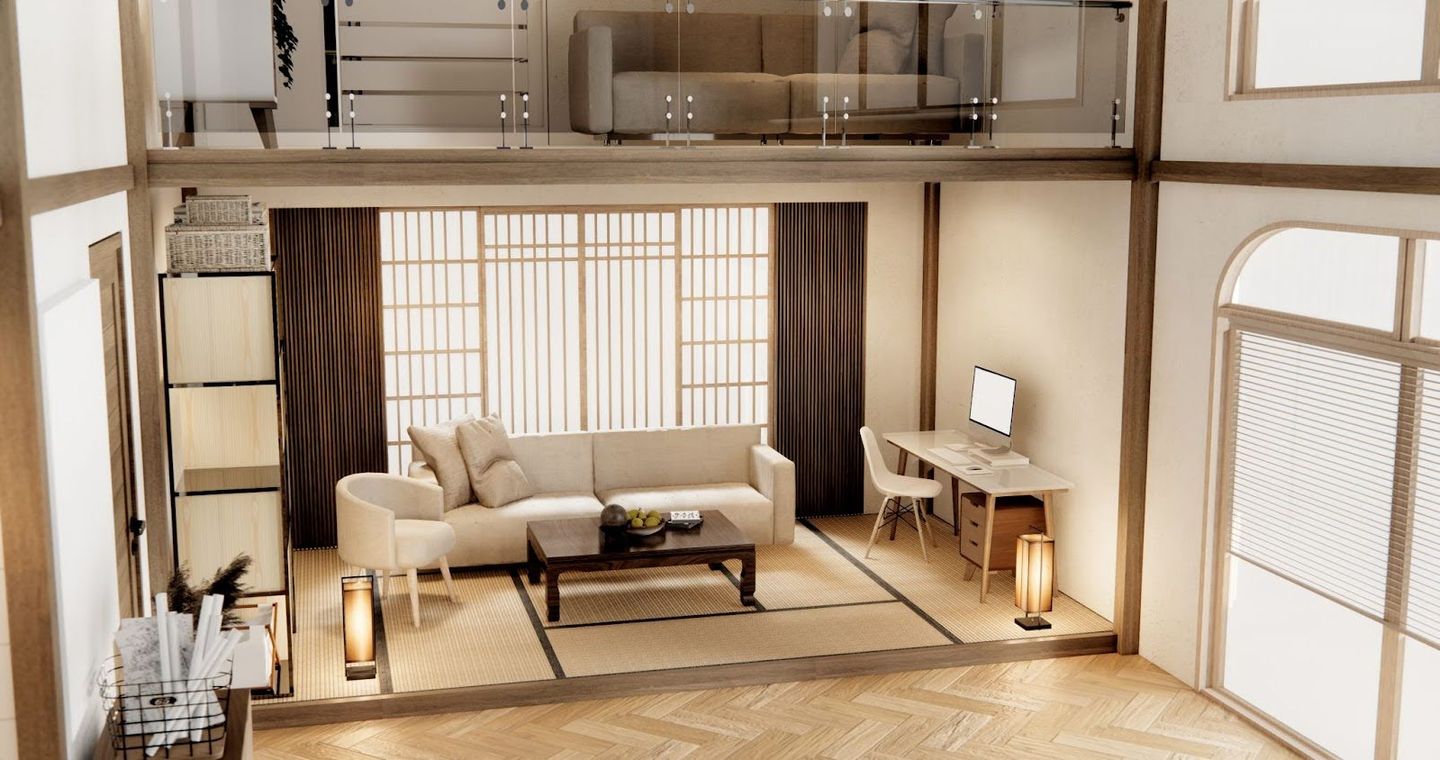
Japanese transformer apartments where walls vanish and rooms multiply are another peak innovative housing solution.
Research from the Urban Land Institute shows that adaptable design in urban spaces increases functionality and value.
So, how might we market an adaptable space like this one?
Demonstration, not description.
That’s our approach.
Digital marketing strategies for something so dynamic requires giving clients a true sense of what’s possible:
- Before/after room transformations
- Day-in-the-life video tours
- Interactive floor plans showing possibilities
Show how every evening, you can compose your entire apartment.
3D-Printed Homes: From Code to Campaign
ICON's 3D-printed homes have revolutionized construction, with projects ranging from affordable housing to market-rate communities.
They're built rapidly and efficiently.
Revolutionary? Yes.
Marketable? Of course, but the success of that marketing will depend on how you do it.
We've found success positioning these innovative housing solutions as customization opportunities, not just cost savings.
Our architecture marketing strategies emphasize design freedom: impossible curves, integrated furniture, personalized everything.
Marketing must address the elephant in the room as well.
Do robot-built homes feel human or far too sterile?
The answer will lie with the families living in them, who experience them every day.
As the world turns ever more digital, keeping the human element intact will help your marketing stay accessible, rooted, and familiar.
You’re still creating spaces that feel like home after all, right?
Container Architecture: Storytelling in Steel
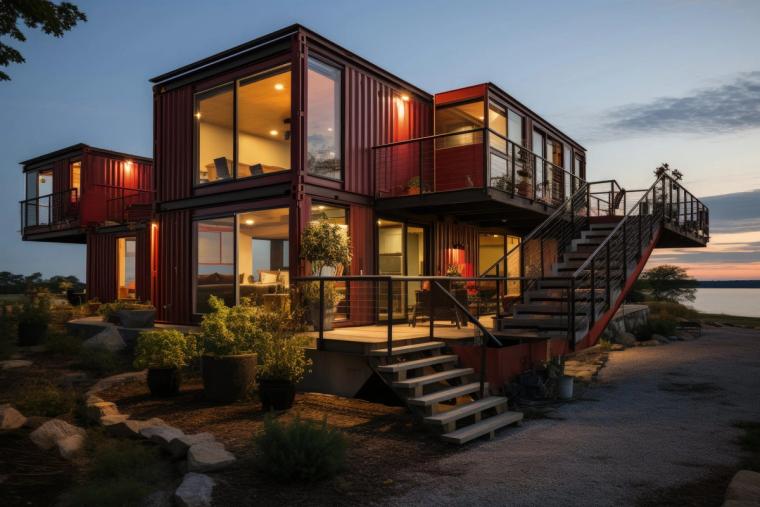
Shipping container homes can significantly reduce construction waste and repurpose existing materials.
But sustainability statistics don't sell homes. Stories do.
When creating marketing services for architects specializing in container architecture, we focus on journey.
These boxes crossed oceans.
They carry salt air and stories.
Now, they're home.
Here are a few quick tips for container home marketing:
- Map the container's shipping history
- Create "before" content showing industrial origins
- Document the transformation process if you can
- Feature multi-generational container communities
Biophilic Design: Marketing Living Architecture
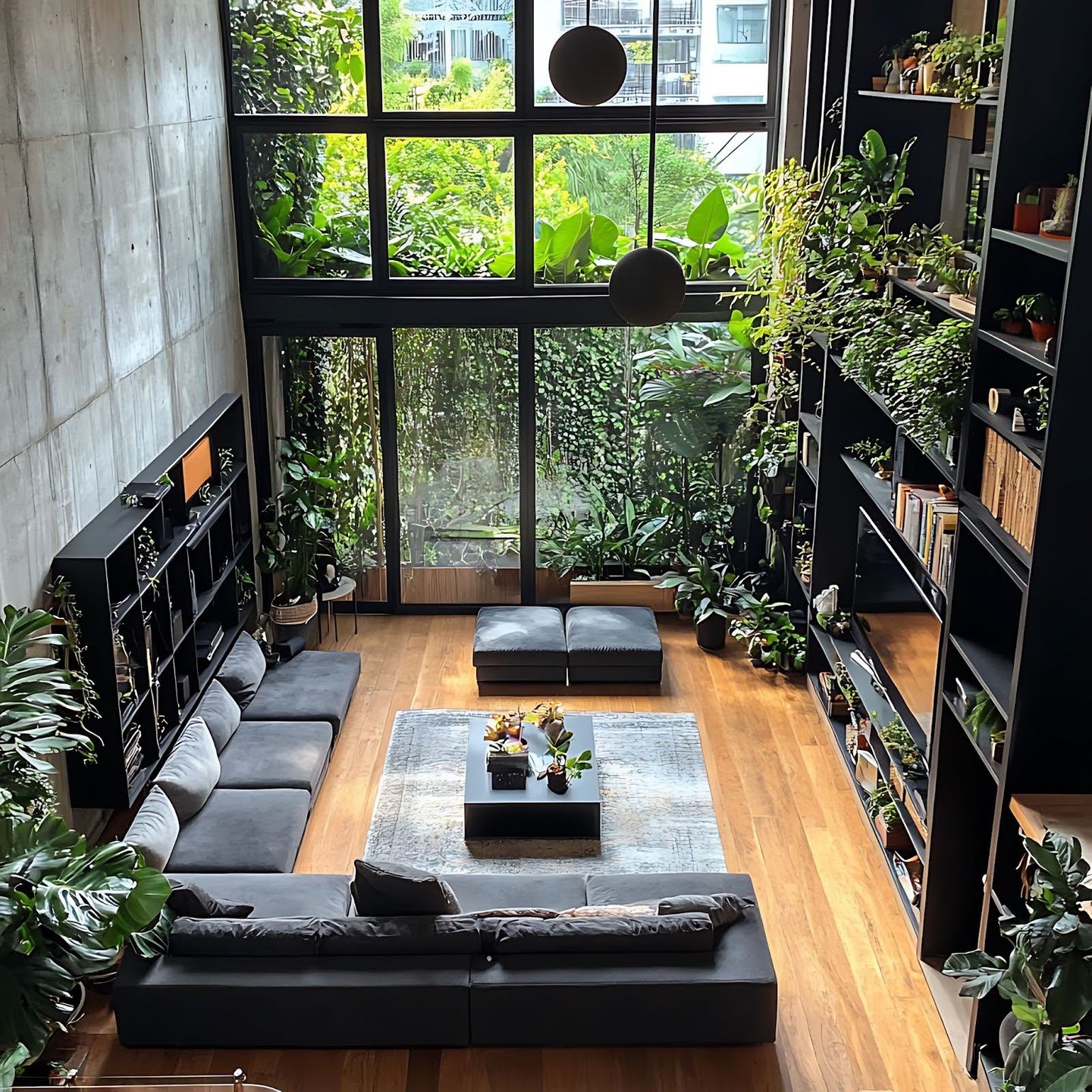
True biophilic innovative housing solutions go beyond houseplants.
Terrapin Bright Green has identified a full 14 patterns that measurably improve wellbeing.
With that in mind, our SEO strategies for architects targeting biophilic design emphasize sensory experience over technical features.
Don't say "integrated plant walls,” for example.
Instead, say, "walls that breathe life into a space."
That’s just an example, but don’t hesitate to be poetic in the language that fits your brand perfectly.
Note how in summer, the ivy ceiling cools naturally.
Perhaps you can share about how winter’s vines shed leaves to let the sun through.
This sort of imagery, which can bring clients into the full experience, will almost always beat any specification sheet.
Marketing the Unconventional
Marketing unconventional homes is all about leaning into what makes them impossible to ignore.
Instead of trying to fit a quirky property into a traditional real-estate narrative, smart marketers amplify its difference.
And that’s true whether that’s off-grid capability, sculptural architecture, extreme sustainability, or a wildly creative floor plan.
Storytelling is always important, so be sure to highlight the lifestyle the home unlocks, the kind of buyer it speaks to, and the emotional pull of living somewhere genuinely one-of-a-kind.
For example, an earth-sheltered home can be positioned as a haven for eco-driven buyers who value energy efficiency and year-round thermal stability.
A shipping-container build, though, might appeal to design-forward minimalists who prize modularity and compact luxury.
And a converted church or factory can be marketed as a bold artistic statement: a home for people who want volume, character, and history woven into everyday living.
High-quality visuals, immersive video tours, and targeted ads focused on niche lifestyle groups help these unconventional properties stand out in a crowded market and find the buyers who genuinely “get” them.
The Digital-First Approach to Radical Architecture
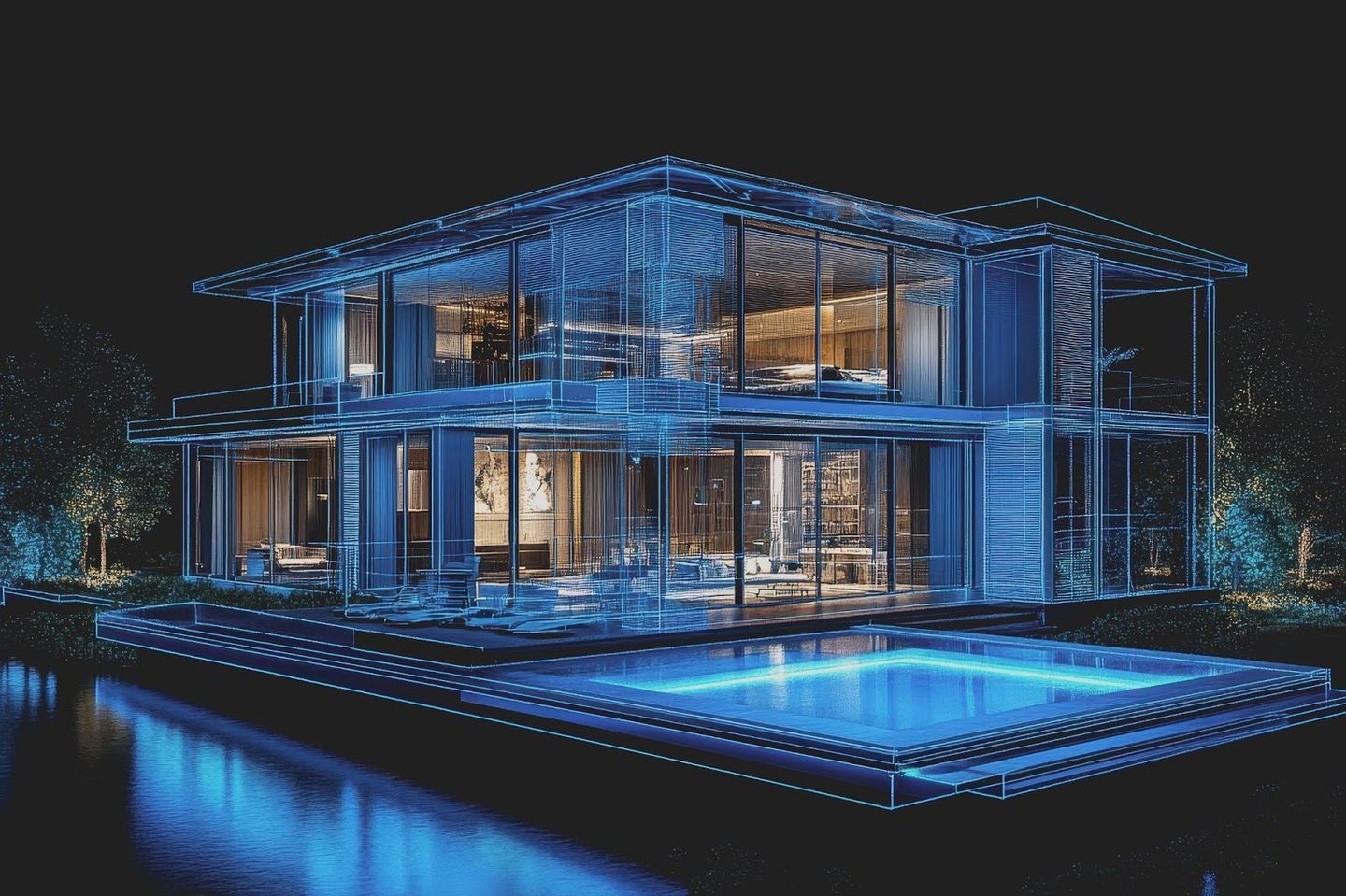
Marketing innovative housing solutions demands digital excellence.
Here's what we’ve learned works:
- Virtual Reality Tours: Let clients experience transformer spaces
- Augmented Reality Apps: Show floating homes at different tide levels
- Instagram Time-lapses: Document 3D printing in action
- YouTube Series: Follow families adapting to alternative living
- Pinterest Boards: Curate lifestyle imagery, not just architecture
According to Houzz's industry research, the vast majority of homeowners use online resources during planning.
We’ve said it before, and we’ll say it again:
Your digital presence isn't optional these days.
Measuring Success in Alternative Housing Markets
Traditional metrics don't capture innovative housing solutions marketing effectiveness.
That’s why, instead, we track:
- Engagement depth (time spent exploring)
- Share rates (viral potential)
- Inquiry quality (serious vs. curious)
- Media coverage (earned impressions)
Comprehensive digital strategies are always the best approach.
They’ll land you with significantly more qualified leads and better conversion rates.
Plus, you have a bunch of dynamic ways to tell your story in the way that suits your firm, your aesthetic, and your approach best.
Your Next Move
Innovative housing solutions require marketing that matches their ambition.
Beyond the basics, you’re also trying to show your clients what possibilities lie in store.
At Market Your Architecture, we've helped dozens of firms translate radical design into market success.
Whether you're printing homes, floating neighborhoods, or growing living walls, we understand that tomorrow's architecture needs today's most sophisticated marketing strategies.
Ready to market the future?
Book a call or explore our comprehensive services and discover how we transform visionary architecture into market leadership.
You can also check out some of our resources for more information.