Last spring, we stood in a warehouse watching custom manufactured homes take shape.
Sunlight filtered through steel frames that would soon become someone’s personal space.
It’s quite a thing to witness this sort of construction.
Each beam and panel arrives exactly where it needs to be.
So, what’s the draw?
Let’s break it down.
The Revolution Happening Off-Site
Custom manufactured homes are evidence of what’s been quite a fundamental shift, over the last decade or so, in how we think about residential architecture.
Today's manufactured homes embrace individuality.
They wield the power of controlled environments and precision engineering.
And the numbers tell a compelling story.
Construction waste drops by up to 90% in factory settings.
Build times shrink from months to weeks.
Weather delays vanish.
Quality control happens at every step, rather than waiting for final inspection.
Clearly, there’s a lot to love.
Breaking Down the Myths
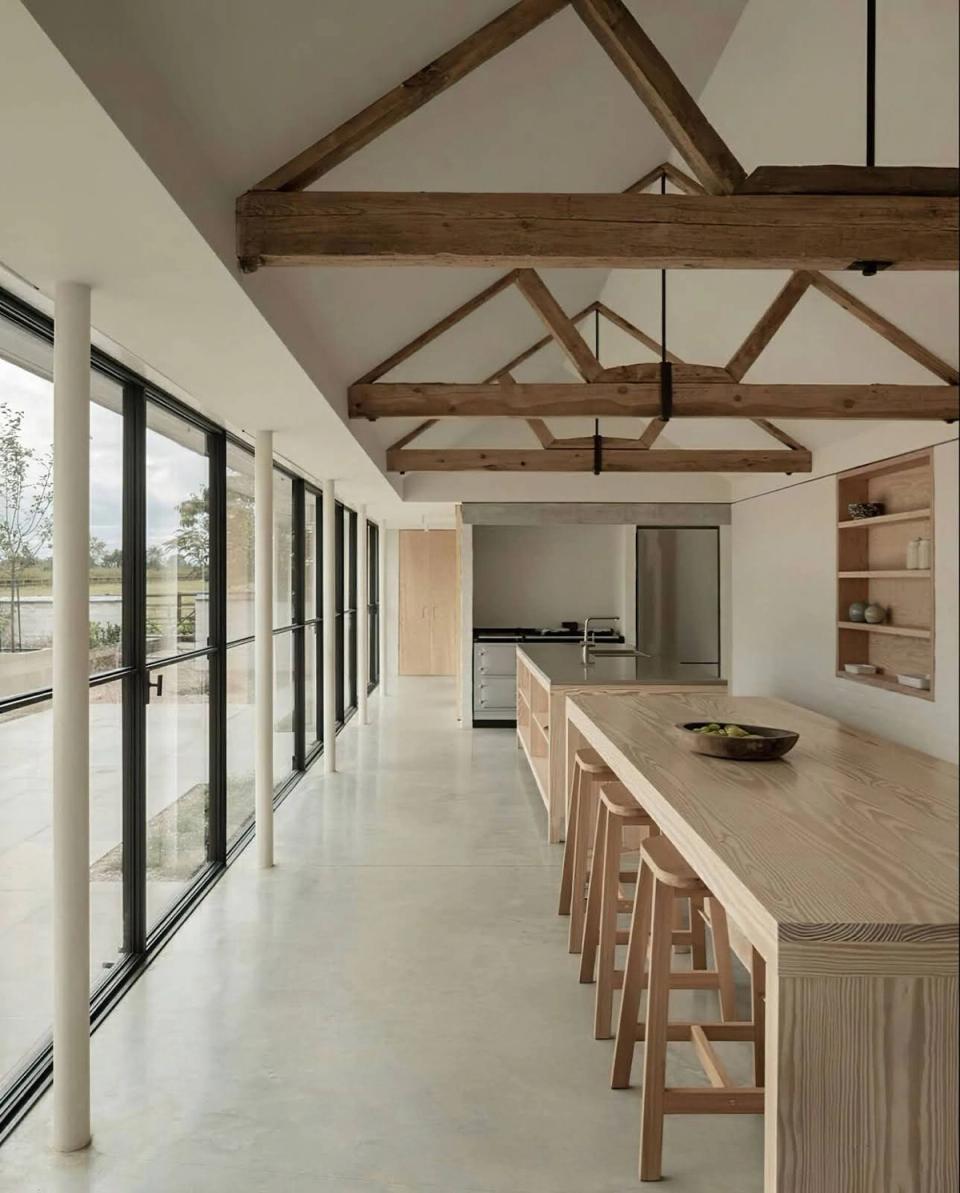
Many people tend to conflate custom-manufactured homes with mobile homes.
If not fully, they at least assume they look identical.
But that’s not the reality.
Modern custom manufactured homes embody everything from minimalist Scandinavian aesthetics to sprawling ranch designs.
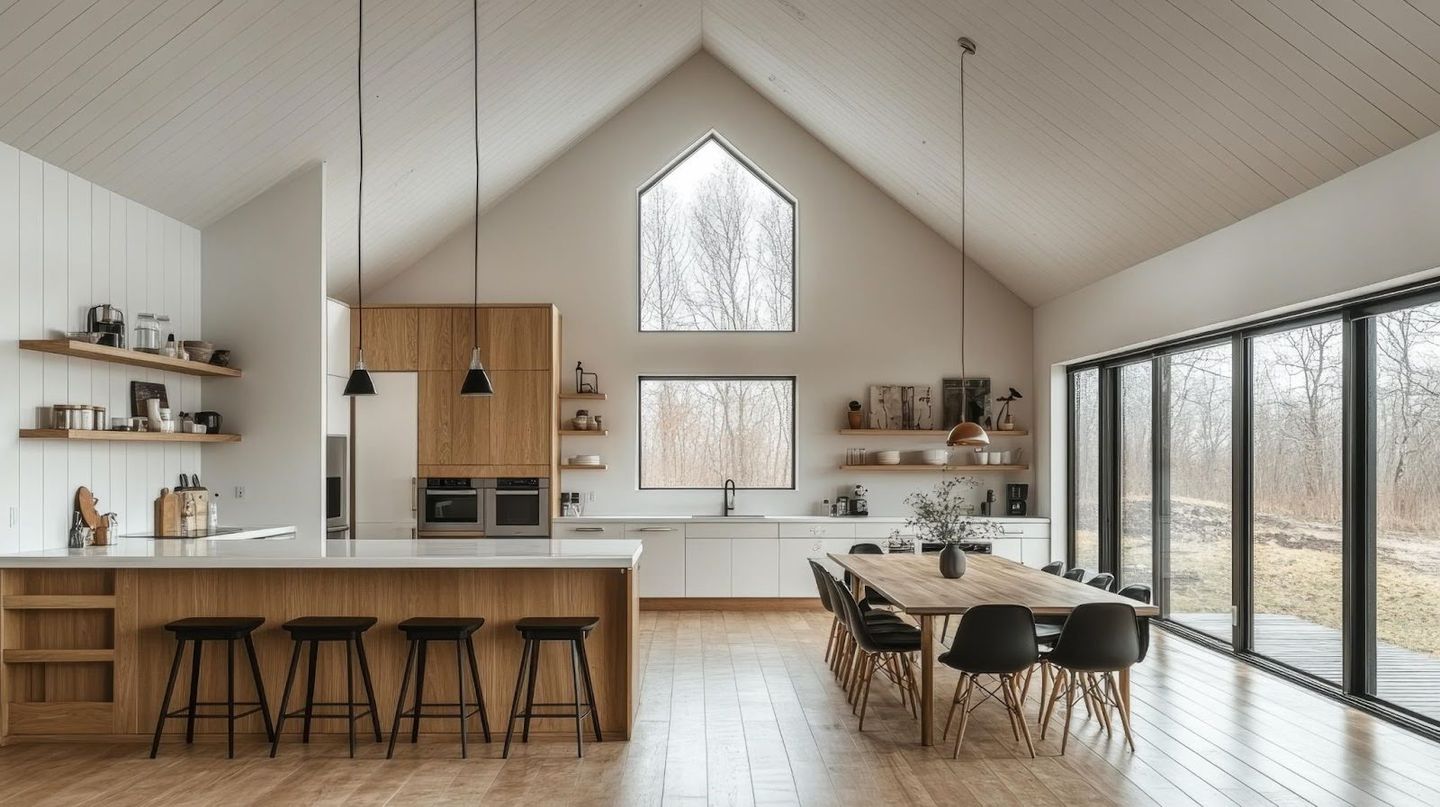
Recent projects have incorporated vaulted ceilings with exposed timber beams, floor-to-ceiling windows framing mountain vistas, and millwork that rivals boutique furniture.
Smart home systems integrate from day one.
Materials come from sustainable forests certified by the FSC and recycled steel.
And the constraints of manufacturing often spark creativity.
When you know exactly how much space you have on a truck bed, you start thinking differently about proportion and modularity.
Working with architects who understand both traditional marketing approaches and modern construction methods makes all the difference.
The Environmental Part of the Equation
Walking through forests in the Pacific Northwest, you develop a visceral understanding of what we stand to lose.
The moss-covered Douglas firs, the sound of water moving over stones, morning fog sitting in valleys.
And these experiences shape how we approach building.
Custom manufactured homes offer a path toward lighter footprints on the land.
Factory production reduces material waste significantly, with scraps recycled immediately rather than hauled to landfills.
The controlled environment means better insulation installation and tighter building envelopes.
Studies show manufactured homes can exceed site-built energy efficiency by 20%.
Plus, transportation becomes part of the calculation.
Instead of hundreds of truck deliveries to a job site over months, custom manufactured homes typically require just a handful of trips.
The Design Process Reimagined
Designing for manufacture changes the creative process in unexpected ways.
You're thinking about how a home travels, how it assembles.
You’re thinking about how each module maintains structural integrity while contributing to the whole.
Clear communication between architects, manufacturers, and clients from day one will take the whole project so much further.
The old linear progression - architect designs, contractor builds, client hopes - dissolves into something more collaborative.
And truly, if there’s one thing we’ve been learning, it’s that the process requires collaboration.
It’s not really negotiable.
Virtual reality walkthroughs happen before the first piece of steel gets cut.
Changes that would cost tens of thousands on-site become simple adjustments in CAD files.
The gap between vision and reality narrows considerably.
As a marketing agency specialized in working with architects, we've found that content marketing for architects helps communicate these complex processes to homeowners who might otherwise feel overwhelmed by the technical details.
Cost Transparency in Cloudy Markets
Custom manufactured homes provide cost certainty in an industry notorious for overruns.
Construction costs have increased dramatically since 2020, driven by material volatility and labor shortages.
And manufactured homes lock in pricing early.
The factory knows exactly how much steel, wood, and labor each design requires.
And it’s this sort of predictability that transforms project planning.
Instead of contingency funds eating up large portions of budgets, homeowners invest that money in solar panels, better windows, or architectural details they've been dreaming about.
The Human Element
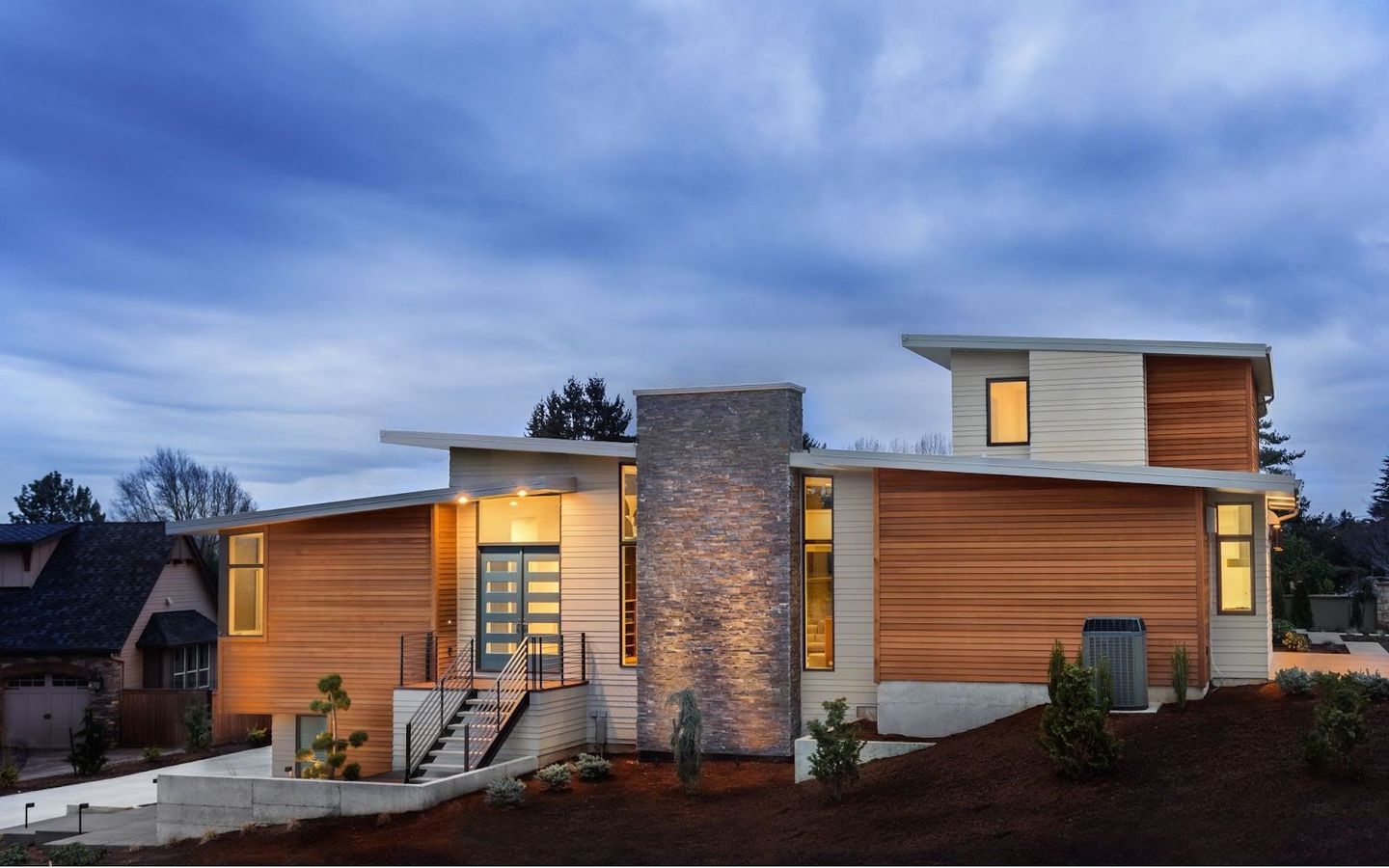
These homes work best when they really do honor how people really and truly live.
Not too long ago, an acquaintance and I were discussing a homeowner who wanted a home that could grow with her family.
Working with manufacturers, the architect I was speaking to had explored modules that could be added over time - a guest suite when parents need care, a studio when creative space becomes essential.
The manufacturing process made this flexibility possible.
Each module maintained its own structural system.
Mechanical connections were designed for future expansion.
The home breathes and adapts rather than constraining its inhabitants.
Through our work in marketing luxury shipping container homes, we've seen similar principles applied to different modular systems.
The key lies in understanding how people want to live, not just where.
Quality Through Repetition
There's wisdom in repetition.
A framing crew that builds the same wall system hundreds of times develops an intuitive understanding of perfection.
Factory workers catch issues that might slip past crews juggling multiple tasks on muddy job sites.
The HUD code requires numerous quality checkpoints for manufactured homes.
Thermal imaging catches insulation gaps, while pressure testing ensures airtight construction.
Water testing happens before homes leave the factory, preventing damage that might otherwise appear months later.
This systematic approach to quality has helped modern custom manufactured homes achieve lifespans comparable to traditional construction, with warranties that often match or exceed site-built alternatives.
Navigating Zoning and Perception
Of course, the path toward custom manufactured homes is not without its obstacles - and anyone who tells you otherwise should be considered at least a little bit suspicious.
Zoning laws written decades ago sometimes treat all manufactured homes as temporary structures.
Change happens through education and examples.
When neighbors see a beautifully designed manufactured home appreciate in value, barriers start falling.
Progressive cities are updating codes to recognize manufactured homes as permanent dwellings.
The work involves patience, persistence, and documenting completed projects that challenge preconceptions.
Our experience with digital marketing for architecture firms has shown how powerful visual storytelling can shift public perception.
Technology Driving Innovation
Digital fabrication tools have revolutionized possibilities in custom manufactured homes.
CNC routers cut complex joints with sub-millimeter precision.
Advanced manufacturing techniques are reshaping the construction industry, from robotic welding to 3D printing experiments.
Manufacturers now work with cross-laminated timber panels that sequester carbon.
Phase-change materials regulate temperature passively.
New building-integrated photovoltaics look like traditional roofing while generating power.
All in all, the gap between cutting-edge architecture and custom manufactured homes continues to narrow.
Site Integration Matters
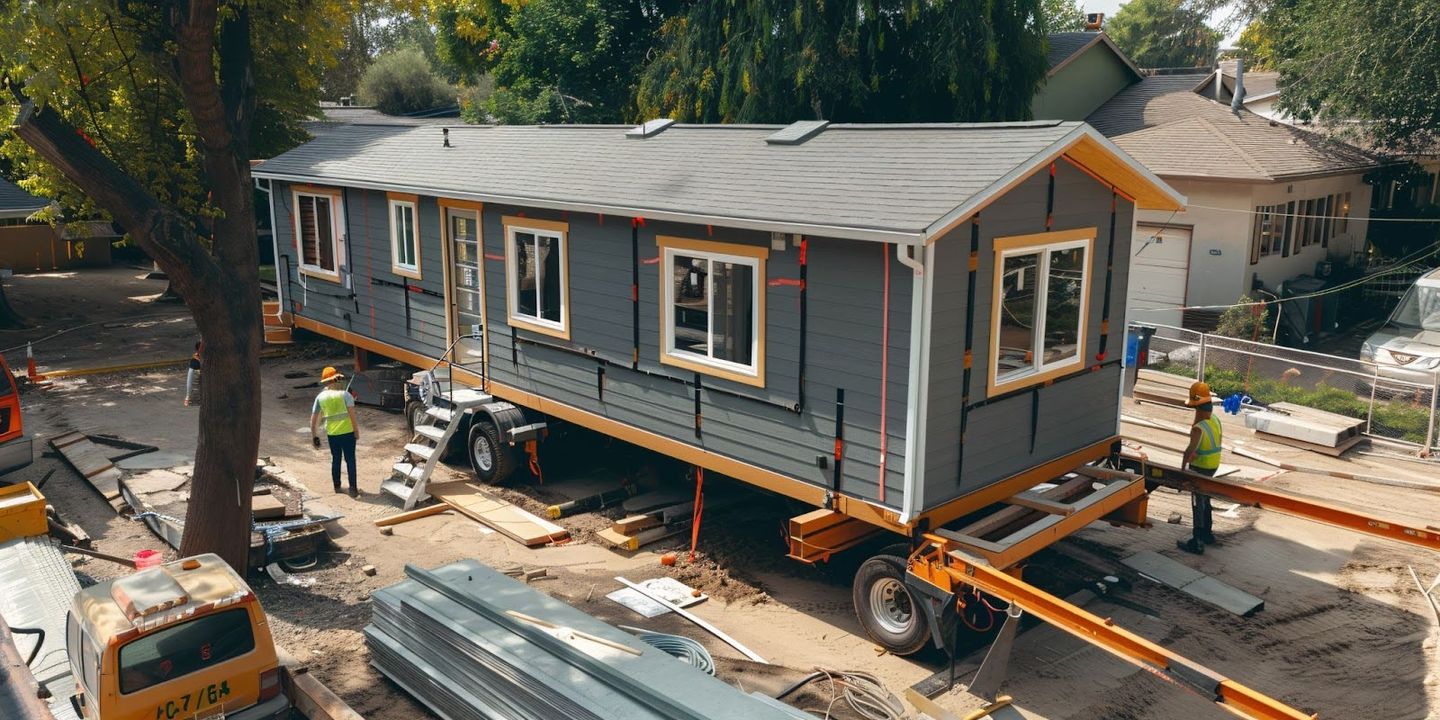
A manufactured home's relationship with its site can make or break the project.
While the home arrives complete, its conversation with the landscape has just begun.
Foundation systems now accommodate slopes that once required extensive grading.
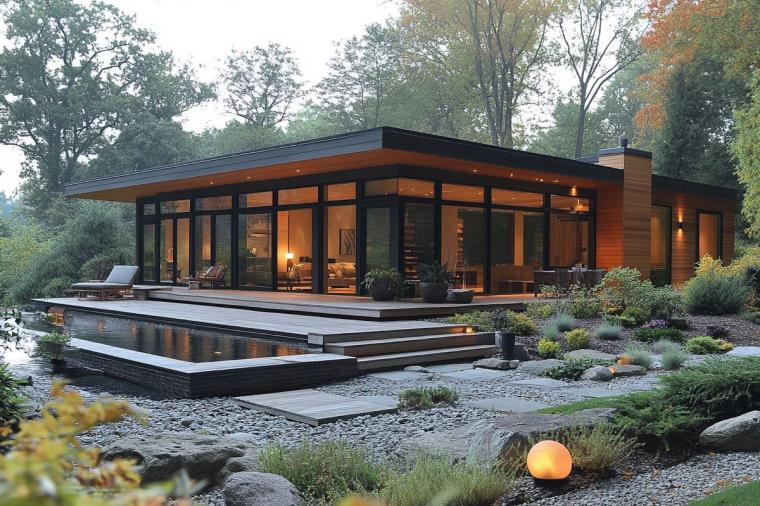
Decks and porches blur the line between manufactured and site-built elements.
Landscaping extends the home's geometry into gardens and gathering spaces.
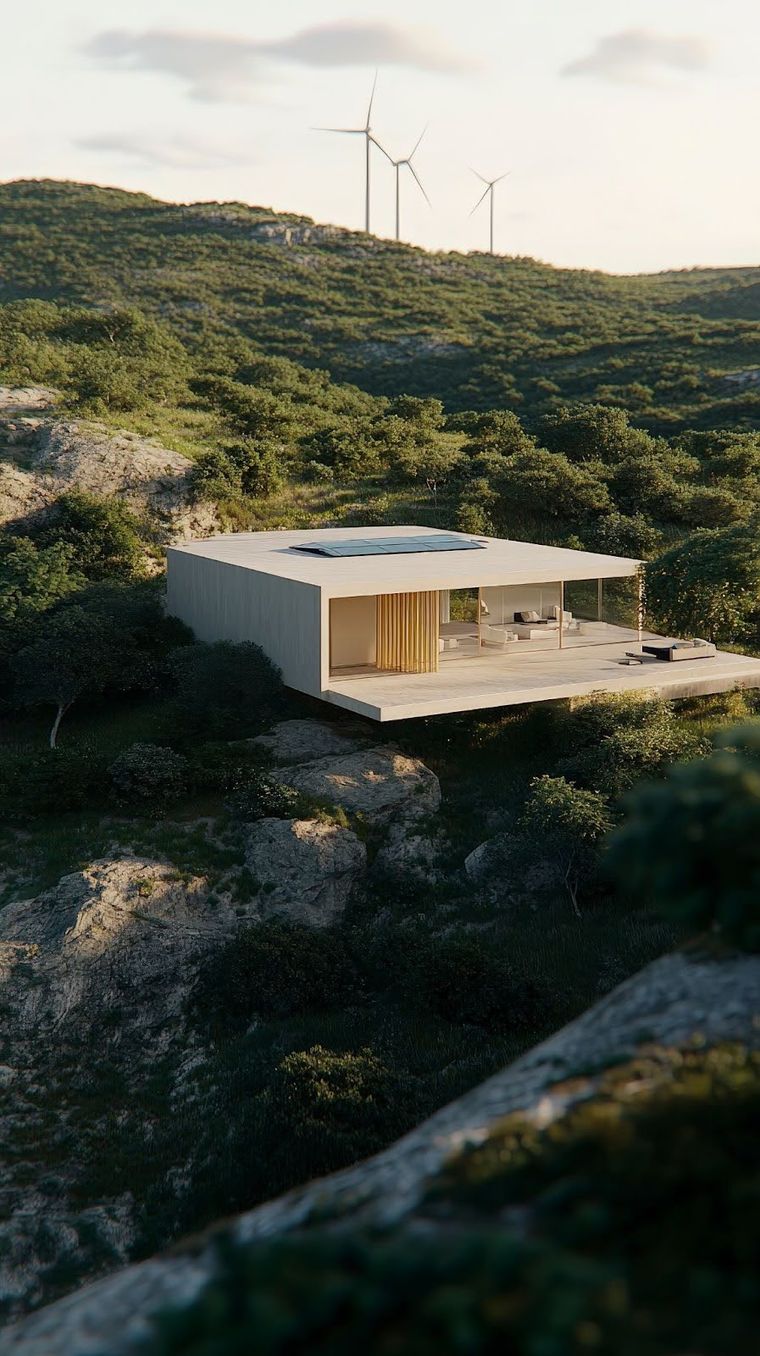
Some projects barely reveal their manufactured origins.
They nestle into hillsides, frame views, create courtyards.
And that’s all while maintaining the efficiency of factory construction.
At MYA, experience has shown us that thoughtful site planning makes all the difference between a house that sits on the land and one that belongs there.
Similar principles apply when marketing modern prefab houses.
The structure itself matters, but so does its relationship to place.
The Financial Framework
Beyond initial cost savings, custom manufactured homes offer compelling long-term economics.
Energy bills drop significantly thanks to superior insulation and air sealing.
Maintenance costs decrease when materials are installed without weather exposure during construction.
Insurance companies increasingly recognize these benefits, with some offering reduced premiums for manufactured homes meeting high wind and seismic standards.
The financing landscape continues evolving.
Looking Forward
Standing at the intersection of technology, sustainability, and human need, custom manufactured homes point toward architecture's future.
Climate change demands we build differently.
Labor shortages require new approaches, and the housing affordability crisis calls for innovation.
Custom manufactured homes address all three challenges while creating spaces that enrich daily life.
The conversation has shifted from whether to embrace manufactured construction to how we can push its boundaries further.
Research from MIT suggests manufactured construction could reshape entire housing markets within the next decade.
Understanding how to market architectural services in this evolving landscape means recognizing these shifts early and communicating their value clearly.
Making It Real
The path forward begins with understanding what's possible and what works for you.
That’s true whether you're an architect exploring options for clients or a homeowner dreaming of something different.
The landscape of home construction is changing.
It’s being carved and shaped by those willing to challenge conventions while respecting the fundamental human need for shelter.
We’ve witnessed firsthand how thoughtful design and manufacturing can create homes that feel anything but manufactured.
One architect recently told us their manufactured project "felt more crafted than anything we'd done on-site.”
High praise from someone who'd spent decades perfecting traditional construction.
If you're at all curious about how custom manufactured homes might transform your next project, or if you need help communicating these innovations to your clients, we'd enjoy sharing what we've learned along the way.
After all, the future of architecture is being manufactured today, one precisely crafted module at a time.