
With so many firms out there, how can you get prospective clients to stop and stare when they find yours online?
Enter digital marketing. It’s your secret weapon for getting noticed.
Expensive ads and impersonal brochures are a thing of the past – and we at MYA have a pretty good idea about what works today.
In this article, we’ll dive into powerful digital marketing strategies that showcase your stunning designs, connect you with your ideal clients, and position your firm as a leader in the architectural landscape.
That’s the power of digital marketing for architects – when it’s done right.
Key Takeaways:
- Digital marketing is a game-changer for architecture firms to reach a wider audience and generate leads. Imagine your stunning designs captivating thousands of clients online!
- Creating effective digital marketing strategies hinges on truly understanding your target audience. To stand out from the crowd, you first have to know that crowd like the back of your hand.
- A strong online presence, engaging content, and targeted digital advertising can make a world of difference.

Why Is Digital Marketing for Architects Important?
Digital marketing is a surefire way to establish a robust online presence, driving business growth through targeted strategies such as SEO, lead generation, and content marketing.
What Are the Benefits of Digital Marketing for Architecture Firms?
Digital marketing is a stepping stone on the path to improved lead generation, a more extensive client base, enhanced brand awareness, and a tailored marketing strategy that fits the AEC industry.
With help from search engine optimization, social media platforms, and email marketing campaigns, you can significantly increase website traffic.
A strong digital presence can also help architecture firms catch the attention of potential clients, resulting in higher engagement rates on social media platforms and other online interactions.

Understanding Your Target Audience
Your architecture firm’s messaging needs to resonate with prospective clients. That’s why understanding your target audience is pivotal.
Who Are Your Ideal Clients?
In the architecture sector, your ideal clients are those who align with your firm’s expertise and values.
By segmenting your audience based on demographics and psychographic profiling, you can create tailored marketing messages that dovetail beautifully with your clients’ wants and needs:
- Demographic profiling involves identifying parameters such as age, income level, location, and job title to better target your audience.
- Psychographic profiling delves into understanding their lifestyle, values, interests, and behaviors.
This personalized approach both increases the chances of conversion and fosters long-term relationships with your clients.
What Are Their Needs and Pain Points?
Identifying the needs and pain points of your client base through online research is one of the only ways to ensure your marketing strategy addresses their unique challenges and desires.
Consider things like project deadlines, budget constraints, and design preferences.
Understand how these impact your clients, and watch your client satisfaction and impact project success soar. You’ll be creating spaces that truly resonate with their vision and lifestyle.

How Do They Use Digital Media?
Diving into the digital media usage patterns of your target audience can provide valuable insights into which platforms are most frequented by potential clients.
Perhaps you discover that your audience is highly engaged on Instagram, using it as a source of inspiration for their architectural projects. This knowledge can guide your content creation efforts, prompting you to share more visually appealing and design-focused posts on Instagram.
If, on the other hand, you find that your clients often turn to LinkedIn for professional networking within the industry, you might adjust your engagement tactics to include more industry-related articles and thought leadership pieces.
By tailoring your social media approach to the specific preferences and habits of your audience, you can ensure that your content resonates with them. Increased visibility and brand recognition are sure to follow.
How to Create Your Digital Marketing Plan in the Architecture Industry
To establish your firm in the competitive digital marketing world, digital marketing in the architecture industry is essential.
To create a solid digital marketing strategy, focus on content marketing for architects and use search engine marketing to drive traffic to your website.
And don’t shy away from social media marketing to grow your architecture firm and position yourself as a thought leader in design trends.
By creating quality content and sharing social media posts, you can increase visibility and attract prospects to your firm. You could even use Google Analytics to track the success of your digital strategy.

Creating a Strong Online Presence Using Digital Marketing Strategies
This involves a combination of website optimization, SEO, and consistent efforts to enhance brand awareness – all of which are vital to maintaining high online visibility for your architecture firm.
Building a Professional Website
Building a professional website is the mainspring of your digital marketing efforts, and it starts with proper website optimization and establishing a strong SEO foundation.
A user-friendly design is not something to skimp on. You’ll want to ensure that visitors can easily navigate through your site, find valuable information, and engage with your content effectively.
Pages should have fast loading times to prevent customers from turning away out of impatience.
What’s more, mobile responsiveness is no longer an option – it’s a necessity. That’s because a profound portion of internet users access websites through their smartphones and tablets.
Optionally, the expertise of a skilled digital marketing agency can come to your aid by optimizing your website for performance and user experience.
Optimizing Your Website for Search Engines
Optimizing your website means tailoring your content to be easily discoverable by search engine bots, thereby improving your site’s ranking and visibility.
If that sounds like a handful, don’t worry. Two simple steps can change the game.
- By strategically incorporating keywords into your website content, meta tags, and headings, you can signal what your site is about and increase the likelihood of ranking for those specific terms.
- Similarly, optimizing meta tags (title tags, meta descriptions, and alt tags) for images can provide valuable information to bots about the content and relevance of your web pages.
When these tags align with your target keywords and accurately describe your page content, search engines can better index and display your site in search results.

Using Social Media Platforms
Getting the word out there via LinkedIn, Instagram, and Twitter is an indispensable strategy that can powerfully engage your audience.
Each platform has its benefits:
- LinkedIn is ideal for showcasing your firm’s expertise through thought leadership posts and industry insights.
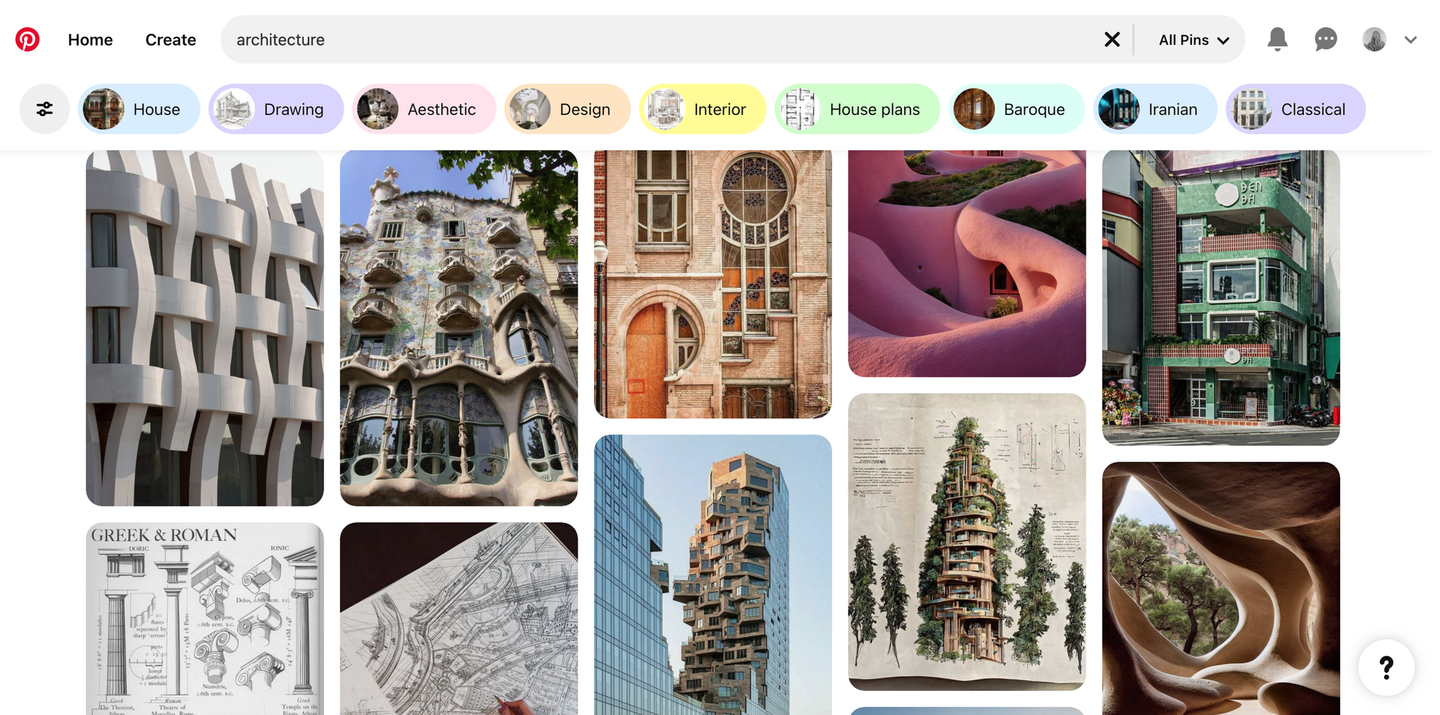
- Instagram has a highly visual nature, allowing you to display your architectural projects in an especially visually appealing way. You may wish to test out Instagram Stories and Reels by providing behind-the-scenes glimpses of your firm’s creative process.
- Twitter, a platform for real-time updates and conversations, can be used to engage with your audience through relevant hashtags, retweets of industry news, and direct interactions with followers.
When posting content, just be sure to maintain a consistent branding and tone across all platforms. Doing so will strengthen your firm’s identity and message, as will interacting with your audience by responding to comments, messages, and mentions promptly.
It also never hurts to track engagement metrics (likes, shares, comments, and follower growth) to analyze your social media performance. From there, you can refine your content strategy and optimize your engagement tactics for better results.
Creating Engaging Content
Blog posts, videos, and social media updates are especially engaging, and they hold the key to sustaining brand awareness and attracting a wider audience to your work.
There’s nothing more important here than consistency. A captivated audience will need to be fed a steady stream of valuable information and updates if their attention is to stay put.
Consider how each platform allows you to showcase your expertise differently:
- Blogs allow you to share detailed insights.
- Videos can bring projects to life in a dynamic, captivating way.
- Social media updates are quicker, bite-sized ways to stay connected.
Aim for a balance between these different formats to communicate your brand’s story from multiple dimensions while appealing to a wider range of clients.

Using Digital Advertising to Reach Your Target Audience
PPC campaigns and A/B testing are excellent methods of reaching your target audience and driving lead generation.
Google Ads
Google Ads afford architects the unique ability to run targeted PPC campaigns that palpably contribute to business growth.
Setting up Google Ads involves a few key steps to get the most out of your campaigns:
- First, you’ll need to conduct thorough keyword research to identify what your potential clients are already searching for.
- Once you have your list in hand, the next step is to create compelling ad copies that resonate with your audience and drive them to take action.
- It’s crucial to then set a budget that aligns with your goals and regularly monitor and adjust it to maximize your ROI.
- Finally, tracking the performance of your ads is an enlightening experience, helping you pinpoint what works best to optimize your campaigns for better results.
Social Media Advertising for Architecture Firms
One of the key advantages of social media is the precise targeting options available.
Through advanced analytics and user data, these platforms enable firms to tailor their ads to reach audiences based on specific criteria such as location, age, interests, and behavior.
What’s more, social media platforms offer engaging ad formats, from carousel ads to video ads, which can hook an audience’s attention and drive higher conversion rates.
Email Marketing for Architectural Firms
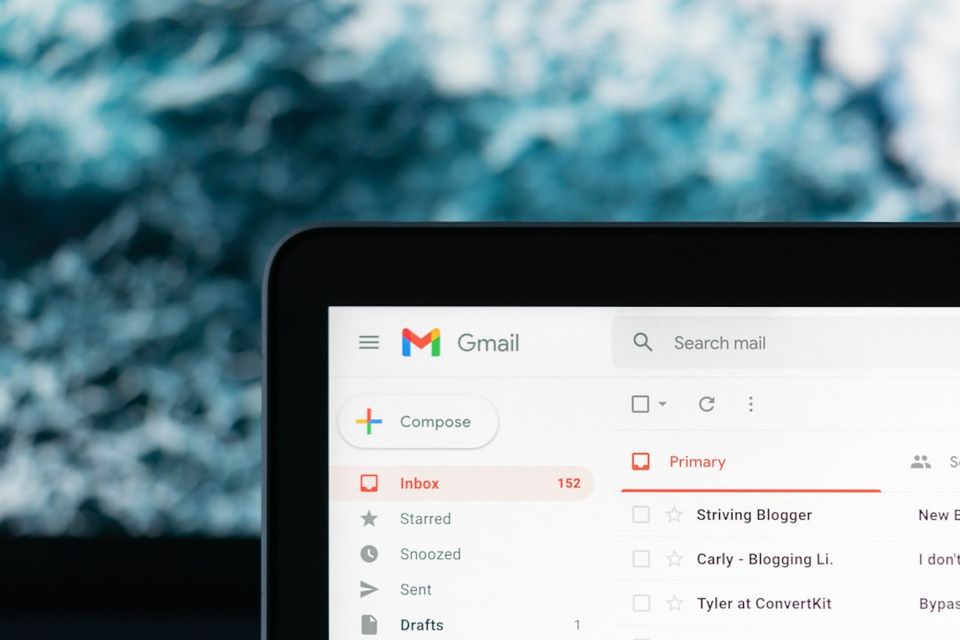
Email marketing is undoubtedly valuable to almost any architectural firm.
Many architecture firms are freshly realizing the importance of digital marketing compared to traditional marketing methods like Google Ads – and using email marketing can help architects increase their online presence.
With email marketing, architects can create content that is sharply focused and targeted towards their audience, helping to establish the architecture firm as a thought leader in the world of digital marketing.
To get the best results, architecture firms should aim to use social media marketing and other digital marketing strategies alongside email marketing.
SEO for Architecture Websites
For those architects among you wishing to grow your business, getting a good grasp of SEO for architecture websites will take you far.
Digital marketing strategies for architects can help architect marketing experts reach more clients online.
A lead generation strategy that aligns with the architecture firm’s marketing needs is important for architects to showcase their best work and highlight their sustainable design process.
Architects can generate more leads by implementing a strategic marketing plan. After all, marketing doesn’t solely rely on word-of-mouth referrals.
Additionally, offering valuable resources such as an e-book or guide can help architects attract and retain clients in a way that’s a little off the beaten track.

Measuring and Analyzing Your Digital Marketing Efforts
Measurements and analyses are essential for understanding the effectiveness of your digital marketing efforts and making data-driven decisions.
Your toolkit should contain online marketing methods, Google reviews, and a robust CRM system.
Key Metrics to Track
Lead funnel progression, client lifecycle stages, and SEO performance all provide insights into the success of your digital marketing campaigns.
- Lead funnel progression refers to the journey a potential customer takes from being aware of your brand to making a purchase. Key metrics include conversion rates and time to conversion.
- Client lifecycle stages indicate where customers are in their relationship with your business, including metrics like customer acquisition cost, customer retention rate, and customer lifetime value. Analyzing these metrics can help you tailor your marketing strategies to improve customer loyalty and retention.
- SEO performance measures how well your website ranks on search engine results pages for relevant keywords, with metrics like organic traffic, keyword rankings, and bounce rate reflecting the effectiveness of your SEO efforts. These metrics can help you optimize your website for better visibility and engagement.

Tools for Analyzing Your Digital Marketing Performance
Tools like MailChimp and Active Campaign are invaluable for analyzing your digital marketing performance and refining your overall marketing strategy.
By harnessing these tools effectively, you can track the success of your campaigns in real-time, identify areas for improvement, and augment your future marketing efforts for better results.
The following platforms offer a range of features that help you streamline your email campaigns:
- Email campaign management tools allow you to create, schedule, and send targeted emails to your audience easily.
- Automation features enable you to set up workflows and trigger actions based on user behavior, saving you time and effort.
- Analytics tools provide insight into campaign performance, allowing you to track key metrics like open rates, click-through rates, and conversions.
Frequently Asked Questions
What are the essential components of a successful digital marketing strategy for architecture firms?
Digital marketing for architecture firms should include a combination of website optimization, social media presence, content marketing, email marketing, and search engine optimization (SEO).
How can social media be used to market an architecture firm?
Social media is a powerful tool for architecture firms to showcase their projects, engage with potential clients, and establish thought leadership in the industry. It can also be used to drive website traffic and increase brand awareness.
Why is content marketing important for architecture firms’ digital marketing efforts?
Content marketing allows architecture firms to demonstrate their expertise, showcase their unique design approach, and provide valuable information to potential clients. It can also improve SEO and drive traffic to the firm’s website.
Is email marketing still relevant for architecture firms?
Yes, email marketing is still a valuable tool for architecture firms to communicate with potential and current clients. It’s a great method with which to share project updates, promote services, and nurture leads.
How can search engine optimization (SEO) benefit an architecture firm’s digital marketing strategy?
SEO can help architecture firms improve their online visibility and increase website traffic. By optimizing website content and using relevant keywords, the firm can rank higher on search engine results pages and attract more potential clients.
Why is it important for architecture firms to have a mobile-friendly website?
In today’s digital age, more and more people are browsing the internet on their mobile devices. Having a mobile-friendly website ensures that the firm’s content is easily accessible and readable, increasing the chances of potential clients engaging with the firm’s services.
What type of content should architects create for their digital marketing efforts?
Architects would be wise to include contact information in their digital marketing efforts, ensuring that potential clients can easily reach out. Additionally, showcasing projects and services, and providing unique insights and expertise on topics related to architecture, can also help attract a more expansive audience.
Creating a marketing plan that aligns with architects includes using social media, blogging, and website optimization to reach a larger audience. Building a strong online presence can help architects connect with clients and showcase their work effectively.
How can architects stay updated with digital marketing trends?
Architects can stay caught up by following industry blogs and subscribing to newsletters from reputable sources like HubSpot, Moz, and MarketingProfs.
Attending webinars, online courses, and workshops focused on digital marketing can provide valuable insights and skills.
Networking with other professionals through platforms like LinkedIn and joining relevant online communities or forums can also help.
Additionally, keeping an eye on competitors and monitoring their strategies can offer practical examples of effective digital marketing practices.