When one thinks of a house on stilts, a beach house usually appears in the mind’s eye, hovering above ocean water.
But that’s just the tip of the iceberg.
Which is why we’re going to explore all that houses on stilts have to offer in this post, from environmental sustainability to disaster resilience.
And of course, as we always do, we’ll also discuss why these houses may suit your clients and how to market them well if you think they would!
Key Takeaways:
- Elevated living offers numerous benefits and unique aesthetic appeal.
- A house on stilts provides protection from natural disasters, improved air circulation, and increased outdoor living space.
- A house on stilts is environmentally friendly, reduces maintenance and repair costs, and has the potential for rental income.
- Given that not too many of your clients may know a great deal about stilted houses, you can get creative and informative with your marketing.
The Concept of Elevated Living
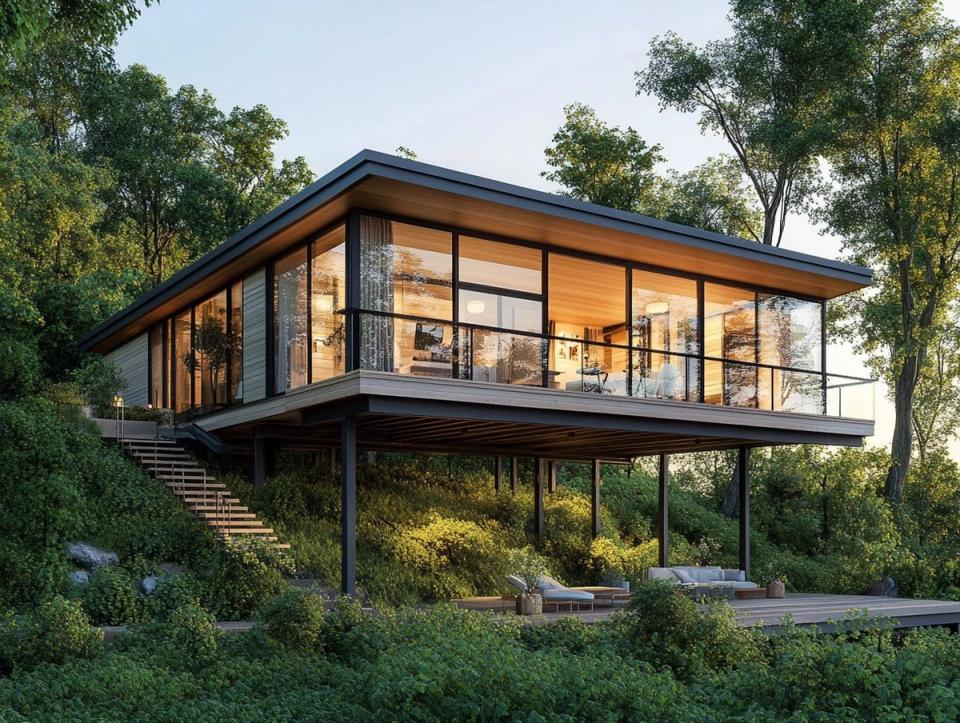
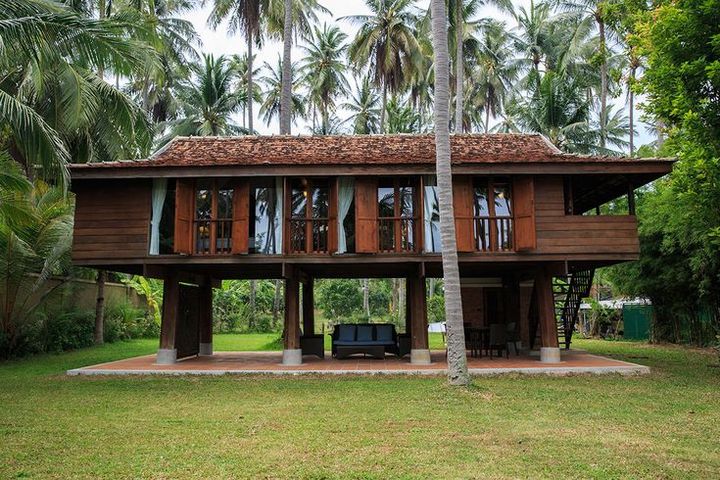
Houses on stilts are exactly what they sound like, built on tall wooden “legs” or thin pillars, of a kind.
Why build a house on stilts?
Well, for one thing, they maximize your chances of seeing breathtaking views—even if a house isn’t positioned in the mountains or at a high elevation.
Perhaps more practically, they also enhance safety in coastal areas that are at risk of natural disasters like flooding and hurricanes.
And many see them as improving aesthetic value of houses—espcially in nature.
Stilts can effectively tackle the challenges presented by environmental conditions, ensuring both structural integrity and safety measures that are essential for homeowners.
This concept is most popular in residential architecture, especially in regions defined by their picturesque landscapes and community resilience.
What is a House on Stilts?
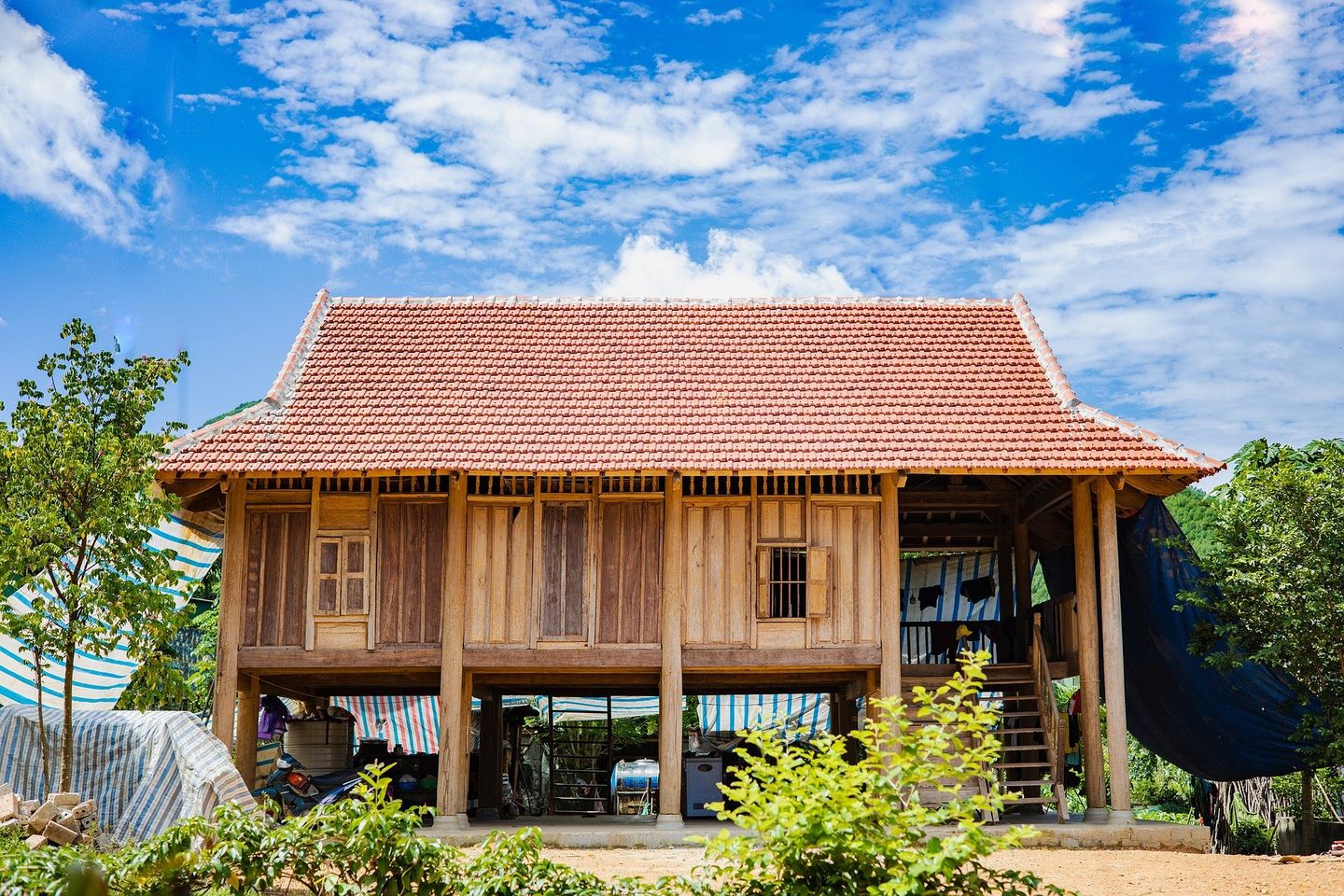
A stilt house is an elevated structure designed to lift the living area above ground level, providing stunning views and safety from natural disasters.
These unique dwellings are often built using materials such as wood or concrete to create a robust foundation capable of withstanding both the elements and the test of time.
Their high elevation offers protection, for one thing.
But it also creates a bright, breezy, and open environment that’s ideal for summer temperatures, given its many ventilation benefits.
Typically, stilt homes are found in coastal regions, in places like the Caribbean, Southeast Asia, and parts of the southern United States, where heavy rainfall and storm surges are commonplace.
They’re also usually constructed with materials like bamboo and steel—critical for durability.
Their design also promotes drainage, preventing water from pooling around the home.
They also provide a resilient solution against pests, as the elevation makes it difficult for insects to access living spaces.
They also reflect the culture and cultural significance of communities that have thrived in harmony with their environment, bringing architectural purpose to the fore.
Why Choose a House on Stilts?
There are many reasons we at MYA love elevated living, beyond the usual benefits.
Clients with environmental awareness will likely be drawn to their sturdy, longlasting materials.
Their aesthetics and visual appeal can be played with in exciting ways as well.
And of course, in coastal regions, they’re ideal for resistance to flooding and hurricanes, as well as better air circulation.
Environmentally Friendly
Stilt houses in Myanmar are a particularly wonderful example of the eco-friendly origins of this architecture.
Elevated living leans into an environmentally conscious approach, largely through their reliance on eco-friendly materials that help reduce the environmental impact of construction.
They also tend to promote energy efficiency, which can be a cost-saving strategy that clients may well be drawn to.
Sustainable construction techniques often significantly lower the carbon footprint, through utility savings during the construction phase.
They’ll align with those interested in reducing resource consumption, effectively lowering construction costs and environmental footprints.
Energy-efficient appliances are also often part and parcel of stilted homes, drastically reducing electricity usage.
When paired with innovations like solar panels and rainwater harvesting systems, elevated living can align well with those oriented toward a greener future.
The ripple effect of such homes encourages communities to adopt sustainable practices, reinforcing the idea that every small effort contributes to the protection of our planet.
Protection from Natural Disasters
One of the key benefits of elevated living is the exceptional protection it offers against natural disasters.
This is especially true in coastal areas that are prone to flooding and hurricanes, as they can ensure home safety and structural integrity, helping inhabitants stay safe and secure.
By raising a home above potential floodwaters, the risk of water damage is much lower.
Following specific building codes that emphasize wind resistance and proper site drainage can further bolster the resilience of a house on stilts.
To enhance these perks even further, you could even incorporate flood vents, which allow water to flow through the foundation, thereby reducing pressure during floods.
Similarly, installing hurricane ties and sheathing can help ensure that roofs and walls are equipped to withstand strong winds.
Improved Air Circulation
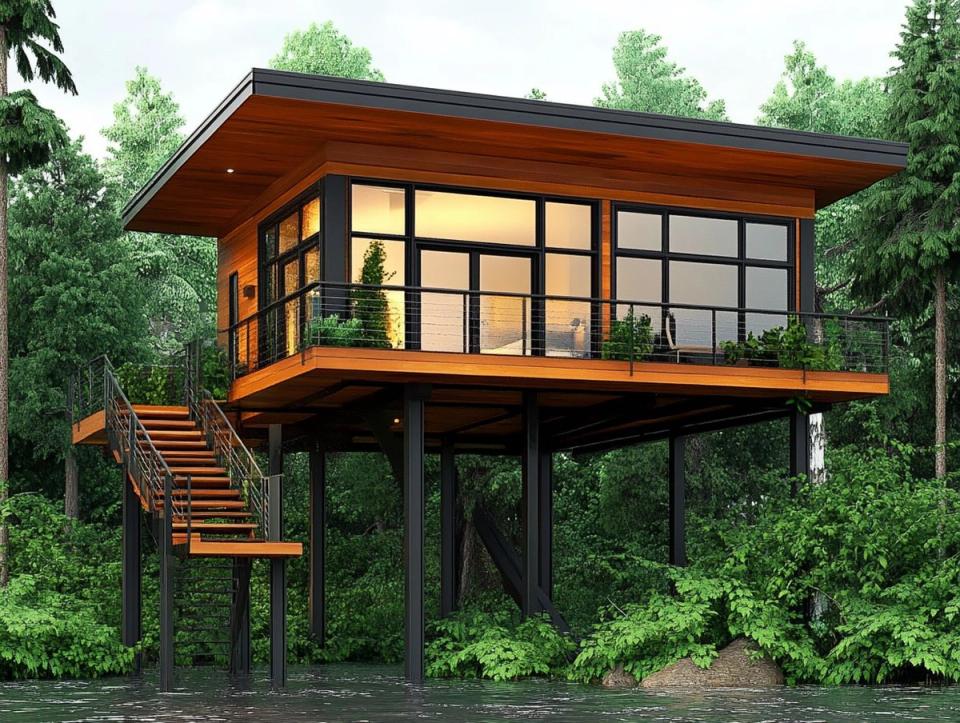
This one is perhaps a little surprising, but when a house is built above ground, air circulation occurs more easily.
Folks in tropical climates will be especially drawn to these ventilation benefits, of course, as they contribute to a comfortable living environment while reducing dependence on artificial cooling systems.
The same goes for arid or warmer climates, such as Zimbabwe, where stilt houses are used to keep in-house temperatures lower.
While this cooling effect is especially advantageous during hot and humid days, it also improves indoor air quality, making fresh air more bountiful.
In many cases, this leads to a healthier living space, helping to minimize humidity levels that can lead to unpleasant odors and mold growth.
On top of these, key advantages of elevated living include:
- Better temperature regulation, reducing the need for air conditioning.
- A decrease in allergens and airborne pollutants, creating a more breathable atmosphere.
- Enhanced aesthetic appeal, as elevated designs often provide stunning views and enrich the overall visual experience.
What are the Benefits of a House on Stilts?
Beyond protection, house on stilts have many benefits, including but not limited to:
- Enhanced outdoor living spaces
- Privacy
- Fewer maintenance tasks and repairs
- Improved structural integrity
As a result, they present a compelling choice for many homeowners, not just in coastal areas.
Enhanced Views and Privacy
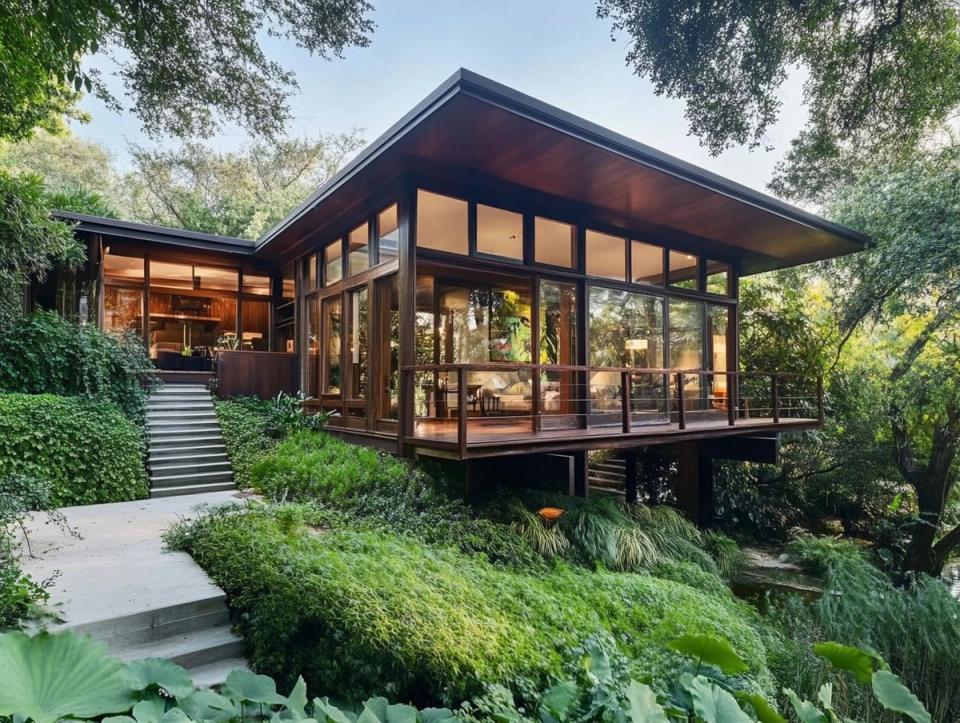
High above the trees, it’s hard to get a glimpse of what’s going on inside.
Stilt houses offer enhanced views and increased privacy in one go.
Much like traditional stilt houses found in Assam and Golaghat, it’s easy to blend in with the surrounds.
By lifting the home, your clients can gain not only an unobstructed, panoramic view of the surrounding landscape but also superior privacy from street level and neighboring properties.
The space beneath the house is also something to consider.
This section can be creatively transformed into outdoor living areas, providing extra room for relaxation and entertaining guests.
It’s also possible to incorporate large windows, expansive decks, and create plenty of room for natural light and ocean breezes.
The possibilities are endless, but here are just a few more ideas:
- The strategic positioning of the structure minimizes both visual and noise pollution.
- Design elements like open floor plans contribute to a more fluid spatial experience.
- Thoughtful landscaping can further enhance privacy and create visual barriers.
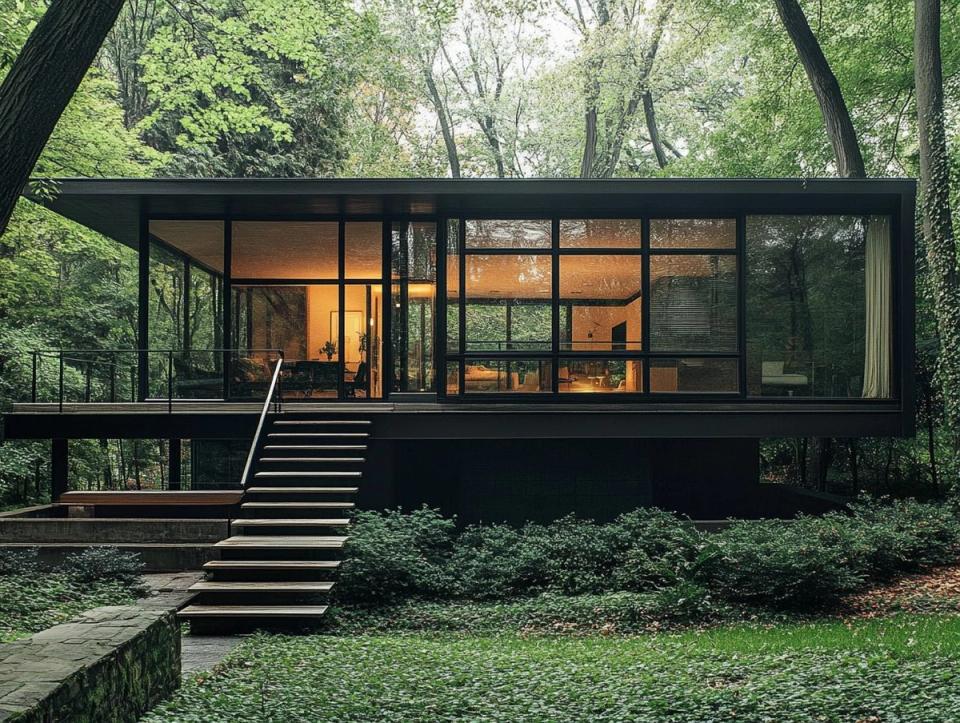
Increased Outdoor Living Space
Stilt houses lend themselves to creating additional outdoor living space.
Entertainment, relaxation, or community gatherings that link nature and everyday life are sure to be some features clients will gravitate toward!
Homeowners frequently transform these elevated platforms into lively spaces for social interaction, where families and friends can come together, share stories, and celebrate traditions.
In regions like tropical areas and snowy climates, stilt houses built with materials such as Western red cedar or bamboo construction offer additional durability.
With ample space available above ground, stilt houses encourage activities that require both room and airflow, resulting in a pleasant environment that promotes a sense of belonging and identity within the community.
In short, these structures do not merely provide shelter.
They also function as a cultural hub that embodies the spirit of togetherness and collective heritage.
Reduced Maintenance and Repair Costs
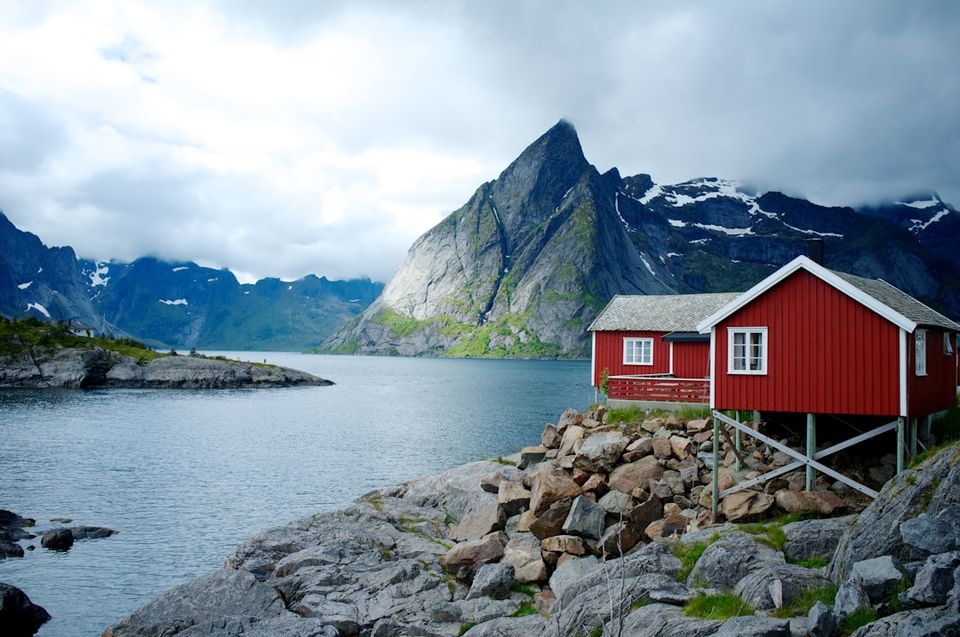
Homes built on stilts often experience lower maintenance and repair costs, thanks to their elevated design choice that reduces exposure to moisture, pests, and storm damage.
This design choice ultimately extends the lifespan of construction materials, protecting against dampness and ensuring resilience against the elements.
Durable materials work well with silted houses, including treated wood, fiberglass, or sustainable composites.
A few more advantages you could consider highlighting as part of your marketing, especially in your digital marketing:
- Reduced Repair Frequency: Elevated designs deter rot and insect damage.
- Lower Insurance Premiums: Properties less likely to suffer flood damage may enjoy reduced insurance costs.
- Longevity: Properties constructed with robust materials tend to have a longer life cycle.
- Impact-Resistant Glass: Protects interiors from extreme weather conditions.
How to Market a House on Stilts
Marketing a house constructed on stilts requires creativity and strategy, and plenty of content marketing to get your clients in-the-know.
That’s true whether you’re marketing a quintessential beachfront property or a jungle hideout—or anything else entirely!
Bring your clients’ attention to the advantages of these houses, many of which they may not know about.
You may also with to share more on the sustainable design aspects, such as steel or stone materials, to appeal to eco-conscious buyers.
At MYA, we always recommend getting on social media and making the most of the visual capacities of platforms like Instagram and Pinterest to visually show all the possibilities of unusual or quirky housing types.
And of course, stilt houses fall firmly into that category—one where supplying new and exciting information to your audience with exciting visuals will almost certainly ensure engagement.
You could even use Pinterest to see more ideas on contemporary home design and stilts ideas, which you can then use as inspiration for your marketing.
If you’re sharing particular home options, focus on what your audience may wish to know, such as size, square feet, and unique features that enhance the fishing or vacation lifestyle.
It’s quite likely that many of your clients may not know that stilt houses are even an option, or they may wonder how they could be incorporated into their local area.
Provide them with all the insights and info they need in fun, creative forms—from insightful videos or Instagram Reels to short captions and powerful, telling visuals.
You could even promote the height advantage of your vertical living space, which offers stunning views of the lake or coast.
As you expand your marketing efforts, there’s room to get creative with your marketing and how you share the dynamics of a stilted property.
This is a house with a stable foundation and and plenty of possibility.
You can also take our lead and check out our Instagram page if you want some further inspiration.
Otherwise, feel free to visit our service page and see how we may be able to help you take your marketing further!
But above all—and this is a point we often drive home at MYA—get to know your audience.
What about a stilted house is going to resonate most with them?
Start there.
Frequently Asked Questions
What is elevated living and how does it differ from traditional housing?
Elevated living involves the construction of a house on stilts, which elevates the living space above the ground.
This differs from traditional housing, which is built directly on the ground.
Elevated living is common in tropical regions and places with tidal waters.
What are the benefits of living in a house on stilts?
There are several benefits to elevated living, including protection from flooding and other natural disasters, increased air circulation and ventilation, and the ability to take advantage of beautiful views.
Elevated living is particularly advantageous in areas with permafrost, where building on ground level is challenging.
How does elevated living promote sustainability?
Stilted housing promotes sustainability by minimizing the impact on the ground and natural surroundings, allowing for better water management, and using materials that are more environmentally friendly, such as Western red cedar.
What are the aesthetic benefits of a house on stilts?
A house on stilts offers a unique and eye-catching architectural design that can enhance the beauty of its surroundings.
It also allows for more creative and functional use of outdoor space underneath the elevated structure for community shelters.
Are there any financial advantages to living in a house on stilts?
In addition to the long-term savings from reduced flood damage and maintenance costs, a house on stilts can also increase property value and potentially lower insurance premiums.
Regular maintenance jobs can be conducted more easily since the structure is elevated.
What should I consider before choosing elevated living?
Before choosing elevated living, it is important to consider the location and potential risks of flooding or other natural disasters.
It is also essential to consult with a reputable architect and builder to ensure the safety and feasibility of the design.
Additionally, consider the availability of raw materials and the impact on local communities.