Japanese interior design is not just a style; it’s an art form that embodies simplicity, tranquility, and harmony with nature.
This approach emphasizes minimalism and the use of natural materials, creating serene spaces that invite calm and reflection.
Explore the key principles of Japanese design and find practical tips on how to infuse your space with its timeless elegance.
These elements can transform your environment and elevate your everyday living experience.
Key Takeaways:
- Embrace minimalism and simplicity for a clean and serene space.
- Utilize natural materials and elements to bring nature indoors.
- Achieve balance and harmony through thoughtful design and attention to detail.
What is Japanese Interior Design?
Japanese interior design is a unique blend of elegance and functionality, deeply rooted in the principles of minimalism and simplicity, emphasizing a connection with nature and an appreciation for craftsmanship. This design philosophy promotes the use of natural materials, such as wood, stone, and paper, creating spaces that exude tranquility and comfort. Influenced by concepts such as wabi-sabi, which celebrates beauty in imperfection, Japanese interior design often incorporates greenery to foster a harmonious atmosphere indoors and outdoors, allowing for a meaningful experience that provides a sense of peace and balance.
Why Choose Japanese Interior Design for Your Space?
Choosing Japanese interior design for your space offers a multitude of benefits, primarily rooted in its emphasis on functionality, aesthetics, and sustainability. This design philosophy promotes a harmonious and clutter-free environment, which fosters comfort and relaxation, making it ideal for modern lifestyles that value simplicity. Additionally, the use of neutral colors and natural materials contributes to a calming atmosphere that embodies concepts like hygge, creating a warm and inviting ambiance that enhances the overall living experience.
Emphasis on Minimalism and Simplicity
The emphasis on minimalism and simplicity in Japanese interior design is a guiding principle that forms the foundation of this aesthetic, promoting a clutter-free environment that enhances focus and tranquility. This approach encourages the use of clean lines, neutral colors, and essential furnishings, reflecting the beauty of simplicity while allowing personal expression through carefully chosen decorative elements.
Incorporating these elements leads to a serene atmosphere that invites relaxation and clarity of thought.
For instance, tatami mats are commonly used, not only for their aesthetic value but also for their tactile experience that connects individuals with nature.
- Natural materials, such as wood and stone, play a significant role, grounding the space and fostering a sense of harmony.
- Large windows and sliding doors often blur the lines between indoor and outdoor areas, enhancing the feeling of openness.
By embracing this minimalist philosophy, one can achieve a sense of balance and tranquility that is often sought in today’s fast-paced world. This creates a harmonious living environment that nurtures the mind, body, and spirit, allowing for a more fulfilled life.
Use of Natural Materials
The use of natural materials in Japanese interior design reflects a commitment to sustainability and craftsmanship, showcasing the beauty of elements such as wood, stone, and paper. These materials not only enhance the aesthetic appeal of a space but also create a warm and inviting atmosphere that fosters a connection with nature, integral to the Japanese philosophy of design.
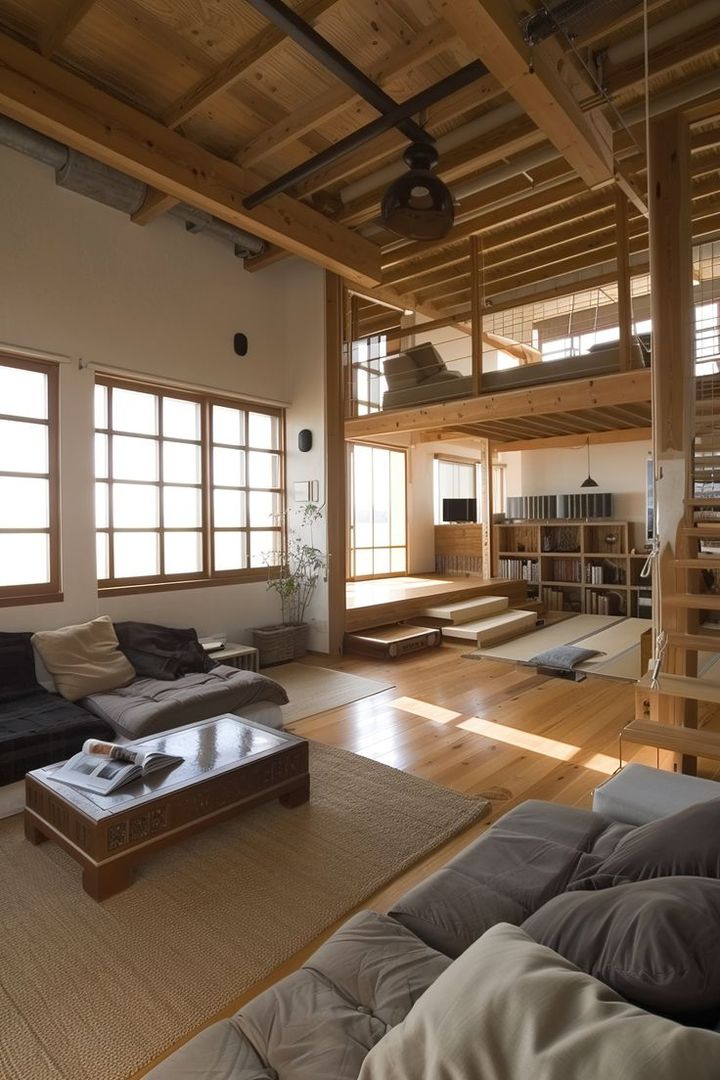
Incorporating these natural elements, such as traditional tatami mats made from rice straw, contributes not just to the aesthetic but also to the sensory experience of a home. The tactile quality of these materials creates a welcoming space where one can truly relax and unwind.
The use of stone, whether in flooring or as accent features, brings a grounding presence that can connect inhabitants to the earth. Wood, sourced responsibly, not only provides durability but also adds warmth and character to interiors, playing a crucial role in establishing harmony with the surrounding environment.
- Wood: Offers warmth and a timeless feel, often used in beams and flooring.
- Stone: Provides a sense of permanence and stability.
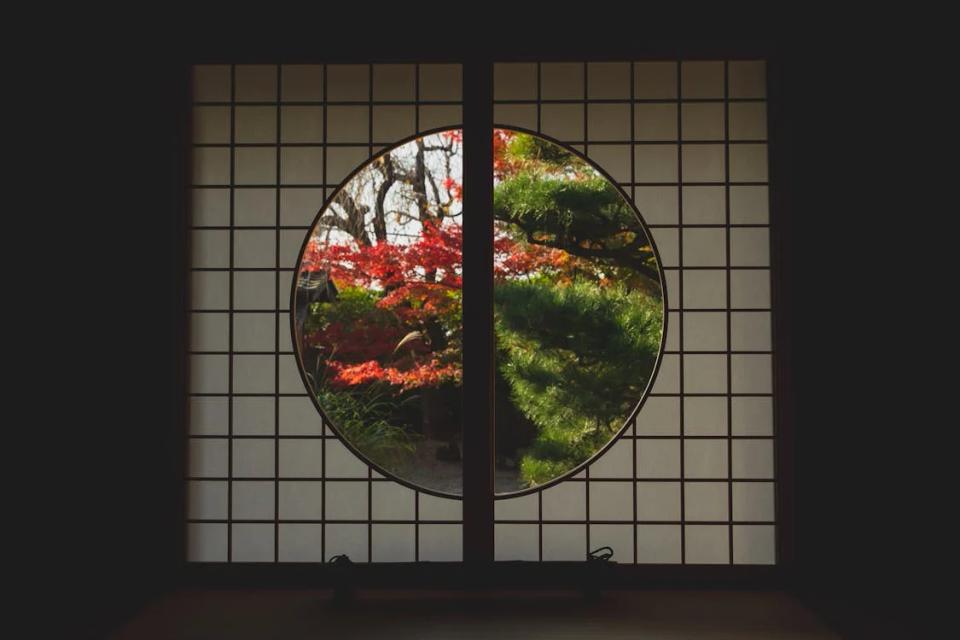
- Paper: Utilized in shoji screens and other decorative elements, allowing natural light to filter through.
Ultimately, these materials together create a tranquil ambiance, promoting mindfulness and serenity.
Incorporation of Nature and Natural Elements
Incorporating nature and natural elements into Japanese interior design creates a seamless transition between indoor and outdoor spaces, fostering a sense of harmony and balance. This design approach emphasizes the inclusion of greenery, such as plants and floral arrangements, which not only enhance the aesthetic but also promote a calming atmosphere that brings the essence of nature indoors.
Integrating natural elements effectively transforms the overall ambiance, enriching the experience of those who inhabit the space. Biophilic design principles play a crucial role in this approach, as they encourage the use of materials like wood, stone, and water features, alongside natural light.
For instance, large windows can connect a room to its surrounding landscape, while strategically placed plants can purify the air and reduce stress. Studies have shown that people working in environments infused with nature report higher levels of productivity and well-being.
- Natural light enhances mood and energy levels
- Plants improve air quality and cognitive function
- Water features instill a sense of tranquility
By embracing these elements, spaces become not just functional but rejuvenating, nurturing a deeper connection to the natural world.
Balance and Harmony in Design
Balance and harmony are central themes in Japanese interior design, guiding the arrangement of elements to create a peaceful and cohesive environment. This design philosophy encourages a thoughtful layout that promotes a sense of flow and tranquility, where every piece serves a purpose and contributes to the overall aesthetic of the space.
Incorporating natural materials like wood, stone, and paper not only adds warmth but also aligns with the principles of balance. Color schemes are typically soft and subtle, favoring muted tones that reflect the seasons and foster serenity.
One essential aspect of achieving harmony is the careful selection of furnishings.
- Low-profile furniture encourages easy movement and enhances spatial awareness.
- Multipurpose pieces maximize functionality while maintaining simplicity.
- Natural light plays a crucial role, with windows often framed to invite the outside world in.
By adhering to these principles, one can create an environment that is not only visually appealing but also enhances the overall functionality of the space, fostering a sense of well-being and contentment.
Focus on Functionality and Efficiency
A strong focus on functionality and efficiency is a hallmark of Japanese interior design, where every element is purposefully selected to maximize the potential of the space while ensuring comfort. This approach not only optimizes the use of available space but also enhances the overall living experience by promoting ease of movement and accessibility.
In this design philosophy, the interplay of materials and layouts plays a crucial role, often featuring multipurpose furnishings that adapt to various needs. For instance, low-profile furniture can easily be tucked away or repurposed, allowing residents to create a fluid environment that accommodates both relaxation and entertaining.
Consider a living room equipped with a
- tatami mat for seating
- sliding shoji screens that transform the space
- built-in storage solutions
Each element fosters a seamless flow, enhancing user comfort without cluttering the visual landscape. The minimalist approach inherent in Japanese design promotes tranquility and encourages mindfulness, making every corner of the home a purposeful retreat.

Influence of Zen Philosophy
The influence of Zen philosophy on Japanese interior design is evident in its emphasis on tranquility, mindfulness, and simplicity, creating spaces that promote relaxation and reflection. This design approach encourages the use of serene colors, natural materials, and minimalistic decor to cultivate an environment conducive to meditation and peaceful living.
By fostering an ambiance that prioritizes harmony and balance, this aesthetic not only enhances the visual appeal of interiors but also contributes to overall well-being. Practitioners of Zen-inspired design often favor a natural color palette that includes earthy tones, gentle greens, and soft whites. These choices create a seamless connection between the indoors and outdoors, inviting nature into living spaces. The incorporation of organic materials, such as wood, stone, and bamboo, creates textures that evoke a sense of grounding.
- Spatial arrangements are also vital; open layouts encourage fluid movement and ease.
- Strategically placed furniture promotes mindfulness, making it easier to enjoy the moment.
- Integrating elements like stone gardens or water features enhances tranquility further.
By embracing these principles, modern interiors benefit from a retreat-like atmosphere that supports relaxation and introspection.
Use of Traditional Japanese Elements
The use of traditional Japanese elements in interior design reflects a deep appreciation for cultural heritage and craftsmanship, often incorporating features such as tatami mats, shoji screens, and kumiko joinery. These elements not only enhance the aesthetic appeal of a space but also serve as a reminder of the rich history and values embedded in Japanese culture.
Integrating these unique components into contemporary spaces can create an inviting atmosphere that balances modern simplicity with timeless elegance.
The characteristic tatami mats, made from natural igusa grass, offer a soft, breathable surface which encourages a tranquil environment. Meanwhile, shoji screens provide flexibility in defining rooms and maintaining privacy while allowing a gentle flow of natural light.
- These screens not only act as dividers but also embody the essence of wabi-sabi, celebrating imperfection and transience.
- Kumiko joinery showcases intricate woodwork that reflects exceptional craftsmanship, proof of the meticulous artistry that defines Japanese aesthetics.
When incorporated thoughtfully, these elements can enrich a modern interior design by inviting peace and harmony into everyday life.
Attention to Detail
Attention to detail is a fundamental aspect of Japanese interior design, where meticulous craftsmanship and thoughtful design choices elevate the aesthetic and functional quality of a space. This dedication to detail is evident in the careful selection of materials, the precision of construction, and the harmonious arrangement of elements.
In this style, every minor aspect contributes to a larger narrative, creating an atmosphere of tranquility and balance. For instance, the choice of natural materials, such as wood and stone, not only enhances the overall artistry but also promotes a connection to nature, which is a vital principle in Japanese philosophy. In terms of color schemes, the use of muted tones can significantly alter the mood, evoking calmness and serenity.
- Small decorative items, like a single ceramic vase or a handcrafted brush, draw attention while maintaining simplicity.
- The placement of furniture is intentionally considered, promoting fluid movement and functionality.
Such small design choices, when executed with intention, allow for a cohesive look that resonates throughout the entire space, encompassing both beauty and purpose.
How to Incorporate Japanese Interior Design in Your Space?
Incorporating Japanese interior design into your space involves a thoughtful approach that emphasizes minimalism, functionality, and a connection to nature. By focusing on these key principles, you can create an environment that embodies the serenity and elegance associated with Japanese aesthetics, making your home a peaceful retreat from the outside world.
Start with a Neutral Color Palette
Starting with a neutral color palette is essential in Japanese interior design, as it sets the foundation for a calm and serene atmosphere. This approach to color allows for the integration of natural materials and decorative elements that enhance the overall aesthetic without overwhelming the space.
Utilizing shades such as beige, soft whites, and muted greys not only enhances the feeling of openness but also complements the natural light that floods these environments. The beauty of such a palette lies in its versatility; for example, pairing a warm taupe with delicate green accents fosters a refreshing ambiance, evoking the tranquility of a traditional Japanese garden. Likewise, combining earthy browns with pastel colors can create a soothing sense of balance, reminiscent of the simplicity found in nature.
- Warm taupe + Delicate green
- Earthy brown + Pastel colors
- Soft white + Light wood tones
This understated elegance does not just enhance aesthetics; it also cultivates a sense of spaciousness and tranquility, making it easier to unwind and connect with one’s surroundings.
Use Natural Materials and Textures
Utilizing natural materials and textures is a hallmark of Japanese interior design, as it brings warmth and authenticity to the space. Elements such as wood, stone, and cotton serve not only as aesthetic features but also create a tactile experience that deepens the connection to nature.
These materials can be harmoniously combined to evoke a sense of tranquility and balance, essential in Japanese aesthetics. For instance, wood can be showcased through elegantly crafted furniture or exposed beams, providing a grounded feel while also highlighting its natural grain.
- Stone elements, like pebbled paths or slate tiles, can add an organic touch, enhancing the earthy vibe.
- Cotton, particularly in textiles, enables softness, contributing to comfortable living spaces that invite relaxation.
By layering these materials, a room becomes a canvas of texture and depth, inviting occupants to experience the serene beauty of nature within their homes.
Add Natural Elements and Greenery
Adding natural elements and greenery is vital in enhancing the ambiance of a space designed with Japanese principles, as it fosters a strong connection with nature.
Incorporating plants, floral arrangements, or even water features can transform the environment, creating a serene and revitalizing atmosphere. Such thoughtful integration of organic elements not only uplifts the spirit but also reinforces the essence of minimalist living, allowing one to appreciate the beauty of simplicity.
Consider utilizing Japanese Zen gardens, which elegantly combine rock formations with carefully chosen plants, or introduce indoor bonsai trees that symbolize patience and harmony.
- Large, leafy green plants like the fiddle leaf fig or snake plant can also serve as striking focal points, enhancing air quality and promoting a sense of calm.
- Besides aesthetics, including natural materials like bamboo or stone further emphasizes the theme of tranquility, resulting in a harmonious living space that encourages mindfulness and well-being.
Create a Sense of Balance and Harmony
Creating a sense of balance and harmony in your space is essential when incorporating Japanese interior design elements, as it ensures that all aspects work together cohesively. This can be achieved by thoughtfully arranging furniture, selecting complementary colors, and utilizing symmetry to promote serenity and flow.
To enhance this feeling further, one might consider the importance of layout, which is foundational in establishing a tranquil environment. Thoughtful spacing not only provides ease of movement but also emphasizes key features within the room.
When implementing Japanese design, a minimalist approach is favored, which allows for both function and aesthetics to coexist effortlessly.
For instance, positioning a large tatami mat in the center of a room can create a natural focal point, drawing the eye and encouraging engagement with the surrounding elements.
- Utilize natural materials such as wood and stone to promote an organic feel.
- Incorporate greenery with indoor plants that bring life and color into the space.
- Maintain a neutral color palette to create a calming atmosphere.
Consequently, finding harmony among various elements, from furniture choices to decorative accents, will ultimately lead to a serene sanctuary tailored to individual needs.
Incorporate Traditional Japanese Elements
Incorporating traditional Japanese elements into your interior design can add depth and character to the space, showcasing cultural heritage while enhancing the overall aesthetic. Elements like tatami mats, shoji screens, and decorative arts can serve as focal points that reflect the beauty of Japanese craftsmanship.
By integrating these unique features, you not only celebrate a rich cultural history but also create a serene and harmonious atmosphere that resonates with both warmth and tranquility.
- Tatami mats, made of woven rush grass, offer a soft yet sturdy flooring option that evokes a sense of calm.
- Shoji screens, with their delicate rice paper and wooden frames, can provide privacy while allowing natural light to filter through, creating an ethereal glow.
- Decorative arts, such as calligraphy or ceramic ware, add personality and artistic flair, making the space uniquely yours.
These elements can be easily incorporated into modern design by using minimalist approaches, ensuring that the essence of traditional craftsmanship blends seamlessly with contemporary aesthetics.
Focus on Functionality and Efficiency
Focusing on functionality and efficiency is crucial in Japanese interior design, as it ensures that spaces are not only aesthetically pleasing but also practical for everyday use. This approach promotes smart storage solutions and multi-functional furniture that cater to modern living while preserving the essence of Japanese design.
For those looking to elevate their interiors, incorporating elements that blend form and function is key. Consider selecting versatile furniture pieces, such as a low-profile table that doubles as storage, allowing one to maintain an uncluttered environment while adhering to minimalist principles. Creating layouts that maximize natural light can enhance the ambiance of a room, making it feel spacious and inviting.
- Opt for modular shelving to adapt to changing needs.
- Utilize tatami mats and sliding doors to create flexible spaces.
- Employ neutral color palettes to promote tranquility and cohesion.
These practical choices not only improve day-to-day functionality but also enhance the overall experience of living in harmony with one’s surroundings.
Pay Attention to Detail
Paying attention to detail in Japanese interior design is vital for creating a space that reflects quality and care, where each element is thoughtfully chosen to enhance both aesthetics and functionality. This meticulous approach ensures that the design resonates with the principles of craftsmanship and harmony.
Every intricate choice can lead to serene environments that invite tranquility and reflection. For instance, the use of washi paper in sliding doors not only offers privacy but also filters natural light beautifully, creating an ethereal ambiance.
The careful selection of wooden beams and tatami mats contributes to a sense of warmth and naturalness, showcasing the strength of organic materials. Adding simple yet elegant ceramic vases, which often feature subtle glazes and textures, can provide a focal point that embodies the essence of Japanese artistry.
- Thoughtful use of color, often limited to nature-inspired hues, can evoke a sense of calm.
- Incorporation of traditional art forms, such as calligraphy or Ikebana, further enhances the atmosphere.
- Minimalistic furniture pieces encourage uncluttered living, allowing occupants to truly appreciate each item in their space.
Conclusion: Elevate Your Space with Japanese Interior Design
Elevating your space with Japanese interior design offers a unique opportunity to create an environment that embodies tranquility, aesthetics, and functionality, fostering a deeper connection to nature and your personal well-being. By integrating elements of minimalism, natural materials, and cultural heritage, you can transform your living area into a serene retreat that reflects the beauty and simplicity of Japanese design principles.
Embracing these principles not only enhances the look of your home but also contributes to a more balanced lifestyle. When one introduces items like tatami mats, shoji screens, and wooden furnishings, it becomes easier to cultivate a sense of calm and order. These well-thought-out components encourage mindfulness, allowing for a peaceful atmosphere that helps alleviate daily stress.
- Consider using neutral color palettes that evoke a sense of calm.
- Incorporate natural light through large windows or light fabrics.
- Adopt a less-is-more approach to decor, focusing on quality over quantity.
By doing so, individuals can experience the numerous benefits that come from adopting a lifestyle inspired by these timeless Japanese traditions.
Frequently Asked Questions
What is Japanese interior design? Japanese interior design is a style of decorating that incorporates traditional Japanese elements, such as natural materials, minimalism, and a sense of harmony and balance, into a space to create a peaceful and calming atmosphere.
What are the benefits of incorporating Japanese interior design into a space? Japanese interior design can help create a sense of tranquility and balance in a space, as well as promote a connection with nature and an appreciation for simplicity. It can also make a space feel more spacious and open.
How can I incorporate Japanese interior design into my space?
There are many ways to incorporate Japanese interior design into a space, such as using natural materials like wood and stone, incorporating elements of minimalism, and incorporating traditional Japanese design elements like shoji screens or tatami mats.
How can Japanese interior design help me as an architect or interior designer?
Japanese interior design can help you create unique and beautiful spaces that will stand out to potential clients. It can also help you create spaces that promote a sense of well-being and harmony, which can be appealing to clients.
Are there any specific colors or materials that are commonly used in Japanese interior design? Yes, natural materials like wood, bamboo, and paper are commonly used in Japanese interior design, as well as neutral and muted colors like beige, white, and grey. Natural light is also important in Japanese design.
Can I incorporate Japanese interior design into any style of space?
Yes, Japanese interior design can be incorporated into almost any style of space, from modern to traditional. It is all about incorporating the principles of simplicity, balance, and a connection with nature into the design.