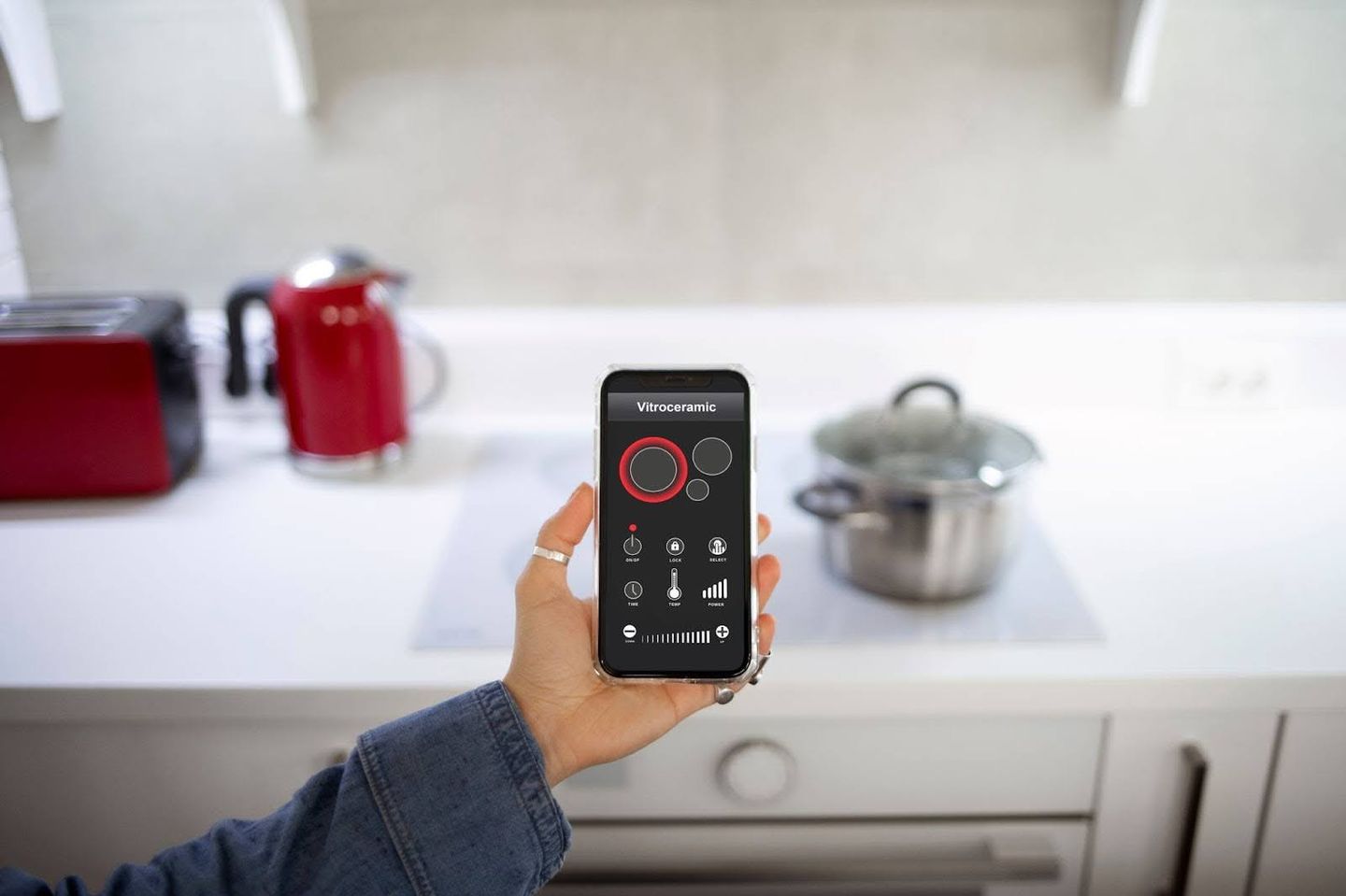
Home automation isn't only about fancy tech gadgets lighting up your home and sending roombas around the kitchen while you sleep.
It's also about invisible luxury, convenience, ease.
And these are what you can highlight as part of your marketing campaigns.
Smart home features can be taken away from tech specs and spun into meaningful narratives.
And that’s exactly what effective home automation marketing demands.
Here's how to market automated living in a way that weaves into your organization’s ethos and actually resonates with your clients.
The Dawn Sequence
Your home automation story begins before you’re fully awake.
The room glows with a slow sunrise of warm light.
The coffee machine hums to life without being asked.
Blinds lift as if the house is taking a quiet breath.
This is convenience, of course.
But when it’s placed into the story of a day, it takes on new clarity, new dimensions.
The feeling is more about home than it is about automation.
Yes, MIT research confirms that predictive automation lightens mental load and trims away decision fatigue.
But stats don’t matter to clients who are trying to anticipate the experience of living in a home.
The moments and the sensory details do.
This is the heart of our content marketing approach: turning technical capability into emotional resonance.
Show clients the morning rituals.
Capture the small, invisible transitions.
Let the comfort become visible, palpable.
Circadian Lighting
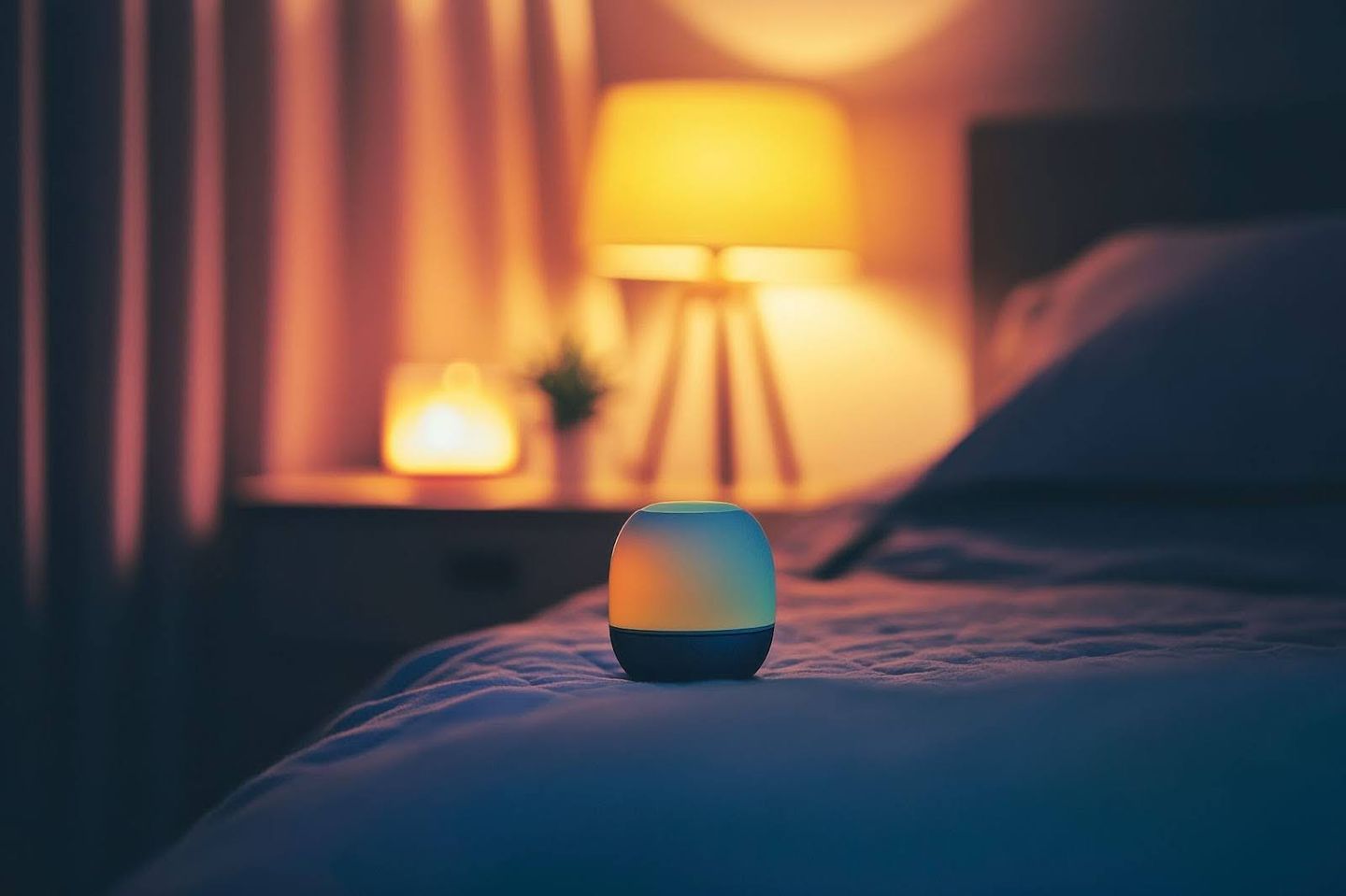
The Lighting Research Center at Rensselaer Polytechnic Institute proves dynamic lighting improves sleep and alertness.
Important? Yes. Marketable? Only if you translate it.
What might it mean to not have to touch a light switch?
What could that small shift make room for?
When developing digital marketing for architecture firms, we showcase home automation through time-lapse photography.
From morning whites to evening ambers, let clients see their future rhythms.
Quick tip: Instagram reels are a great way to show lighting dynamics.
Plus, they also help keep up engagement, especially when accompanied by explanatory captions.
The Connected Home
True home automation creates dialogues between systems.
A shower can tell the floors you're awake.
The garage can alert the thermostat that you've left or come home.
Humidity from your shower can prompt the bathroom’s extractor fan.
Parks Associates research shows integrated automation increases home value and helps properties sell faster.
Our marketing strategies for architecture firms emphasize ecosystem thinking: systems that converse, devices that anticipate, and homes that learn on the job.
Document these invisible conversations, and you’ll find yourself making the intangible tangible.
Indoor-Outdoor Fluidity
Glass walls that retract at perfect temperatures.
Screens that descend when mosquitoes emerge.
Music that follows you outside.
The Custom Electronic Design & Installation Association (CEDIA) confirms seamless automation increases living space usage significantly.
It’s essentially reclaimed square footage without lifting a single brick.
One botanist we know described how their garden room transformed once automation took over:
The lights shifted with the plants’ cycles, the ventilation adjusted itself, and the space became whatever the day required.
He lived in a realm that was not quite indoors, not quite outdoors.
It was all an adaptive, living system.
These kinds of real-life stories are gold for architects.
They show, in a way no specification sheet ever could, how home automation quietly expands the way people live in their homes.
Sound and the Senses
The appetite for whole-home audio continues to grow, according to the Consumer Technology Association.
Imagine a home where the music moves with you.
We’re not just talking music that plays outside and inside simultaneously.
We’re talking about volume that settles gently as you enter a room.
The acoustic focus shifts as naturally as your footsteps.
That’s the angle your marketing should lean into:
Make this experience of sound tangible.
The Sustainability Story
Home automation significantly reduces energy consumption through intelligent management.
We’ve explored some of this beforein a previous blog post, which focused on sustainable technology in custom manufactured homes.
The International Energy Agency projects substantial global energy reductions through smart home technology by 2040.
But don't lead with savings.
Instead, lead with conscience.
One homeowner told us their home became carbon-negative almost by accident.
Solar panels were busy collecting the sun’s energy, batteries were shifting loads in the background, and smart systems were deciding when to store, when to share, when to power down.
Nothing flashy, nothing manual.
This is just sustainability made effortless.
Our SEO strategies for architects tap into the searches people actually make when they want this blend of ethics and ease: “sustainable luxury,” “effortless eco-living,” “easy sustainability.”
When you link home automation to values rather than just efficiencies, you move the conversation from savings to identity.
And that’s where long-term resonance lives.
Security as Serenity
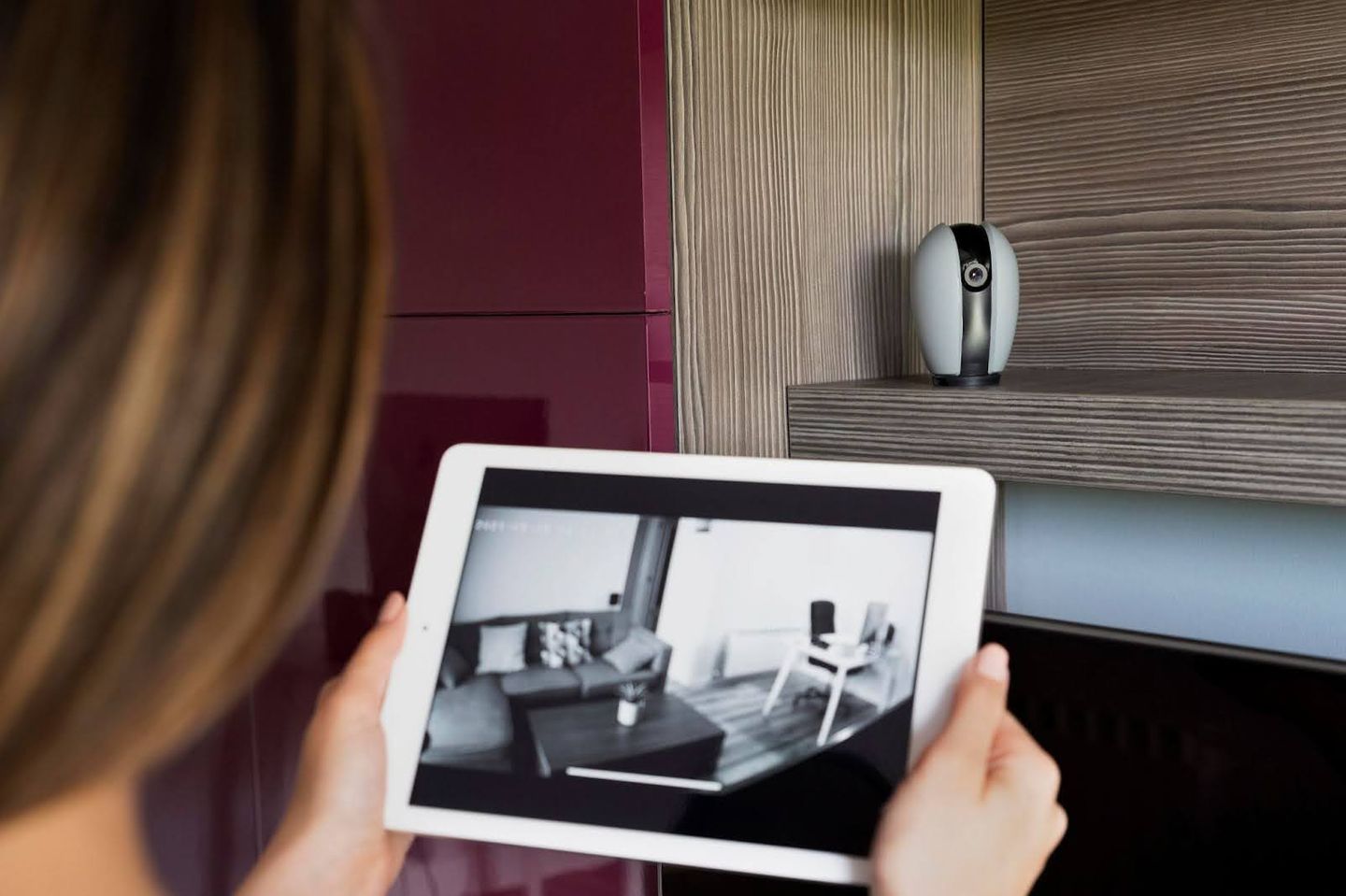
Research shows automated security systems significantly deter intrusions.
But fear doesn't sell luxury homes. Peace does.
Try reframing security as awareness:
- Cameras that recognize family
- Locks that anticipate arrival
- Systems that simulate presence
When creating architecture marketing strategies, position security as freedom, the luxury of never having to worry.
True luxury is the quiet confidence that your home is already paying attention, creating a sense of safety so seamless you barely notice it, only the calm it leaves behind.
Voice Optional, Intelligence Standard
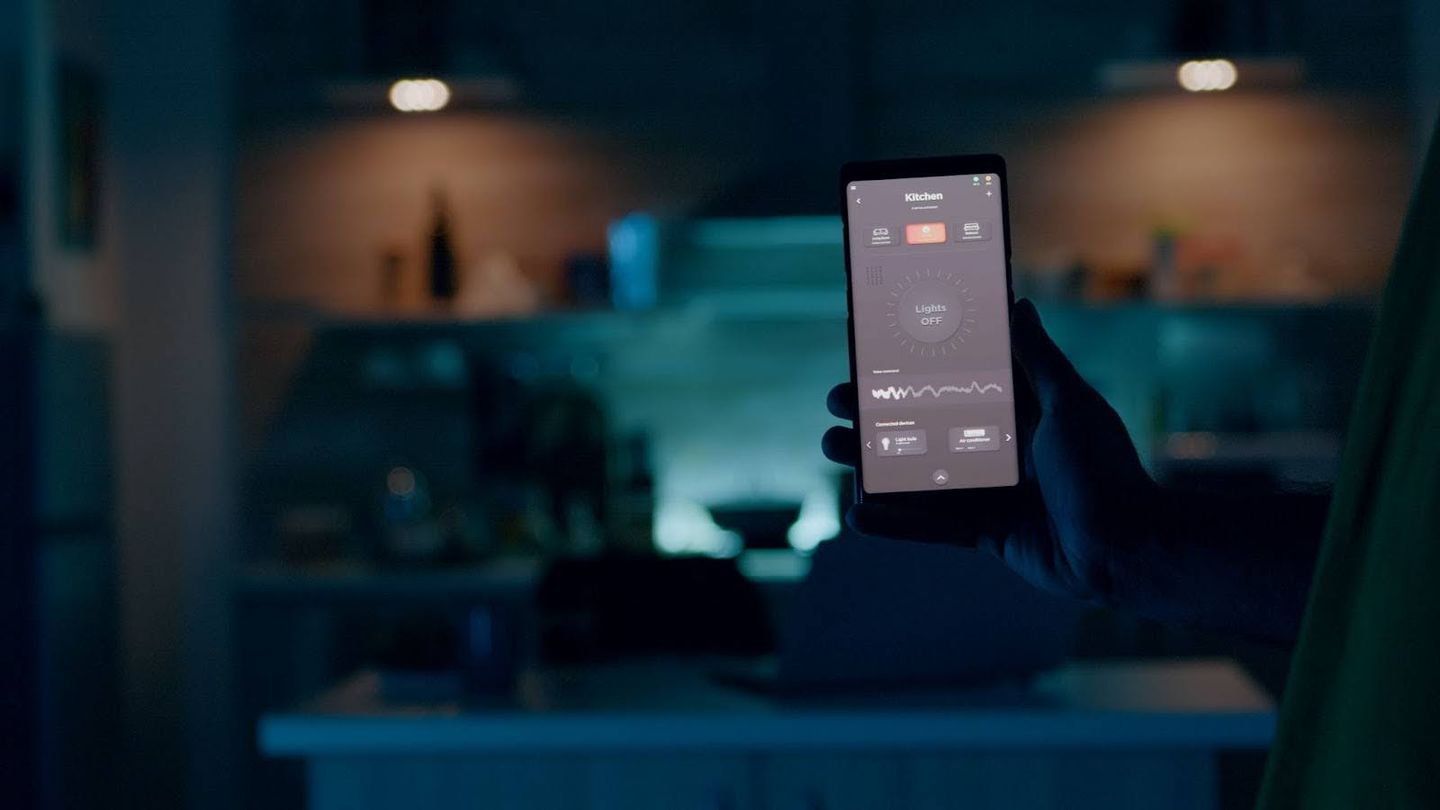
Voicebot.ai reports significant adoption of voice assistants.
But the best home automation doesn't require speech.
Homes today can operate for weeks without commands, learning through patterns.
Our approach to marketing these developments?
We recommend showing both modes: voice for convenience, silence for when you don’t want to have to think about it (like breathing or a heartbeat).
Our social media campaigns often aim for optionality.
A certain degree of customization can land really well with any set of clients.
Of course, there’s a limit (paradox of choice), but a little input goes a long way.
Wellness Integration
The Global Wellness Institute values wellness real estate at $275 billion.
And today, home automation quietly stretches far beyond convenience. It can handle:
- Air quality management
- Hydration tracking
- Sleep optimization
- Circadian lighting that supports vitamin D rhythms
- Stress-responsive lighting scenes
- Adaptive temperature zones for recovery
- Smart nutrition reminders
- Real-time posture and movement insights
- Meditation and breathing prompts
- Automated noise control for deep focus
One athlete told us that their home had essentially become a silent wellness coach.
The mirror nudged about hydration, and the bedroom tuned itself for deeper REM cycles.
The environment can adjust to your lifestyle.
This is how to frame home automation for modern buyers: not as gadgets, but as a long-term health investments, or ways to nourish a life they already live.
Our marketing playbook leans into wellness-centred storytelling, the kind that resonates immediately with clients who prioritise longevity, recovery, and everyday vitality.
Seasonal Intelligence
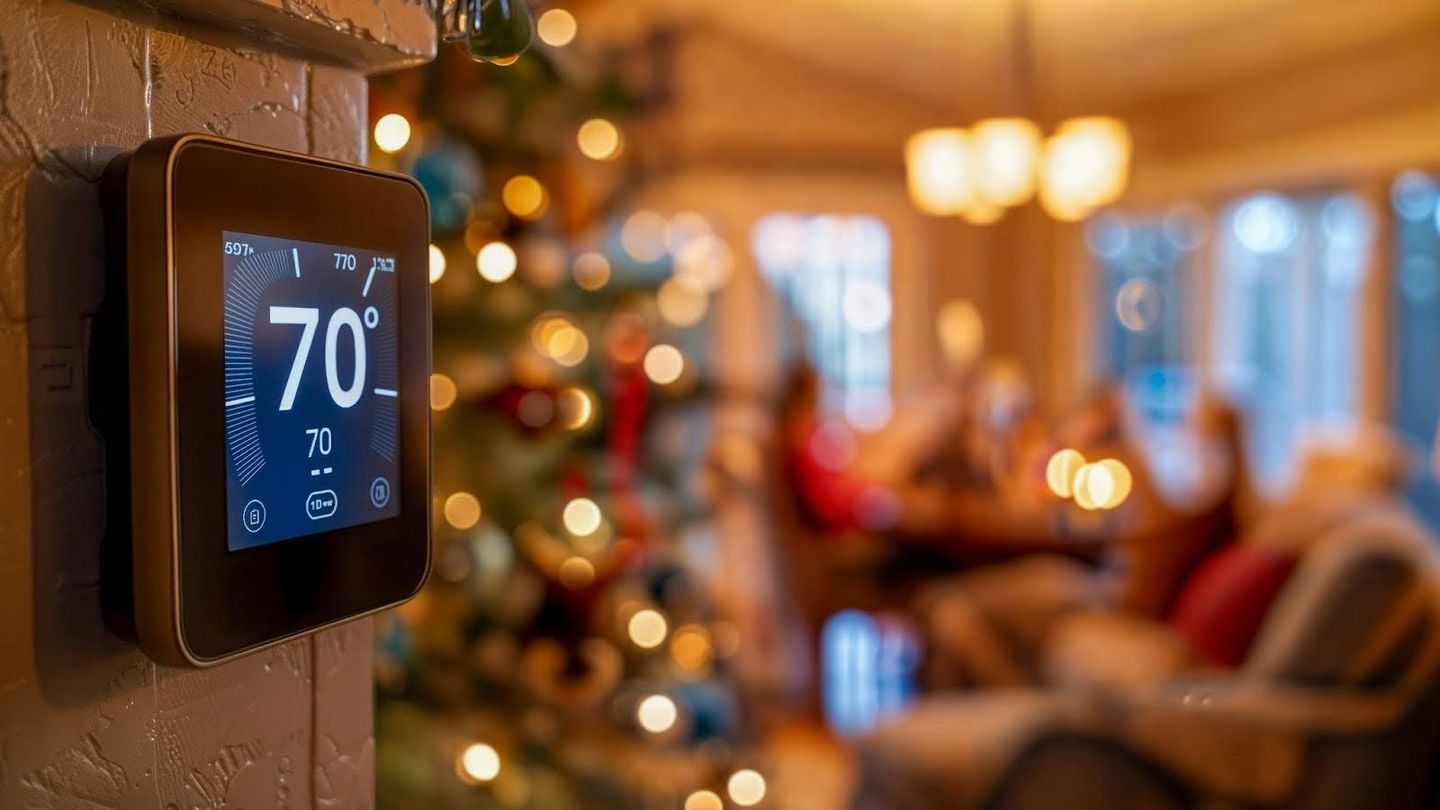
Temperature matters a lot to the enjoyment of a home, whether that’s in the brutal heat of summer or a bone-chilling winter snowstorm.
There’s no true sanctuary without real respite from the elements.
According to ASHRAE, seasonally adaptive systems improve comfort while reducing energy consumption.
Color temperatures shift with solstices.
Wake times adjust with daylight.
Humidity modifies with weather patterns.
With this in mind, it’s a good approach to create content showing your home automation through seasons.
Time-lapse across months, and show homes that age gracefully with the year.
The Invisibility Advantage
I recall one designer telling us their guests often stay for days without noticing a single piece of automation.
They just register an unusual sense of ease: lights that always feel “right,” temperatures that never need adjusting, spaces that seem to respond without being asked.
The best home automation disappears completely.
No visible sensors, no obvious interfaces.
Comfort is all there is.
That kind of invisibility is the real differentiator and a huge selling point.
You’re showcasing gadgets, certainly, and howthey work matters.
But more than that, you’re wanting to convey the experience of those gadgets.
Homes where technology dissolves into the background, leaving only comfort, intuition, and flow.
Our approach to marketing architectural services leans into that absence, highlighting what clients won’t see but will constantly feel.
Your Smart Marketing Approach to Home Automation
Three-step home automation effectively means ensuring you’ve got these three things covered:
- Start with lifestyle: Morning routines, not specifications
- Show real families: Testimonials over tech sheets
- Demonstrate ROI: Comfort, value, and energy savings combined
Instead of talking about home automation as a list of features, try talking about what it’s actually like to live with it.
Focus on the quiet comforts, the routines that suddenly feel smoother, and the way technology fades into the background and just makes life a little easier.
That’s the approach we take at Market Your Architecture.
We help firms shift from describing the tech to capturing the experience: the atmosphere, the feeling, the calm that smart homes create when they’re designed well.
When technology becomes invisible, that’s when it feels truly luxurious, and that’s the story worth telling.
If you’re looking to market homes that think for themselves, we can help you create campaigns that reflect that same subtle intelligence.
Get in touch with us at MYA, and let’s explore what smart home marketing can look like when it’s built around real life.