
If you’ve visited this page, then the chances are you’ve wondered – how do architects advertise?
Maybe your firm is in need of a little advertising boost – and some insider knowledge to go with it.
Our experts have compiled a list of some of the more unique, cutting-edge, and inventive advertising moves you can make to get your firm on the map.
We’ve got some tried-and-tested ideas for getting your name out there – ones that really work.
And, as ever, we’ve included the full range of options that we believe in most, from digital approaches to longstanding advertising tactics.
Key Takeaways:
- Building a strong online presence is crucial for architects to showcase their work and attract potential clients.
- Networking and collaborating with other professionals in the industry can lead to new opportunities and projects for architects.
- Unique advertising tactics such as hosting events, offering free consultations, and using technology can set architects apart and attract attention to their work.
Why is Advertising Important for Architects?

Your designs are something to be proud of.
Still, even the most beautiful ideas can stay hidden if not put on display in the right ways.
You have to be brave and bold to ensure that clients come knocking – and advertising is the route to turning admirers into clients.
At the same time, you want the nuances of your practice and brilliance of your work to come through.
For that reason, you don’t want your architectural marketing to be flat or to reek of promotion.
That’s why we recommend you be brave and take the more organic and authentic route!
Think – how can I tell a story?
And what story do I want to tell?
In a world of what seem to be millions of cookie-cutter designs, your unique brand is your biggest asset.
It may be hard to believe, and you may have imposter’s syndrome – but if there’s one thing we want all our clients to know, it’s that they need to believe in themselves first.
And you know – better than anyone else – what makes your work and style so special.
It’s also super important to get the word out there if you want your business to be a success, of course.
How important, you might ask?
Well, you can consider that having a clear marketing and advertising strategy can yield a 13 times stronger chance that you’ll see a return on investment (ROI).
Common Tactics Used by Architects for Advertising
Thinking outside the box is certainly something we encourage here at Market Your Architecture.
Still, the classical methods are there for a reason.
They do work, and they’ve done so enduringly!
The good news is, there’s a world of ways to showcase your talent.
And there are also ways to harness them uniquely to turn your portfolio into a crowd-pleaser.
With the right eclectic mélange of social media magic, online allure, and real-world connections, you can position yourself well in the architecture marketing sphere.

Creating a Strong Online Presence
Your website is your digital front door, which is why it deserves to be given a lot of TLC.
With a website that’s as smart as it is beautiful, you can turn online browsers into clients with a brilliant first brush.
This is your way to almost instantaneously show off your architectural strengths, share your story, and make enough of an impression that a client doesn’t feel they need to keep trawling the internet.
And if your website looks amazing, it also sends your search rankings skyward in a big way.
This is why digital marketing strategies are such an essential ingredient in standing out.
In our mind, the foundation of an effective online presence starts with an aesthetically pleasing website that reflects your design philosophy.
This includes:
- Responsive Design: Ensuring the website is mobile-friendly enhances user experience.
- Fast Loading Times: Optimizing images and minimizing scripts can keep visitors engaged.
- Clear Navigation: Simplifying the site structure helps users find information easily.
Beyond design, implementing SEO strategies like incorporating relevant keywords, meta descriptions, and backlinks can elevate the website’s ranking on search engines.
And of course, taking the time to create engaging content can help you show your expertise in the best way possible.
And, at the same time, you’ll likely invite interaction, cultivating a community around your work.
Networking and Building Relationships
Networking is the lifeblood of any successful architect – it’s really not worth missing as part of your marketing process.
You can exchange a thousand business cards, but building true, authentic connections is really what matters.
That way, you foster trust and collaboration and long-term work as well.
By immersing yourself in industry events, joining professional organizations, and using digital platforms in the best ways, you can create a powerful network that opens doors to new opportunities.
Learning to love networking is something we at MYA highly recommend.
After all, the strength of your network is often directly proportional to the success of your firm.
Cultivating relationships, sharing knowledge, and collectively elevating the architectural profession has so many benefits beyond what you might imagine.
There’s value in stepping outside your studio, connecting with fellow architects, and witnessing your business flourish with support and inspiration from others.
What’s more, joining professional organizations provides a structured platform for networking, allowing architects to participate in forums and discussions that stimulate growth and collaboration.
- By leveraging existing client relationships, architects can gain referrals, which may result in new business opportunities.
- Building and nurturing these connections not only establishes trust but also paves the way for future projects.
These networking strategies are pivotal in creating a strong professional foundation that contributes to sustained success and innovation within the field.
Participating in Architectural Competitions
Do you think your designs can win gold?
Well, then – architectural competitions are your stage on which to do so.
Not only do they put your talent under the spotlight, but they’re also a hotbed for spotting potential clients.
Winning is like striking gold indeed – instant credibility, a flood of new projects, and your name plastered across industry headlines.
But you have to be ready to battle it out with the best with good camaraderie and sportsmanship.
In doing so, you can level up your game and leave a lasting impression.
Engaging in these contests can be particularly beneficial for emerging architects, as they often operate in a competitive field where distinguishing oneself is crucial.
To make the most of this experience, consider the following:
- Researching competitions that align with your design philosophy and area of expertise, ensuring relevance and maximizing your chances of success.
- Analyzing previous winners to understand judging criteria, gaining insights that can inform strategies for future entries.
- Documenting the process and outcomes meticulously can provide material for future marketing efforts and portfolio development.
Collaborating with Other Professionals
By joining forces with engineers, interior designers, or contractors, you can construct an all-in-one, dynamic set of offerings for your clients.
You can also make your firm stand out through the complexity and uniqueness of your brand.
For another thing, you can share the workload.
And for yet another, you get to craft a holistic experience for your clients, which is something that we’ve found to be especially valuable in architecture marketing.
This is what fully integrated design looks like, from the ground up.
For instance, when architects work alongside landscape architects, the synergy can lead to innovative designs that integrate the building harmoniously into its natural surroundings.
Successful collaborations also streamline communication, reduce misunderstandings, and expedite decision-making processes, ultimately leading to a higher level of client satisfaction.
- One notable example is the collaboration between Moore Ruble Yudell Architects and structural engineers at Arup for the UCLA Student Center, which resulted in a space that met educational and social needs while also being environmentally friendly.
- Similarly, the partnership between Gensler and various consultants on the Amazon Spheres showcases how interdisciplinary collaboration can push the boundaries of innovation.
Clearly, embracing a collaborative mindset can transform architectural visions into reality and yield multifaceted benefits for all involved.
Using Social Media Platforms
Instagram, Pinterest, LinkedIn – if you’re not already on them, then you need to change that quick sticks.
This is probably one of the most straightforward ways to garner a firm following, according to our experts.
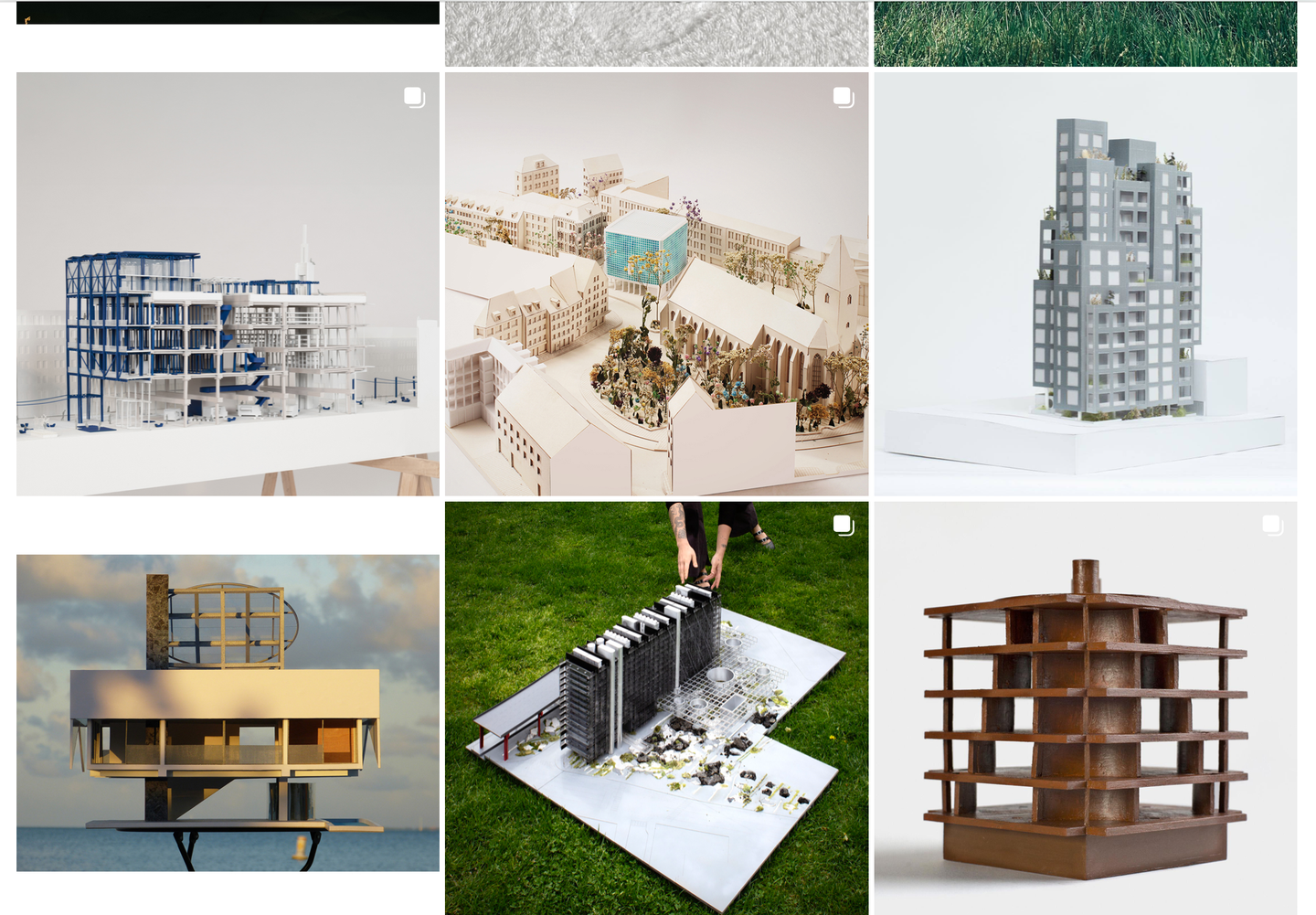
Post stunning pics, share behind-the-scenes secrets, and create an aesthetic for your followers to drool over and dream about – and that’s the hook!
Likes may be abounding, but building a community of design enthusiasts who can’t wait to see your next masterpiece is what really matters to your dream clients.
To maximize your impact on these platforms, you may want to consider a few strategic approaches.
- Content Variety: Sharing not only finished projects but also behind-the-scenes processes, sketches, and even time-lapse videos can enrich the narrative.
- Engagement Tactics: Actively responding to comments and messages fosters community and increases loyalty among followers.
- Analytics Tools: Using platform analytics enables outcome tracking, helping architects refine their strategies based on actual performance metrics.
Showcasing Previous Work and Projects
In many senses, your portfolio is kind of like an architectural resume.
In other words, it’s how you run through the list of all the skills that you’ve got and showcase your brilliance, a tangible testament to your design prowess.
It’s where potential clients come to experience your vision, to see the magic you create with every stroke of your digital pen.
A well-curated portfolio does more than just provide someone with a collection of images.
When crafted with care and inventiveness, it can tell a story where you reveal your design philosophy, demonstrate your versatility, and leave an impression.
In our minds, when it comes to presenting architectural work, the significance of visual storytelling cannot be overstated.
It is so, so important to display past projects, for one thing, but also to weave them into a narrative that demonstrates a creative journey and problem-solving approach.
Potential clients are interested in the final design and in how each project reflects the architect’s ability to tackle challenges and innovate.
Here are some suggestions for how to effectively present a portfolio:
- Project Diversity: Include a variety of project types, such as residential, commercial, and public spaces, to demonstrate versatility.
- Process Documentation: Incorporate sketches and early concepts to provide insight into your design evolution.
- High-Quality Visuals: Use professional photographs, renderings, and videos to enhance the appeal of your work.
A carefully curated portfolio can establish a strong connection with potential clients, inspiring them to engage further and entrust their visions to the architect’s expertise.
Attending Industry Events and Conferences
Industry events are networking opportunities, idea incubators, and marketing boosters rolled into one.
A room filled with like-minded professionals, buzzing with creativity, and eager to connect is where you want to be to take full advantage of the opportunities that may just fall right into your lap!
From keynote speeches that ignite your imagination to casual conversations that spark collaborations, these events are where trends are born, relationships are forged, and opportunities are seized.
And of course, we recommend you don’t just attend but actually try to participate.
Ask questions and share your insights.
Real participation in such events fosters professional growth and helps architects stay updated on the latest innovations and sustainability practices within the industry.
By engaging with peers, you can cultivate meaningful relationships that often transcend the confines of the event itself.
Here are our tips for attending events:
- Tip 1: Come prepared with business cards and an engaging elevator pitch.
- Tip 2: Take part in Q&A sessions and workshops to increase visibility.
- Tip 3: Follow up with new contacts post-event to solidify relationships.
Using Print Media and Publications
Print media is not dead yet – not in our opinion.
While the digital world dominates, print still packs its own feisty punch!
Many believe it has no place, but we think that a diverse range of marketing strategies is always good.
That’s especially true if you’re aiming to appeal to a wide audience.
A glossy magazine spread or a thought-provoking article could be what elevates your firm’s status like nothing else.
Sometimes the old-school charm is exactly what you need to stand out in a crowded digital world.
If you want to go this route, we recommend that you strategically identify publications that align with their design philosophies and target demographics.
Meanwhile, crafting compelling content is essential.
The significance of maintaining consistency in messaging across various publications cannot be overstated either.
This is what will fortify your firm’s identity across different touchpoints.
- Consider local publications for community ties.
- Engage with niche architectural magazines for broader recognition.
- Use testimonials and case studies for credibility.
On that last point, we at MYA do exactly that – as you may have noticed.
That’s because nothing speaks louder than the words of those who can put their name behind your work.
We’ve chosen to share them on our website, as well as on various social media platforms – and you can do the same!
With a thoughtful approach to both selection and content, print media can transform from simple marketing into a powerful connection tool.
Unique Advertising Tactics for Architects
Think outside the box.
If we had a Market Your Architecture mantra, that would be it!
Unique advertising is your secret weapon for standing out in a sea of sameness.
From pop-up exhibitions to interactive online campaigns, the possibilities are endless.
To sell you services, be sure to prioritize telling a story that resonates with your ideal client.
And if you want your firm to be the talk of the town, don’t hold back – let your creativity run wild.
Hosting Events and Workshops
Hosting events and workshops is your golden ticket to client hearts and minds.
Yes, this is a marketing tactic, but more importantly, it’s an opportunity to create unforgettable experiences.
What’s the point of doing all this if you’re not also enjoying the process, right?
And we value making everything fun – including marketing.
Sharing your passion for design, inspiring future homeowners, and building a community around your brand – what’s not to love?
From intimate workshops to grand conferences, every event is a chance to showcase your expertise and connect with potential clients on a personal level.
People buy from people they like and trust. By hosting events, you’re not just promoting your services; you’re building relationships that will turn attendees into advocates.
These gatherings serve as a platform for exchanging ideas – ideas that can greatly influence future projects and trends in architecture.
They can include a variety of formats such as:
- Workshops: Hands-on sessions where participants can learn about different architectural techniques.
- Panel Discussions: Engaging conversations among experts on prevailing industry challenges and innovations.
- Networking Events: Opportunities for architects to connect with local businesses and clients, fostering collaborations.
When planning such events, it is essential to consider relevant topics that cater to the audience’s interests, such as sustainable design practices or urban development trends.
These initiatives enhance community engagement by inviting locals to participate and voice their opinions, thereby strengthening brand recognition and loyalty.
Creating a Strong Brand Identity
Creating a strong brand identity is crucial for architects as it encapsulates their values, mission, and unique design philosophy.
At MYA, we believe knowing your values is an excellent starting point – so much so that we make them clear to everyone on our website:
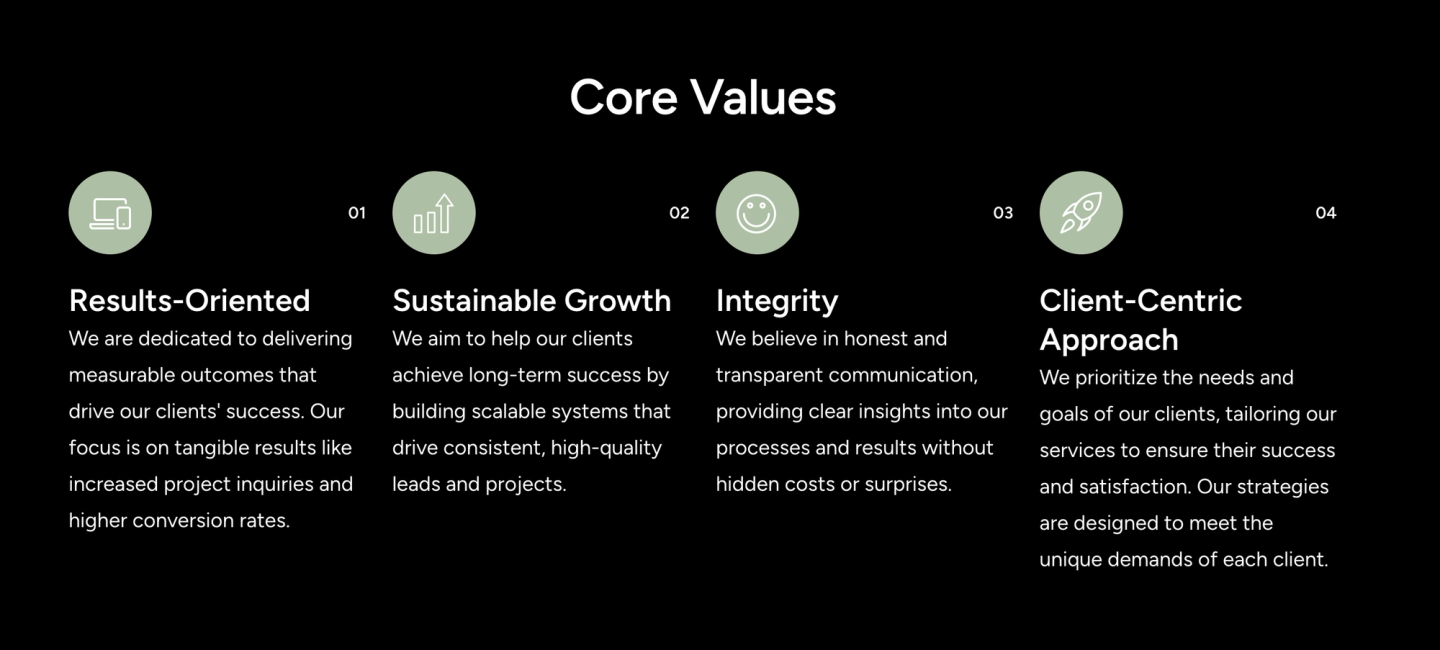
This self-knowledge helps create a sense of purpose and cohesion in your company, for one thing.
But it also, coincidentally, helps to differentiate services in a competitive marketplace.
A well-defined brand identity not only enhances visibility but also establishes trust and credibility among clients, influencing their decision-making process.
And by effectively communicating your value proposition through branding strategies, you can cultivate a lasting impression that resonates with your target audience and fosters long-term client relationships.
In today’s world, where visual appeal is paramount, architects must employ branding strategies that highlight their unique characteristics and approach to design.
For instance, they can:
- Develop a consistent visual identity, including logos and color schemes that reflect their design aesthetics.
- Create an engaging website that showcases their portfolio and tells the story behind their projects.
- Use social media platforms to share insights, project updates, and behind-the-scenes content, thereby building a connection with potential clients.
By implementing such strategies, you can convey to clients not just what you do, but also how you uniquely approach their craft.
It’s that unique approach that sets you apart.
Partnering with Non-Profit Organizations
Partnering with non-profits doubles as a strategic move and a good deed.
By lending your design expertise to causes you believe in, you get to make a positive impact on your community while also building a powerful brand.
You have an opportunity to show your commitment to social responsibility, inspire potential clients with your values, and create projects that leave a lasting legacy.
Keep in mind – people want to work with businesses that care.
By partnering with non-profits, you’re doing just that – building trust and goodwill.
Such collaborations can provide a range of benefits that go beyond the architectural realm.
- Enhanced visibility: By working with well-known non-profits, architects can gain exposure in various community networks.
- Community engagement: These projects often involve local stakeholders, providing architects with invaluable insights into community needs.
- Brand alignment: Partnering with non-profits allows architects to demonstrate their commitment to social values, which can attract like-minded clients.
In essence, these partnerships can create a win-win situation where architects elevate their brand perception and leave a lasting impact on society.
And trust us when we say that doing this sort of work is genuinely fulfilling!
Creating Eye-Catching Architectural Installations
Sometimes, effective advertising isn’t in a brochure or on the web.
Architectural installations are conversation starters, head-turners, and walking billboards for your genius.
They’re a wonderful way to plant a seed of curiosity in the minds of passersby – and they make for a bold statement, a physical manifestation of your brand, and a magnet for potential clients.
Today, when traditional advertising methods often fail to capture interest, the innovative spirit of these architectural masterpieces stands out.
They act as a bridge between art and functionality, making them an integral part of a city’s landscape.
For instance, consider the iconic Viva Las Vegas installation that draws tourists and locals alike, showcasing how effective creative design can elevate brand visibility.
Another exemplary case is the Levitated Mass in California, which transformed a large rock into a beloved public exhibit, emphasizing community engagement and thriving urban identity.
- Impact on Visibility: When installations are prominently placed in high-traffic areas, they capture the attention of commuters, providing architects a unique platform to showcase their work.
- Client Engagement: Interactive elements in installations encourage passersby to stop, learn more about the projects, and connect with the architect’s philosophy.
These installations demonstrate how architectural creativity can redefine marketing, creating a lasting impression that drives potential client engagement.
Conclusion: Importance of Strategic Advertising for Architects
Strategic advertising is vital for architects looking to enhance their market presence.
More than a pretty picture, it’s a well-crafted plan to captivate your audience, build trust, and drive growth.
By blending traditional and digital tactics, you can create a marketing symphony that resonates with your ideal client.
Architects should consider integrating various channels and mediums to maximize their outreach. This can include:
- Social media platforms to showcase projects and connect with clients.
- Email newsletters that deliver valuable content and updates.
- Networking events and industry trade shows that facilitate personal interactions.
By combining these tactics, you can create a comprehensive marketing plan that aligns with client needs while addressing market trends.
All in all, the goal is to foster engagement and loyalty, which are essential for thriving in today’s ever-evolving architectural industry.
Good luck!
And if you need any help, head on over to our services page to see how we can support you.
Frequently Asked Questions
How do architects advertise their work?
How do architects advertise their work?
Well, many architects embrace a mix of marketing strategies for architects that would make a marketing guru swoon.
From email marketing campaigns that make inboxes sing, to social media marketing for architects that turns likes into leads, effective marketing takes many different forms.
Crafting content marketing for architects is key!
Whether it’s educational content or a snazzy website content overhaul, the goal is the same: to generate leads and attract those new clients ready to hire an architect.
After all, in the business of architecture, a well-crafted marketing campaign can build brand awareness like nothing else!
What are some unique ways that architects can market their services?
In the buzzing, bustling network of architecture firms, the quest for the right marketing can feel like building a house of cards.
To attract clients, consider a blend of traditional marketing and online marketing, while leveraging lead generation services.
After all, every architect needs a solid client demand pyramid to build upon!
Why not spice things up with some public speaking gigs, showcasing your architectural services?
And don’t forget to create content that’s optimized for search engines—because who doesn’t want to be the go-to firm when someone decides to hire an architecture firm?
A well-crafted guide to marketing for architects is just the blueprint you need!
As many a co-founder of the architect marketing institute might say, and we agree – “Understanding marketing is half the battle.”
So, take the next step, spend wisely on marketing ideas, and position your firm for success.
After all, many architecture firms are just waiting to discover the right effective marketing strategy to elevate their game!
How important is having an online presence for architects?
In the digital age, having an online presence is essential for architects.
Without a solid architecture marketing strategy, your architectural firm might as well be a beautifully crafted paperweight! It’s all about business development—if you’re not optimized for search engines, potential clients won’t find you.
Search engine optimization is the real MVP in attracting new clients.
So, whether you’re starting out or looking to refresh your brand, it’s time to create your marketing plan. Showcase your architectural projects and let your design style shine!
Note – marketing content isn’t just another form of marketing; it’s a way to establish trust and highlight your unique selling points in the field of architecture.
If you’re ready to hire an architecture firm, you want to know they’ve got the chops to deliver good architecture.
Spend on marketing wisely to ensure your firm is different and stands out.
After all, everyone loves a good story—especially when it’s about your architecture business and the new work you’ve accomplished!
So if you’re feeling a bit lost, don’t worry; we all need some help sometimes.
A clever marketing approach can make all the difference in establishing trust with clients and showcasing their interest in your services.
How can networking help architects advertise their services?
In the bustling world of architectural business, networking isn’t just a trendy cocktail party; it’s a masterclass in business development.
When you collaborate with other professionals, each connection becomes an opportunity to showcase your unique value proposition.
After all, clients are ready to hire someone who resonates with your audience.
By employing different strategies like sharing content that resonates or showcasing your portfolio, you can enhance your visibility and expand your reach.
With building information modeling in your toolkit, you’ll not only gain recognition and credibility but also trust and hire a loyal clientele looking to grow!
What role does a strong portfolio play in advertising for architects?
In the realm of advertising for architects, a strong portfolio is like a well-designed building—without it, clients might just walk away.
It showcases successful architecture and highlights how your firm is different, making potential clients envision their dream spaces.
Moreover, it’s a magnet for collaborations with other professionals, turning your content into a symphony of creativity.
The more captivating the content you create, the more likely you are to establish lasting relationships with clients who appreciate your unique vision.
Are there any budget-friendly advertising options for architects?
Absolutely!
Architects can market their firm in a different way without breaking the bank.
Think social media: a few clever posts can attract clients while establishing your brand.
Plus, who knew a well-placed lawn sign could generate more buzz than a fancy billboard?
Cost-effective creativity is the name of the game!