The housing crisis is meeting the climate crisis, and energy efficient prefab homes are emerging as the answer to both.
Architects can struggle to sell sustainability.
Other times, it’s the very thing that clients are seeking them out for.
But when energy efficient prefab homes started cutting energy bills by 60% while slashing construction time in half, the marketing angle shifted from idealism to economics.
Of course, you want to align your brand with your own philosophies.
Clients will detect inauthenticity in a second, especially those after sustainability.
But energy-efficiency is another angle that also just so happens to be sustainable.
And almost anybody loves the idea of not being shocked at the end of the winter by yet another mammoth energy bill.
What’s the right marketing approach for energy efficient prefab homes?
Here’s our take.
Why Energy Efficient Prefab Homes Are Rewriting Building Standards
Manufacturing prefabricated home components in climate-controlled environments reduces waste and speeds up construction compared to site-built alternatives.
Energy efficient prefab homes are more efficient than standard homes, according to recent industry measurements.
Our marketing strategies for architecture firms increasingly focus on this transformation.
Energy efficient prefab homes aren't just about green building.
They're about homes that cost dramatically less to operate while delivering superior comfort.
The monthly utility bill is your client’s reminder of why they chose prefab.
The indoor air quality is another.
The Passive House Revolution in Prefab Construction
Passive house buildings certified to the standard are ultra-low energy and typically require very little energy for space heating or cooling.
In the United States, they achieve space-heating intensity around 1 British thermal unit per square foot per heating degree day, compared to 5-15 for code-built homes.
The savings are significant.
And energy efficient prefab homes increasingly adopt these passive house principles.
Modern energy efficient prefab homes tend to be extremely airtight and energy-efficient, with growing numbers of manufacturers designing to LEED and Passive House standards.
When developing content marketing for architects specializing in sustainable prefab, we emphasize measurable outcomes.
Clients want verifiable performance data, not just efficiency claims.
Factory Precision Meets Energy Performance
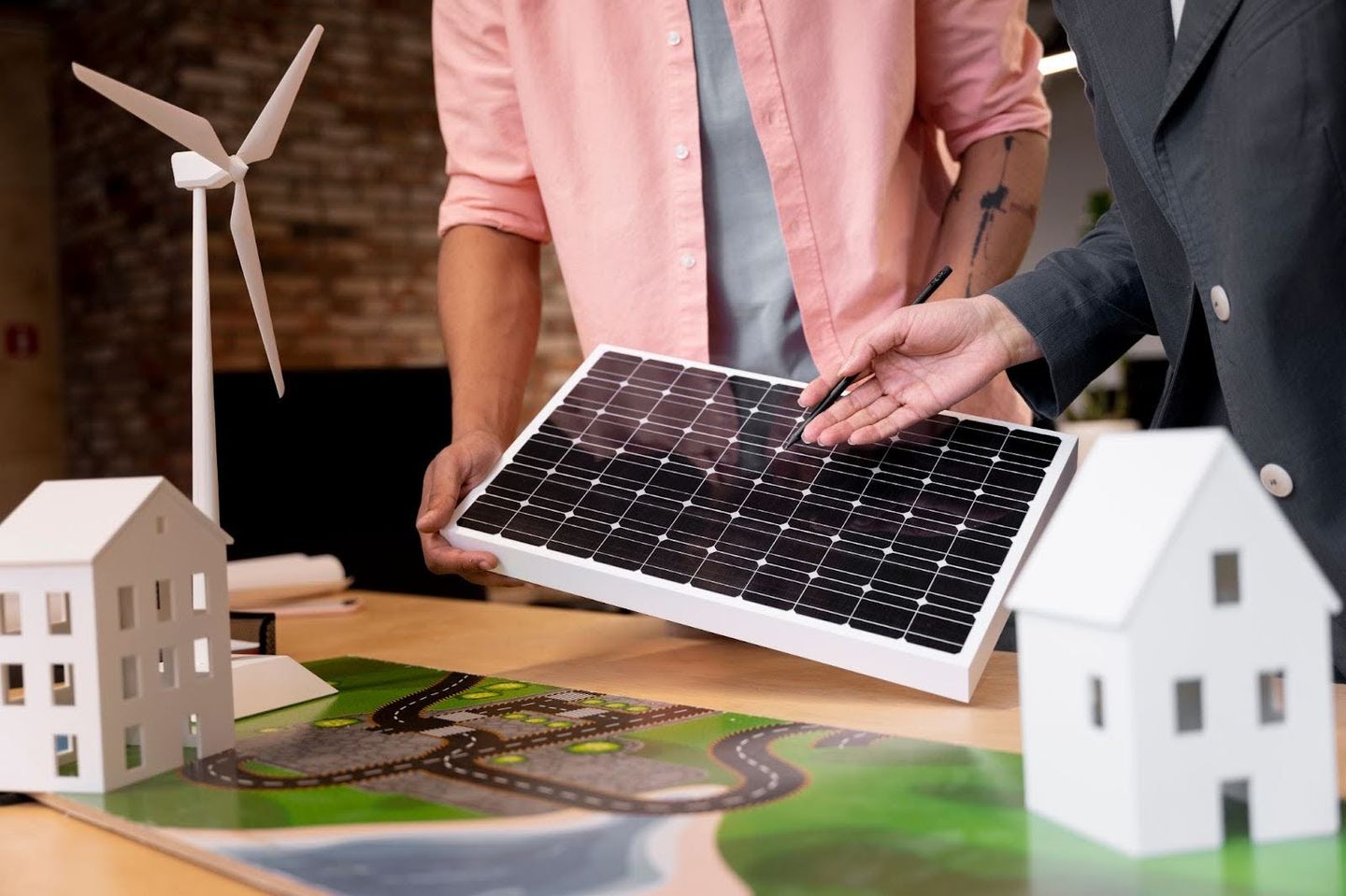
Climate-controlled factory environments allow for a level of precision that’s borderline (if not entirely) impossible to find on construction sites.
This precision directly translates to energy performance.
Every seal is tested, and every junction is verified.
Modern energy efficient prefab homes are airtight, requiring very little energy to keep cool or warm.
Energy efficient prefab homes integrate heat recovery ventilation systems that maintain fresh air circulation while preserving thermal comfort.
The factory environment removes weather variables, and components arrive on-site pre-tested and ready for assembly.
The energy performance is built-in, not hoped-for.
Our digital marketing strategies for architecture firms help translate these technical advantages into compelling client narratives.
The Economic Reality of Energy Efficient Prefab Homes
Just 3% of all single-family homes in the United States were factory-made as of 2024, according to National Association of Home Builders data.
But that percentage is climbing as economics favor efficiency.
The US prefabricated housing market is expected to grow at a 5.8% compound annual growth rate through 2033, reaching $60 billion.
Unity Homes prefab houses range from $300,000 to $900,000, while the U.S. Department of Energy offers financing programs specifically designed for energy efficient prefab homes.
With all this information in mind, it makes sense that what should be foregrounded in any marketing of energy efficient prefab homes is a combination of upfront costs and lifecycle economics.
Bonus points if you can draw your audience into the experience here.
In your building process, what might that look like?
What costs does it curb, and what possibilities does it open up?
Marketing Energy Performance: Beyond Green Washing
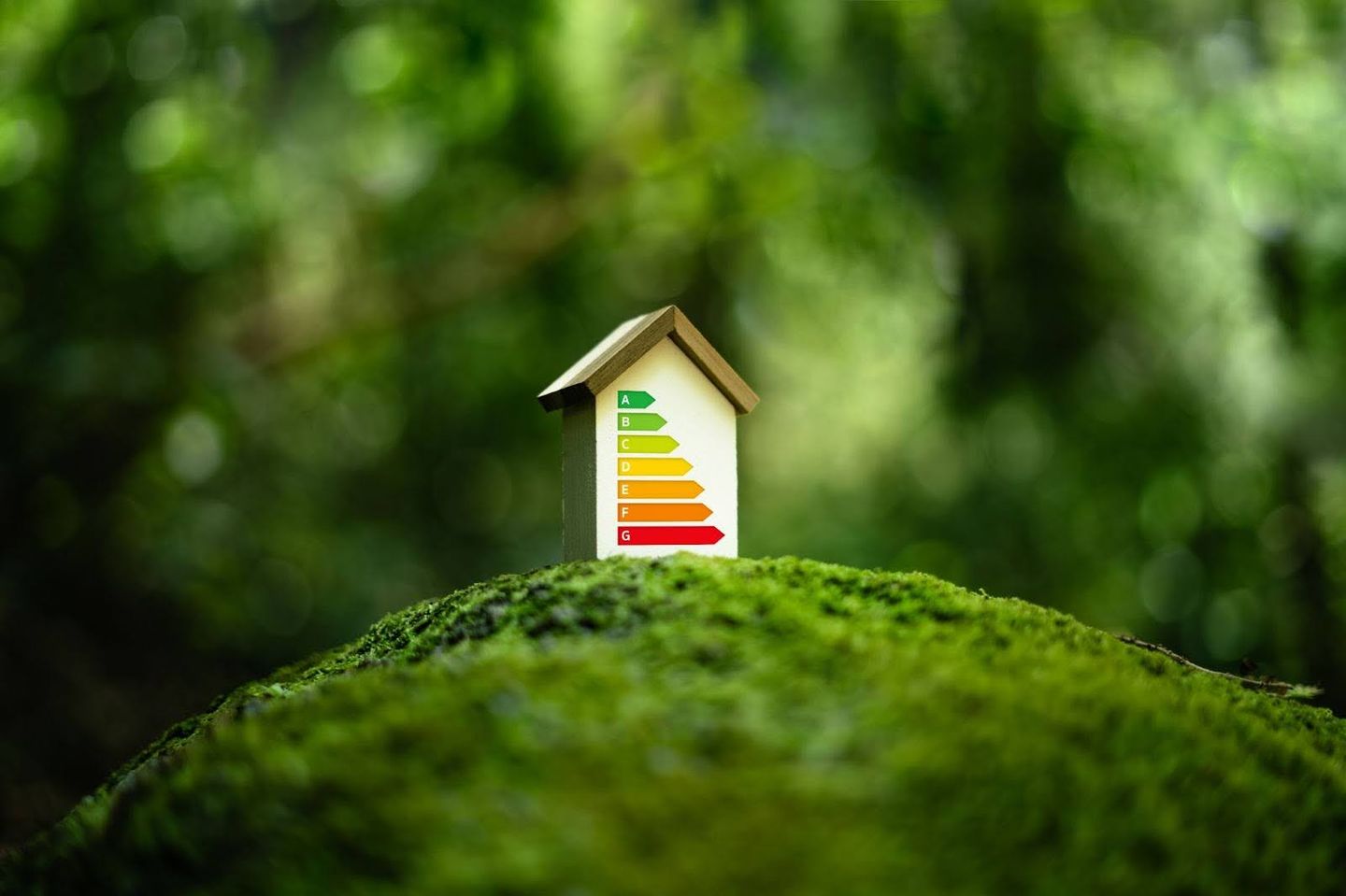
Whether you’re on Instagram, email marketing, or taking prospective clientson tours, it’s always wise to focus on concrete metrics.
Things like monthly utility costs, HERS scores, payback periods, indoor air quality measurements, and thermal imaging comparisons.
One client is going to love the eco-friendly angle.
Another is going to care more about the curbed utility costs.
When prospects see $40 monthly energy costs for a 2,000 square foot home, the whole focus can shift.
These real-world experiences matter more than technical specifications.
Marketing services for architects should prioritize testimonials that capture daily living benefits alongside energy performance.
You never know what may land; and it may be a combination of both.
Regional Adaptation and Scale
Energy efficient prefab homes must respond to local climate conditions.
In Sweden, 45% of homes use offsite construction methods, and Japan builds 15-20% of new homes using modular methods.
Our architecture marketing strategies emphasize regional customization.
Energy efficient prefab homes aren't mass production.
They're customization on a larger scale.
That’s the distinction that makes sense to make clear.
The principles scale to commercial applications.
Research from gb&d Magazine documents multi-family developments, schools, and healthcare facilities achieving similar performance gains.
And I know of an organization that installed a four-unit townhome development in Los Gatos, California in just three days.
The commercial architect market increasingly demands prefab solutions.
Our marketing accounts for this growing sector precisely because it’s steady on the horizon.
Financing and Installation Advantages
The U.S. Department of Energy provides comprehensive guidance on loan programs.
These include FHA-insured loans, VA programs, USDA Rural Housing loans, and conventional mortgages.
State and utility incentives bring their own share of value too.
And the ENERGY STAR rebate finder can be super helpful in identifying available programs.
Prefab homes have drastically reduced build times.
We’re talking weeks instead of months.
Now, so much of the design is done ahead of time before walls, windows, and doors are assembled in the factory, with on-site assembly possible in days.
After breaking ground, a six-week period before move in is starting to become more and more plausible.
Of course, no one wants a rush job, so some extra time is usually necessary for a good job.
But the timeline compression is real.
And one homeowner we know recounted how, “friends building traditional homes were still dealing with weather delays” when their own energy efficient prefab home had just been done and dusted.
Durability and Performance
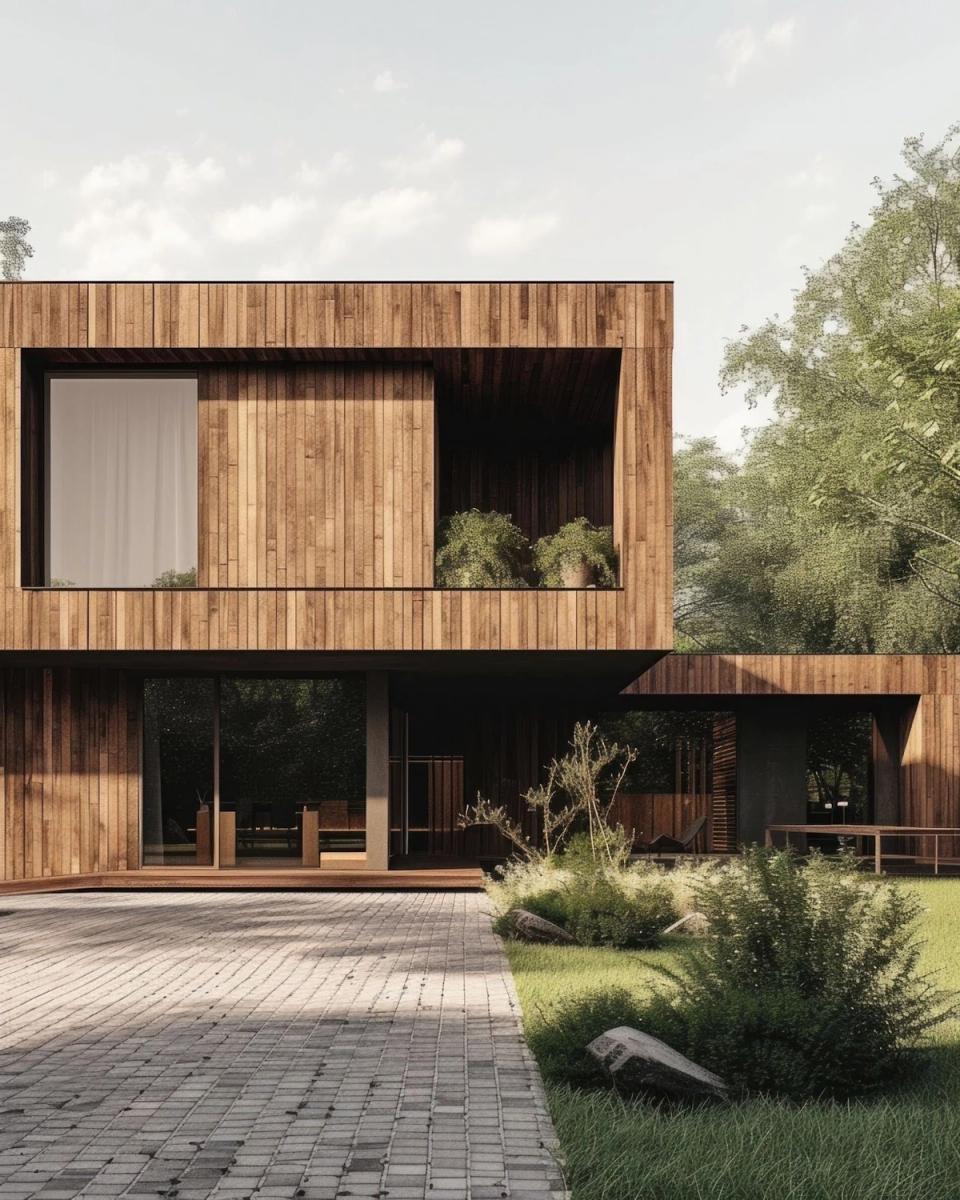
Factory quality control catches issues impossible to identify on active construction sites.
And the Phius organization has noted that certified passive buildings demonstrate remarkable resilience during extreme weather events.
This certainly creates flexibility.
For instance, we know someone who built an entirely off-grid home in Southern Maine powered by rooftop solar and batteries.
The home is so well-insulated that minimal supplemental heat is required.
It’ll last throughout the winter, built for hurricanes and snowstorms.
And it’ll survive the summer heat borderline unscathed too.
That client landed up burning 30 gallons of diesel last winter as backup.
That’s hundreds of gallons less than typical Maine homeowners.
"We have no power bill, no fuel bill," he tols us.
He now just has to pay for internet and property taxes.
The upfront investment pays dividends every month.
Your Next Step
Energy efficient prefab homes are architecture's most practical path to sustainability at scale.
They offer factory precision, verified performance, reduced costs, and faster delivery.
Here at MYA, we've helped plenty of firms position themselves at the forefront of these trends in a way that dovetails with exactly who they are and how they work.
Whether you're designing modern prefab houses, developing modular home floor plans, or pioneering net-zero communities, we understand how to translate technical innovation into market leadership.
If you’re ready to market energy efficient prefab homes that actually perform, feel free to call us and get in touch.
Or you can explore our comprehensive services and discover how we transform technical excellence into client confidence.