Modern Building Materials: Architecture's Love Letter to Nature
There’s a pulse of life in what we call modern building materials, though perhaps that phrase fails to capture the alchemy at work.
We stand at a peculiar junction where mushroom roots can be insulation, where carbon fiber threads lighter than spider silk hold up entire facades, and where glass can even breathe like skin.
In the workshops and studios where we collaborate with architects, we've witnessed something:
Materials that dissolve the ancient argument between nature and structure, between sustainability and beauty.
In today’s post, we’re exploring how these materials are redefining the conversation between buildings and the world they inhabit, between the craftsperson's hand and tomorrow's possibilities.
The Memory of Materials
Modern building materials carry stories we're only beginning to read.
Take hempcrete, for example.
This is a mixture of hemp hurds and lime that feels almost alive when you work with it.
There’s a house I know in Colorado that uses hempcrete.
Here, the walls literally purify the air, pulling carbon from the atmosphere year after year.
Research from the Journal of Cleaner Production shows that hempcrete can sequester up to 307 kg of CO2 per cubic meter over its lifetime.
Yet what strikes us most about marketing these sustainable solutions is how the numbers fade beside the tactile reality:
The way these walls regulate humidity naturally, creating spaces that breathe with their inhabitants.
Glass That Thinks
We've entered an era where glass does more than separate inside from outside.
How?
Electrochromic glass.
It tints on command or in response to sunlight.
And it’s developments like these that spark meditations on transparency itself.
At MYA, we’re inclined to embrace these sorts of innovations, especially after having seen facades that shift from crystal clear at dawn to deep blue at noon.
It’s a beautiful, deliberate transition, working the way a photographer adjusts aperture, and profoundly impacting the experience of the space inside.
This may not seem like it matters much.
But after experiencing a first summer day without blinds, without glare, with light that feels edited rather than blocked, the effect is visceral.
When we develop marketing materials showcasing electrochromic glass installations, we've learned that video content performs exceptionally well.
Time-lapse footage showing the glass transitioning throughout the day can generate as much as three times more engagement than static images.
This is the kind of insight we share with firms looking to highlight their use of smart materials in their portfolio.
The Lightness of Building
Carbon fiber came in and changed everything.
Where steel demanded weight and concrete insisted on mass, carbon fiber is full of dynamic possibilities.
We've seen luxury homes where entire cantilevers float on carbon fiber bones, defying gravity with a material five times stronger than steel yet lighter than aluminum.
And carbon fiber composites can achieve strength-to-weight ratios impossible just a generation ago.
Translating this into architectural marketing strategies means helping people understand that modern building materials like these don't just solve engineering problems but actually enable architectural dreams that physics previously forbade.
One fabricator I know of makes carbon fiber staircases that seem to hover, each step a mere inch thick yet capable of supporting hundreds of pounds.
"People always tap them with their knuckles first because they can't believe something so thin could hold them,” he told me.
This tactile disbelief presents a unique marketing opportunity.
We encourage architects to create interactive experiences, virtual or in-person, where potential clients can 'feel' the impossibility of these materials.
Touch tours and material libraries have become powerful tools in our marketing toolkit for firms specializing in advanced composites.
Mycelium Networks and Living Insulation
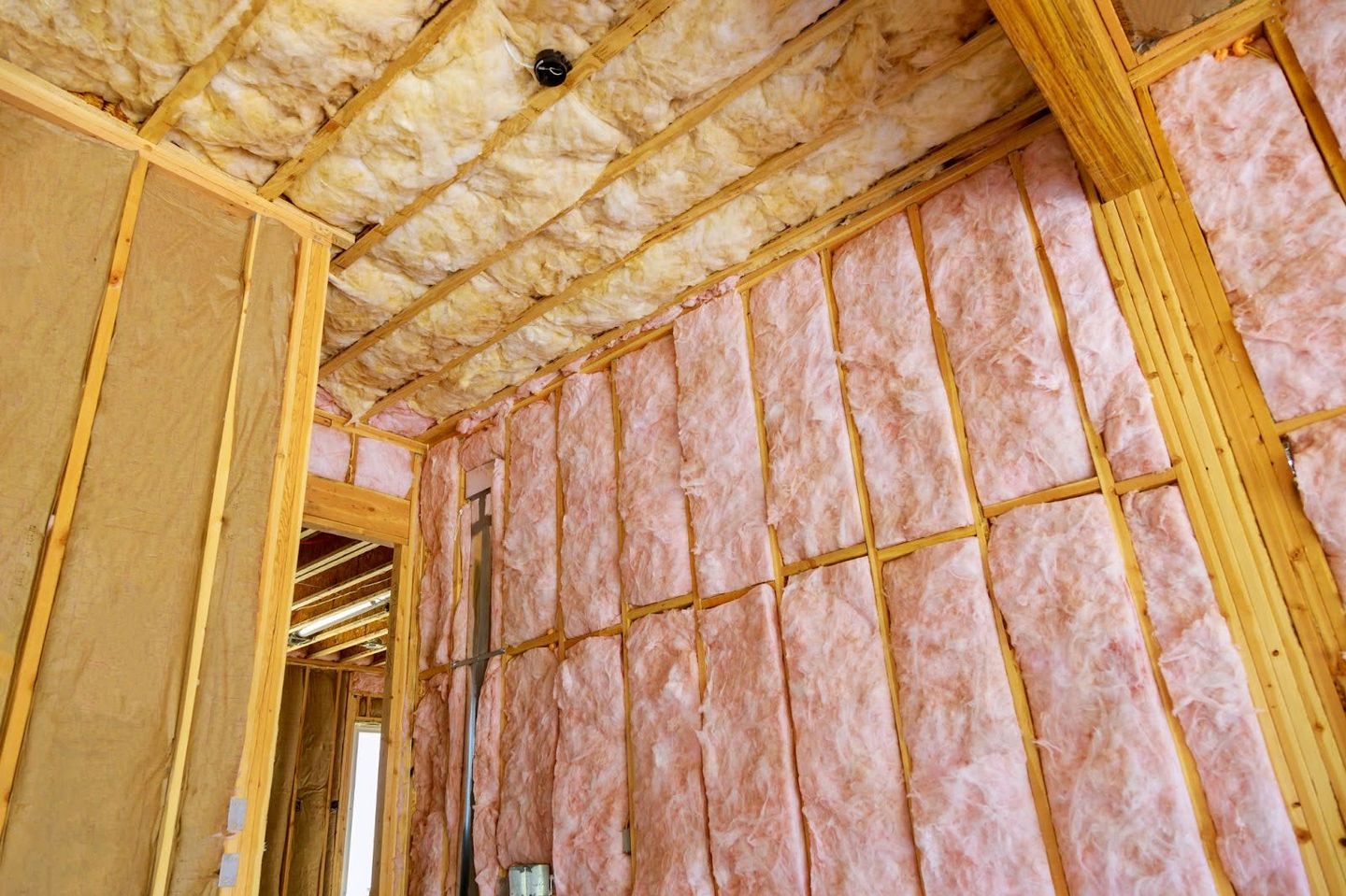
Perhaps nothing exemplifies the poetic potential of modern building materials quite like mycelium, the root structure of mushroom, grown into insulation panels.
We've held these panels, light as foam yet dense with possibility, knowing they'll return to soil at their life's end without a trace of toxicity.
Mycelium-based materials can replace petroleum-based foams while offering superior fire resistance and acoustic properties.
But when we develop content marketing for architects and contractors around these materials, we try to focus on something else:
The strange beauty of buildings that are partially alive, and the reassurance that you’re working with sustainable resources.
In our experience marketing these bio-based materials, we've found that transparency about the growing process, literally showing clients how their insulation started as agricultural waste, creates an emotional connection that technical specifications alone never could.
Translucent Concrete and the Magic of Opacity
Litracon, concrete shot through with optical fibers, shouldn't exist.
What I mean is, concrete is supposed to be heavy, opaque, protective.
Yet, here we have walls that glow with shadowy light, that show silhouettes of movement on their opposite side.
These walls make modern building materials feel less like construction and more like installation art.
Working with firms on their digital marketing strategies, we've found that translucent concrete captures imagination precisely because it throws all expectations out the window.
Aerogel, or Solid Smoke
Hold aerogel insulation and you're holding 99.8% air, the lightest solid material ever created, with insulation properties that seem to mock physics.
Handling aerogel panels can demand something approaching reverence.
This is material that NASA uses to insulate Mars rovers, and it’s now finding its way into modern architectural applications.
And of course, it has big practical benefits.
Aerogel insulation can be 2-4 times more effective than traditional materials while adding virtually no weight to structures.
For marketing to architects, this means discussing buildings that achieve Passivhaus standards without thickness, windows that insulate like walls while remaining transparent.
The Return of Earth

Rammed earth is ancient, yet also, quite suddenly, modern.
And it’s a steady example of how modern building materials are coming full circle.
But today's rammed earth incorporates precise engineering, stabilizers that prevent erosion, and colors that gradient like geological time itself.
We've worked on marketing campaigns that have featured rammed earth projects where each wall is unrepeatable and patterns are formed by compression that could never be exactly replicated.
Rammed Earth Works reports that properly constructed rammed earth walls can last over 1,000 years while providing thermal mass that naturally regulates interior temperature.
Marketing rammed earth works well using a kind of process storytelling.
In other words, a focus on documenting the construction itself becomes as valuable as the finished product.
For instance, wield behind-the-scenes content showing the earth being compressed, the layers forming, turning construction into performance art that clients find mesmerizing on social platforms.
Bamboo and Flexibility
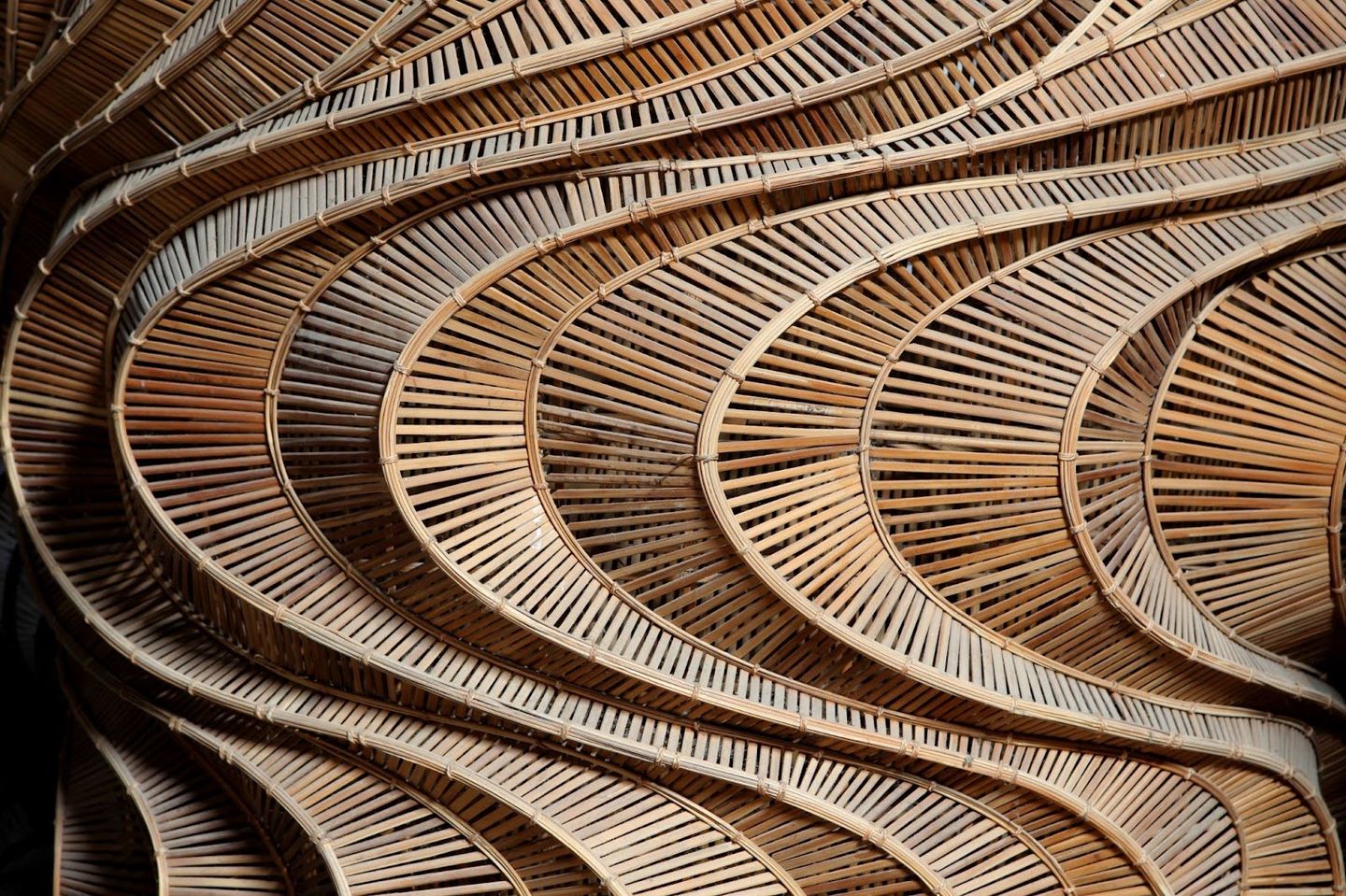
Engineered bamboo has shed its tropical hut associations to become one of the most sophisticated modern building materials available.
Laminated, pressed, and treated, it rivals steel in tensile strength while bending like a dancer.
The International Network for Bamboo and Rattan documents that bamboo can be harvested every 3-5 years versus 20-50 for timber, while sequestering more carbon per hectare than many forests.
But what catches our attention is bamboo's ability to survive earthquakes that would shatter rigid structures, with flexibility as strength, movement as stability.
Self-Healing Concrete and Building Resilience
Bio-concrete embedded with limestone-producing bacteria sounds like science fiction.
And yet, we've touched walls that seal their own cracks.
They’re real!
And these modern building materials mean that architecture can age like wine without deteriorating in a whole new way.
Marketing These Ethereal Modern Materials
The challenge when marketing isn't just explaining what these materials do.
It's also helping clients envision living with them, touching them, experiencing them daily.
This requires an pivot in how we approach architectural marketing, moving from feature lists to sensory narratives.
Capturing the essence of modern building materials in marketing strategies for architecture firms means throwing out traditional construction photography.
We work with firms to create content that captures the unexpected, from the way morning frost clings differently to titanium dioxide-coated surfaces that clean themselves, to the sound rain makes on copper that will patina for decades.
It’s one thing to document buildings as objects and share that with the world.
But another way forward (and a more compelling one at that!) is to document them as experiences.
Show your clients how light moves through spaces at different hours, how materials age, how they respond to seasons.
The material you work with defines your brand in ways you may not yet have considered.
And you never know what little detail will speak to a client’s idiosyncratic tastes.
The magic, this time, is in the details.
Where Material Meets Message
A major challenge in promoting modern building materials lies in bridging the gap between technical capability and human experience.
We've found success in creating narratives that begin with touch, with the coolness of graphene-enhanced surfaces, the unexpected softness of cork-based acoustical panels.
Social media can be a space for architects to reveal these intimate moments with materials, using time-lapse videos of phase-change materials responding to temperature, macro photography of bio-based composites that look like abstract art, sound recordings of rain on different roof materials.
But beyond the usual channels, at Market Your Architecture, we understand that modern building materials deserve marketing as innovative as the materials themselves.
Our comprehensive playbook helps architects and builders translate material innovation into compelling narratives that resonate with clients seeking the extraordinary.
Get in touch, and let's explore how we can help you tell the story of tomorrow's architecture, today.