Are you a fan of traditional Tudor style but also love modern design trends? If so, you’ll be fascinated by the evolution of Modern Tudor interior design.
This article delves into the history and inspiration behind this unique aesthetic, highlighting the key elements that make it so appealing. From the use of natural materials to incorporating dark wood accents ~and ornate details, Modern Tudor design offers a perfect blend of elegance and timelessness.
If you’re looking to create a warm and cozy atmosphere in your home while still embracing contemporary elements, read on to discover how to incorporate Modern Tudor design into your own space.
Key Takeaways:
Incorporating modern elements into traditional Tudor design creates a unique and timeless aesthetic. Natural materials, dark wood accents, and ornate details are key elements in modern Tudor interior design. Combining traditional and contemporary pieces, maximizing natural light, and utilizing open floor plans are essential in creating a modern Tudor atmosphere.
The History and Inspiration Behind Modern Tudor Design
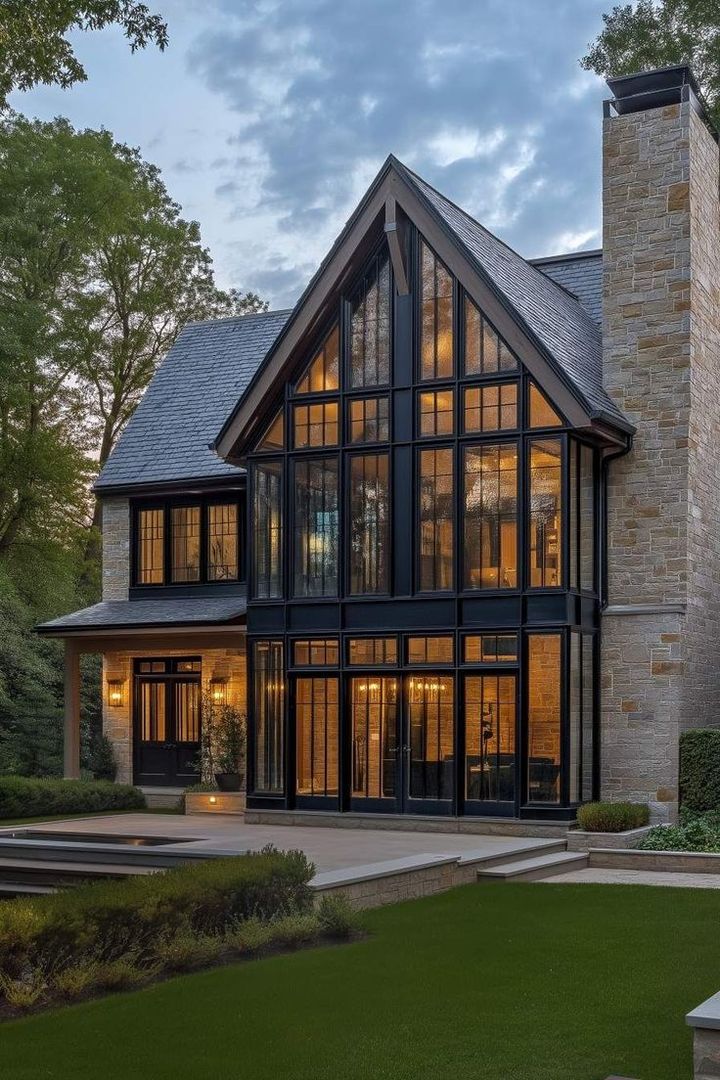
Modern Tudor design draws its inspiration from the rich history of traditional Tudor architecture, characterized by steeply pitched gable roofs, intricate half-timbering, and a harmonious blend of brick, cultured stone, and stucco facades. This style, deeply rooted in English heritage, was initially popularized in the late medieval period and has evolved into a modern variant that seamlessly integrates contemporary elements while retaining its historic character.
How Traditional Tudor Style Influenced Modern Design
Traditional Tudor style has greatly influenced modern design by preserving its historic architectural elements while adapting to contemporary lifestyles.
One of the key characteristics of Tudor architecture is the use of exposed wooden beams, a feature that continues to be integrated into modern homes, giving them a sense of timeless charm and character. The intricate leaded glass windows commonly found in Tudor buildings have inspired contemporary designs, with modern interpretations utilizing sleek lines and geometric patterns to create a fusion of old and new. The classic use of arched doorways in Tudor homes adds a touch of elegance that is still sought after in current architectural trends, blending seamlessly with the clean lines and open spaces of modern living spaces.
Incorporating Modern Elements into Tudor Design
Incorporating modern elements into Tudor design involves a thoughtful blend of contemporary styles with traditional architectural features.
For instance, in a Tudor home, implementing an open floor plan can create a sense of spaciousness and flow, while still respecting the historical layout. Sleek materials such as glass, metal, and concrete can be carefully integrated to juxtapose the traditional timber beams and intricate stonework. This harmonious fusion of old and new adds a dynamic and visually striking dimension to the interior. By carefully selecting furniture and decor that complement both eras, the overall design achieves a unique and sophisticated balance, emphasizing the rich history of the Tudor style while embracing contemporary sensibilities.
Key Elements of Modern Tudor Interior Design
Key elements of modern Tudor interior design include the use of natural materials, dark wood accents, ornate details, and a neutral color palette that collectively create a distinctive and timeless style.
Use of Natural Materials
The use of natural materials such as wood and stone is a hallmark of modern Tudor interior design, bringing warmth and authenticity to the home.
Along with wood and stone, other commonly used natural materials in Tudor interiors include brick, clay tiles, and exposed beams. These materials not only add a rustic charm but also provide durability and low maintenance, making them ideal for long-lasting design elements.
The rich textures of these natural materials create a cozy and inviting atmosphere, while also contributing to the historical aesthetic that defines Tudor style homes. The earthy tones and organic patterns of these materials complement the traditional furniture and decorative elements typically found in Tudor interiors.
Dark Wood Accents
Dark wood accents are a defining feature of modern Tudor design, adding a touch of elegance and depth to the interiors.
Whether it’s sturdy beams crisscrossing the high ceilings or intricate paneling adorning the walls, dark wood brings warmth and character to a Tudor-style home. The rich hues and natural grains of the wood often contrast beautifully with lighter-colored walls and ceilings, creating a visually striking effect.
Along with architectural elements, furniture pieces such as dining tables, chairs, and cabinets crafted from dark wood continue the theme throughout the living spaces. These pieces not only provide functionality but also add a sense of timelessness and sophistication to the overall design.
Ornate Details and Textures
Ornate details and textures are integral to modern Tudor design, enhancing the visual appeal and character of the home.
The intricate carved woodwork seen in many Tudor-style interiors showcases skilled craftsmanship and attention to detail. Each piece tells a story of tradition and elegance, adding depth to the overall aesthetic.
Decorative moldings further elevate the design, creating a sense of grandeur and sophistication. When combined with textured finishes like stucco walls or distressed wood floors, these elements transport inhabitants to a bygone era, evoking a feeling of timelessness and charm.
Neutral Color Palette
A neutral color palette is often employed in modern Tudor design to create a serene and sophisticated atmosphere.
This neutral color palette typically includes soft shades of ivory, beige, taupe, and gray, which provide a sense of calm and timelessness.
These colors serve as a versatile backdrop for both traditional Tudor elements like exposed wooden beams and stone accents, as well as more contemporary furnishings and decor.
The subdued hues help to highlight the intricate architectural details often found in Tudor homes, while also allowing for pops of color through accents like artwork, textiles, and accessories.
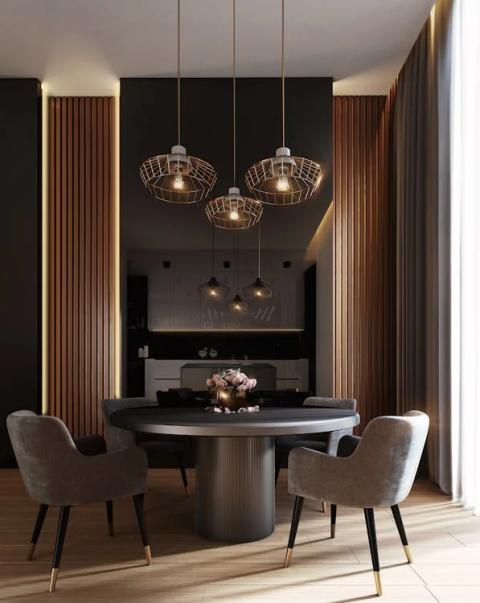
Creating a Modern Tudor Aesthetic
Creating a modern Tudor aesthetic involves a delicate balance of combining traditional Tudor elements with contemporary design principles to achieve a cohesive and stylish home environment.
Combining Traditional and Contemporary Pieces
Combining traditional and contemporary pieces is a key strategy in creating a modern Tudor aesthetic.
For instance, placing a sleek, minimalist sofa alongside a vintage wooden coffee table can add an interesting contrast to the space. Mixing in antique chairs with clean-lined dining tables can create a dynamic and visually appealing dining area. Incorporating a traditional chandelier in a room with modern furnishings can evoke a sense of sophistication and elegance.
It’s essential to achieve a balance and harmony in your decor to ensure that the diverse styles blend seamlessly. Utilizing a neutral color palette throughout the space can help unify the different elements, while using textures and materials strategically can add depth and dimension to the design.
Maximizing Natural Light
Maximizing natural light is crucial in modern Tudor design to create a bright and inviting space.
One effective technique for enhancing natural light in a modern Tudor design is through the use of large windows. By incorporating windows that allow ample sunlight to filter into the space, you can instantly uplift the ambiance and make the room feel more spacious and airy.
Another strategy is to consider installing glass doors that not only serve as functional elements but also help in maximizing the entry of natural light. Glass doors can create a seamless transition between indoor and outdoor spaces while flooding the interior with sunlight.
The strategic placement of mirrors can play a significant role in amplifying the natural light within a modern Tudor home. Mirrors reflect light and create the illusion of a brighter and more expansive environment, enhancing both the aesthetic appeal and functionality of the space.
Utilizing Open Floor Plans
Utilizing open floor plans is a modern approach in Tudor design that promotes a sense of spaciousness and connectivity within the home.
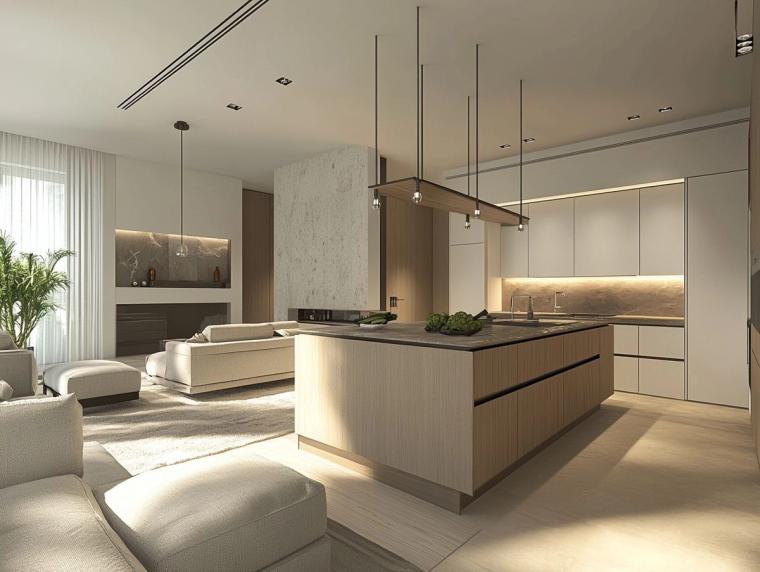
By eliminating barriers between the living room, dining area, and kitchen, open floor plans create a seamless flow that enhances social interactions and fosters a welcoming ambiance. The abundance of natural light that filters through the interconnected spaces helps to brighten the entire home and create an inviting atmosphere.
To maintain the traditional character of a Tudor home while embracing an open layout, consider incorporating classic architectural elements such as exposed beams, stone fireplaces, and intricate woodwork. These features can add warmth and charm while preserving the historical charm of the property.
Benefits of Modern Tudor Interior Design
The benefits of modern Tudor interior design extend beyond aesthetics, offering elegance, timelessness, a warm and cozy atmosphere, and flexibility in design.
Elegance and Timelessness
Modern Tudor interior design is renowned for its elegance and timelessness, making it a preferred choice for many homeowners.
One of the hallmark features of modern Tudor design is the incorporation of intricate woodwork, such as exposed beams, paneling, and ornate moldings. These details add a sense of craftsmanship and tradition to the space, creating a warm and inviting atmosphere. Additionally, stained glass windows are often found in Tudor-style homes, casting a colorful and ethereal light into the interior. The use of rich, earthy tones like deep greens, warm browns, and creamy whites further enhances the cozy and luxurious feel of the design.
Warm and Cozy Atmosphere
A warm and cozy atmosphere is a hallmark of modern Tudor interior design, creating inviting and comfortable living spaces.
One of the key elements contributing to this ambiance is the use of rich and earthy materials such as aged wood, stone, and wrought iron, which add a sense of history and character to the space. The color palette often features warm tones like deep reds, forest greens, and mustard yellows, evoking a sense of warmth and tradition.
The choice of furnishings in modern Tudor design plays a crucial role in enhancing comfort. Plush upholstery, ornate detailing, and well-crafted furniture pieces help to create a cozy and inviting atmosphere where one can relax and unwind.
Flexibility in Design
Flexibility in design is a significant benefit of modern Tudor interiors, allowing homeowners to personalize and adapt their living spaces to suit their preferences.
One notable customizable design element in modern Tudor homes is the use of wood paneling, which can be stained or painted in various colors to match different aesthetic preferences. The layout of rooms can be easily modified to create open-concept living spaces or more defined areas for specific functions, providing versatility for different household needs.
- For instance, the inclusion of built-in bookshelves can add a touch of traditional charm while also serving a functional purpose, but these can be adjusted in size and style to accommodate modern decor or personal collections.
- The choice of lighting fixtures, such as chandeliers or sconces, can also be tailored to enhance the overall ambiance and style of the space, whether it be more classic or contemporary.
How to Incorporate Modern Tudor Design in Your Home
Incorporating modern Tudor design in your home requires careful selection of the right furniture and decor, adding architectural details, and possibly working with a professional designer to achieve the desired look.
Choosing the Right Furniture and Decor
Choosing the right furniture and decor is essential in bringing modern Tudor design to life in your home.
The modern Tudor style is characterized by a mix of traditional and contemporary elements, so it’s important to strike a balance in your selection. Opt for pieces that feature clean lines, sleek finishes, and a touch of elegance. For furniture, consider incorporating dark wood pieces like a statement dining table or a grand canopy bed. Accessorize with decorative trims and intricate patterns on upholstery to add a traditional touch. Mix in metal accents for a contemporary flair, such as a brass chandelier or stainless steel hardware.
Adding Architectural Details
Adding architectural details such as wood beams, arched doorways, and decorative moldings can significantly enhance the modern Tudor design in your home.
These intricate elements not only add character and charm but also create a sense of history and craftsmanship in the space. For instance, incorporating stained glass windows can bring in natural light while adding a touch of elegance.
- Ornate wrought iron fixtures and accents can further enhance the Tudor style, lending a medieval-inspired feel to the interiors.
- Exposed brick walls or stone fireplaces provide a rustic warmth that complements the overall aesthetic.
Additionally, cross-hatched patterns on ceilings or walls mimic traditional Tudor timber framing, adding depth and visual interest.
Working with a Professional Designer
Working with a professional designer can help you effectively incorporate modern Tudor design into your home, ensuring a cohesive and well-executed aesthetic.
A professional designer brings expertise and fresh perspectives to your project. They can offer innovative solutions to design challenges and help you avoid costly mistakes. By collaborating with a designer, you have access to a network of trusted suppliers and contractors, streamlining the renovation process.
- When selecting a designer, look for someone with experience in modern Tudor interiors. Check their portfolio to ensure their style aligns with your vision.
- Communication is key when working with a designer. Be clear about your preferences, budget constraints, and timeline expectations right from the start.
Frequently Asked Questions
What is modern Tudor interior design?
Modern Tudor interior design is a style that combines traditional Tudor elements, such as dark wood paneling and intricate details, with modern features and materials. It is a blend of old-world charm and contemporary aesthetics.
What are the key elements of modern Tudor interior design?
Some key elements of modern Tudor interior design include exposed wood beams, stone or brick accents, arched doorways, and rich, dark colors. Other important features include intricate carvings, textured fabrics, and decorative lighting fixtures.
How can modern Tudor interior design be incorporated into a home?
Modern Tudor interior design can be incorporated into a home by using elements such as wood paneling, wainscoting, and rustic furniture. Adding touches of rich colors, like deep reds and blues, can also add to the overall Tudor aesthetic.
What are the benefits of modern Tudor interior design?
Modern Tudor interior design can add a sense of warmth and coziness to a space, while also incorporating modern elements for a more updated look. It also allows for flexibility in design, as traditional and contemporary styles can be blended together.
What are some common misconceptions about modern Tudor interior design?
One common misconception about modern Tudor interior design is that it can only be used in traditional or older homes. However, this style can also be incorporated in newer homes to add character and charm. Another misconception is that it has to be dark and heavy, but it can also be light and airy with the right balance of elements.
How can modern Tudor interior design benefit architects and designers?
Modern Tudor interior design can benefit architects and designers by offering a unique and sought-after style for clients. It allows for creativity and experimentation, while also appealing to those who appreciate both traditional and modern elements in their home design.