How to Market Sustainable and Modern Modular Homes
Home construction is making strides toward the future, and sustainable modular housing is no exception.
Uniting modern construction approaches and sustainable practices, they address both environmental challenges and housing shortages.
So many clients value both these things, so it's worth knowing the ins and outs of modern modular homes in case you want to incorporate them into your architectural offerings.
That's something the MYA team—hint hint—believes would be an excellent idea!
So, in this article, we'll cover their unique benefits and explore ways to effectively market your modern modular architecture.
Key Takeaways:
- Sustainable modular housing offers a more eco-friendly and cost-effective alternative to traditional housing, with faster construction time, design flexibility, and customizable options.
- Highlighting the benefits and features of sustainable modular housing, such as lower environmental impact and adaptability, through content marketing and influencer partnerships can be an effective way to market it.
- Digital marketing, including email marketing and interactive web experiences, partnering with sustainable brands, and collaborating with architects and designers are effective strategies for marketing sustainable modular housing.
What Is Sustainable Modular Housing?
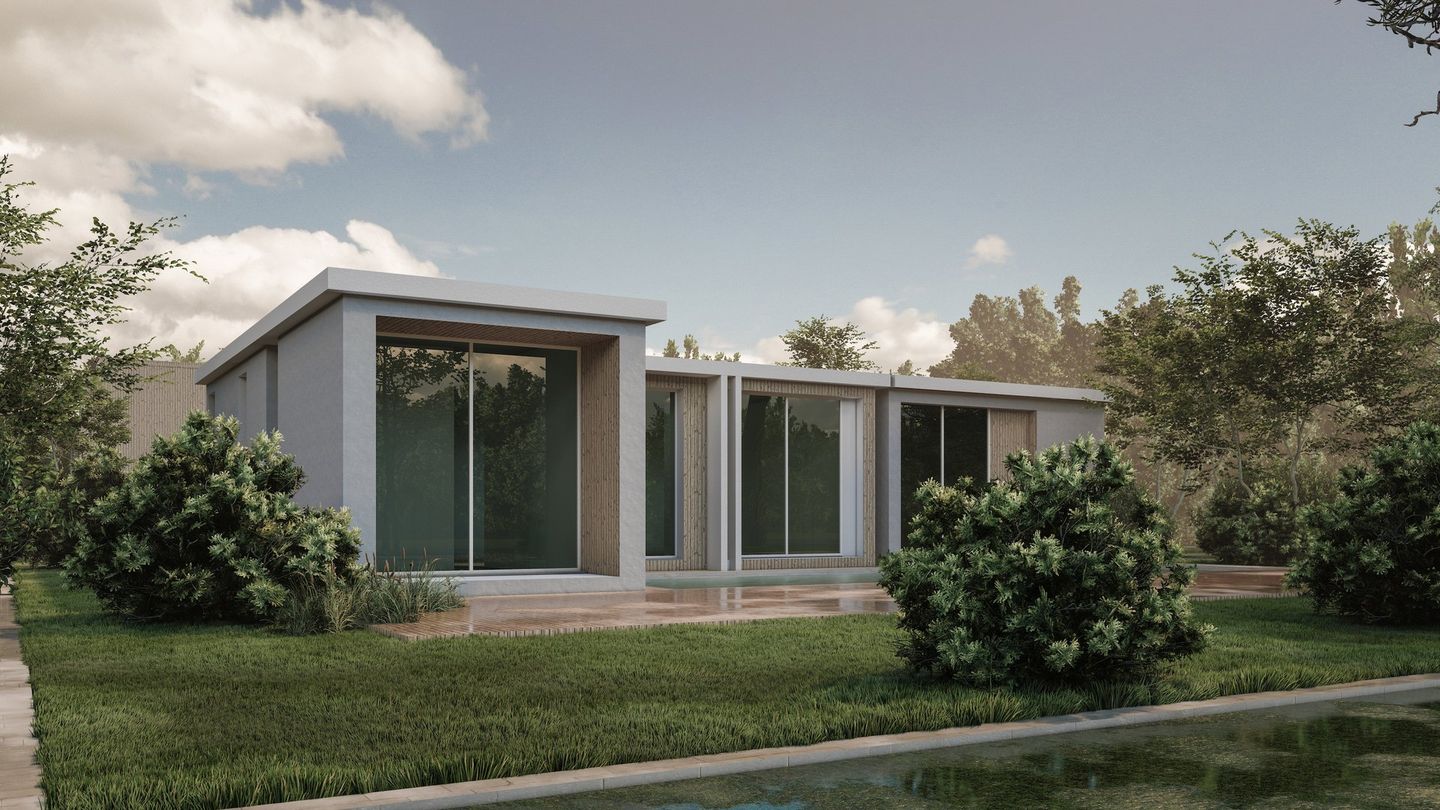
Sustainable modular housing pertains to prefabricated homes or modular homes designed with a focus on environmental sustainability.
They use sustainable materials and incorporate energy-efficient features.
Of course, this has environmental benefits, which clients appreciate.
But lesser known are the very many quality-of-life benefits this entails as well, which we'll explore shortly.
All in all, there are a multitude of reasons why this style of housing has been so popular—and formed such a large part of the housing market.
In fact, in 2024, it become a $50 billion industry in the United States alone!
And that number is expected to double in the coming years.
So, you definitely shouldn't be sleeping on prefab homes anymore.
A few common eco-friendly elements:
- Renewable energy systems
- Smart themostats
- Energy-saving appliances
Plus, they're an excellent affordable housing option that can be whipped into luxurious shape with customizable magic!
That's why they're commonly referred to as innovative housing solutions.
In fact, they just might be setting a new precedent for future developments in the real estate sector.
To read more about modular housing trends, you might want to check out this previous MYA article.
Why Is Sustainable Modular Housing Important?
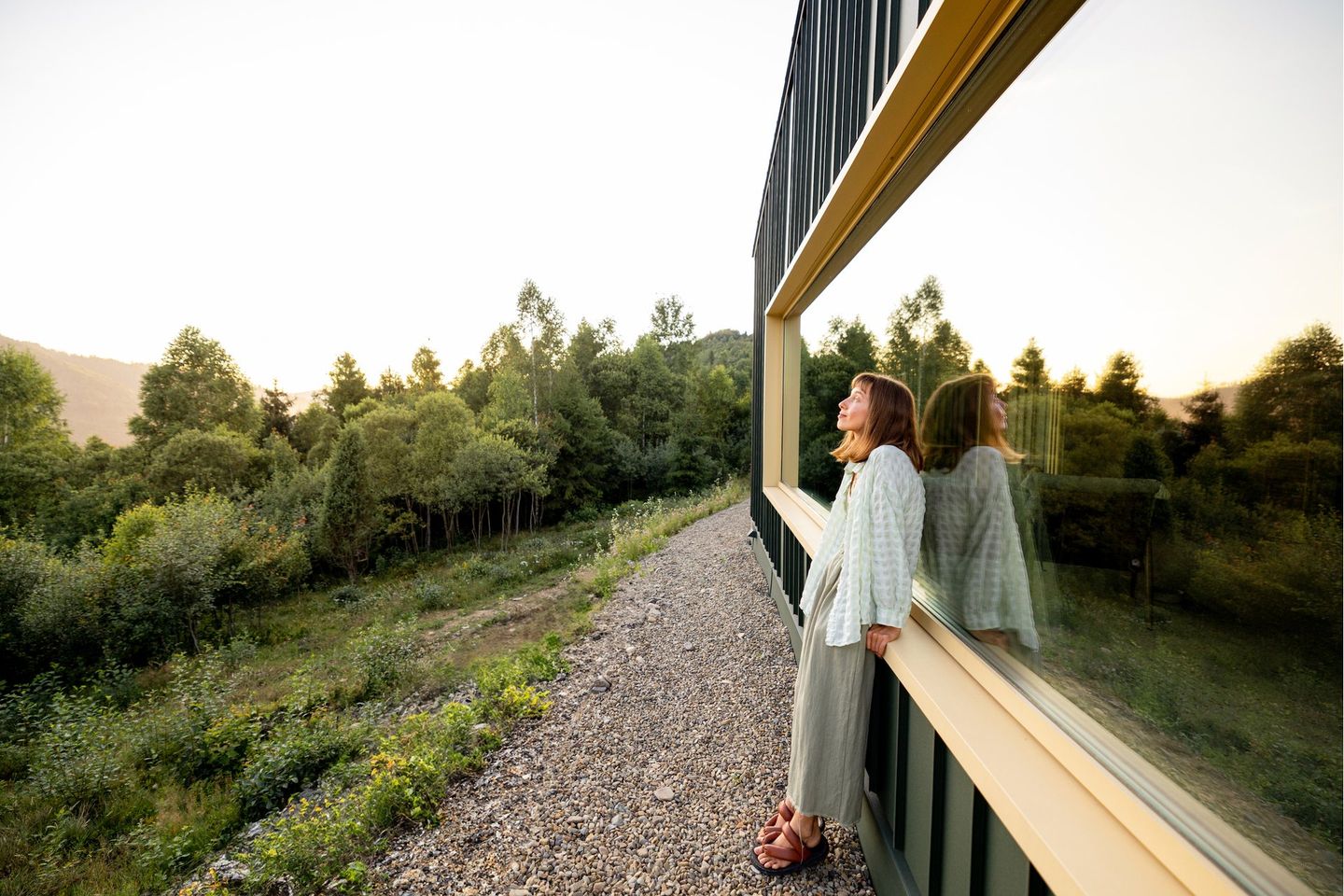
There's an abundance of reasons here, but we'll recap some of the main reason sustainable modular housing is so important.
This housing addresses a host of critical cotemporary issues, including:
- Environmental sustainability
- Construction waste management
- Increasing demand for affordable and efficient living solutions
- Reduced carbon waste
They use sustainable materials and innovative technologies.
And in doing so, they effectively reduce the carbon footprint associated with traditional residential construction.
It's no surprise that this responsible approach to building is appealing to many clients.
The appetite for eco-friendly living is just continuing to grow, after all.
In our experience, homebuyers are after options that reflect a commitment to sustainability, and that's what makes these modular homes such an attractive, long-term choice.
In short, you can think of them as a forward-thinking solution that meets the urgent need for both environmental stewardship and contemporary living expectations.
What Are The Benefits Of Sustainable Modular Housing?
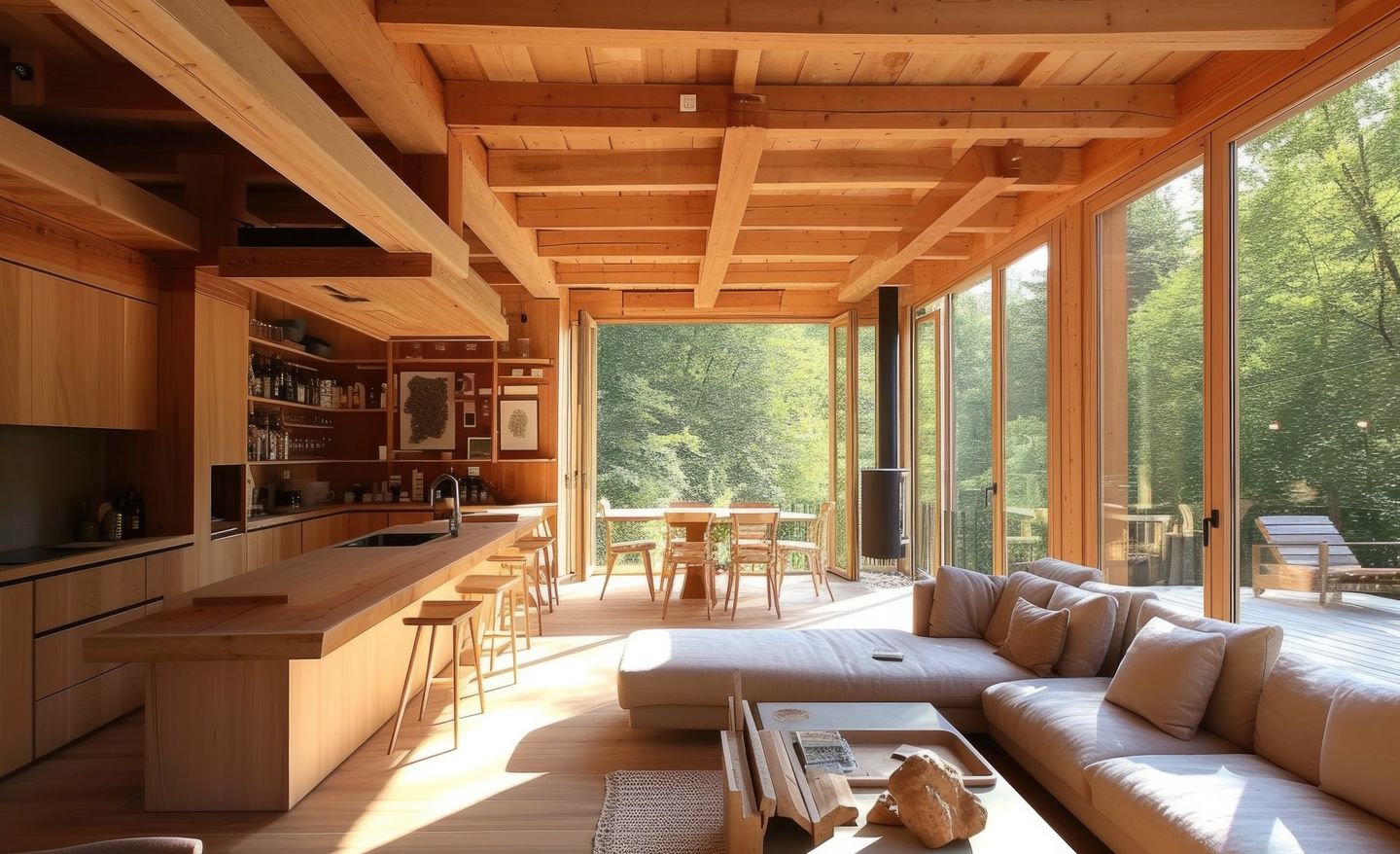
Significant and appealing benefits abound with sustainable modular housing.
This is particularly true in terms of environmental impact, energy efficiency, cost-effectiveness, and customization options.
They minimize the carbon footprint typically associated with traditional construction methods.
They also enable a faster return on investment by lowering energy costs and shortening construction time.
And a major plus for clients—the customizable designs allow easy tailoring to a client's specific needs.
Sustainability and flexibility are at the core of this design!
And it's also quite trendy thanks to its minimalist design.
Let's unpack some of these perks in greater detail.
Lower Environmental Impact and Water Conservation
One of the primary advantages of sustainable modular housing is its reduced negative environmental impact.
As we've already explored, the use of sustainable materials and innovative construction practices decrease construction waste and lower the carbon footprint.
What's more, by prioritizing eco-friendly features, such as energy-saving appliances and renewable energy systems, they contribute to a more sustainable future.
This happens in a number of ways in turn—including enhanced water conservation and energy-efficiency.
From the client perspective, they're uniformly addressing the increasing concerns regarding environmental degradation and climate change.
That's appealing to many a demographic, right?
On top of this, sustainable modular homes frequently employ materials that are not only renewable but also sourced locally, which greatly minimizes transportation emissions.
Recycled materials and non-toxic finishes like low-VOC paints are becoming increasingly common, ensuring that both the interior and exterior of the homes positively impact the environment.
And in terms of material selection, the design of these modular units often features efficient insulation and rainwater harvesting systems.
The result?
Even further reduced energy consumption and enhancing sustainability!
Respect for the planet is becoming more stylish and comfortable than ever before.
Cost-Effective
Sustainable modular housing tends to be more cost-effective than traditional housing options.
This is mostly because of its energy efficiency and a streamlined construction process that reduces both labor and material costs.
The reduction in housing prices also makes these homes an attractive option in various markets to many, many clients.
No only is waste curbed but so are expenses!
What client won't love the idea of reduced utility bills with some help from high-quality insulation, energy-efficient appliances, and advanced heating and cooling systems (including HVAC systems)?
This is beneficial to just about anyone—not just those clients with major environmental concerns.
There's also the fact that manufacturers can assemble homes in a controlled environment, which helps minimize weather-related delays.
And on top of all this, using prefabricated elements also reduces waste, driving down construction costs.
Affordable housing solutions and sustainability really do go hand-in-hand here.
And as a result, these housing options effectively meet the rising demand for green living and cost-effective shelter, positioning themselves as a practical answer to the current housing crisis.
Faster Construction Time
In our minds, one of the major advantages of sustainable modular housing is the significantly faster construction time compared to traditional building methods.
This is super helpful for architects and clients alike!
Homes can often be completed in just a few weeks instead of several months.
And this efficiency can be largely attributed to the controlled construction process, which minimizes delays commonly associated with weather and labor shortages.
This is all thanks to the off-site assembly approach of modular homes, where components of the home are constructed in a factory setting.
Effectively, the building process is separated out from the more unpredictable site conditions we all know and love.
We've all had to deal with those pesky weather-related interruptions, and now you don't have to worry so much!
Plus, quality control measures are integrated throughout the production process, so on-site assembly can often take place concurrently with site preparation.
This method also reduces waste during construction—so it's a vastly more efficient process overall.
What's the benefit for your clients?
Well, they can anticipate fewer construction delays and lowered costs.
Not too shabby!
Customizable and Adaptable Modular Homes
This is the fun part.
Modular homes have an impressive level of customization and adaptability.
So, clients get a unique level of control and a chance to design their living spaces according to their unique lifestyles and preferences.
You can also curate your offerings with ease, depending on your client base.
Perhaps you want to tailor them to include smart living technologies, such as energy-efficient systems and advanced home automation features.
Easy breezy!
Maybe your clients are keen to participate in the design process so that it truly reflects their specific needs and aspirations.
You'll be able to distinguish yourself by offering that too.
For example, families might choose expandable layouts that adapt as their needs change, while young professionals could prioritize compact, multifunctional spaces that make the most of urban living.
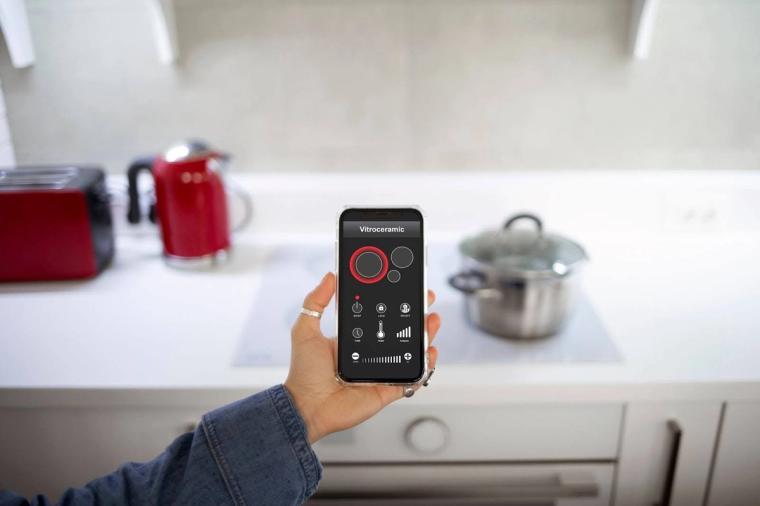
And of course, incorporating cutting-edge technologies, such as smart thermostats and renewable energy solutions, can be alluring.
- Smart home automation allows for remote management of energy usage.
- Energy-efficient HVAC systems contribute to reduced consumption and lower costs.
- Modular designs make it easy to upgrade as technology evolves.
This level of personalization can create that sense of ownership that almost guarantees client satisfaction.
How To Market Eco-friendly Housing and Modular Homes?
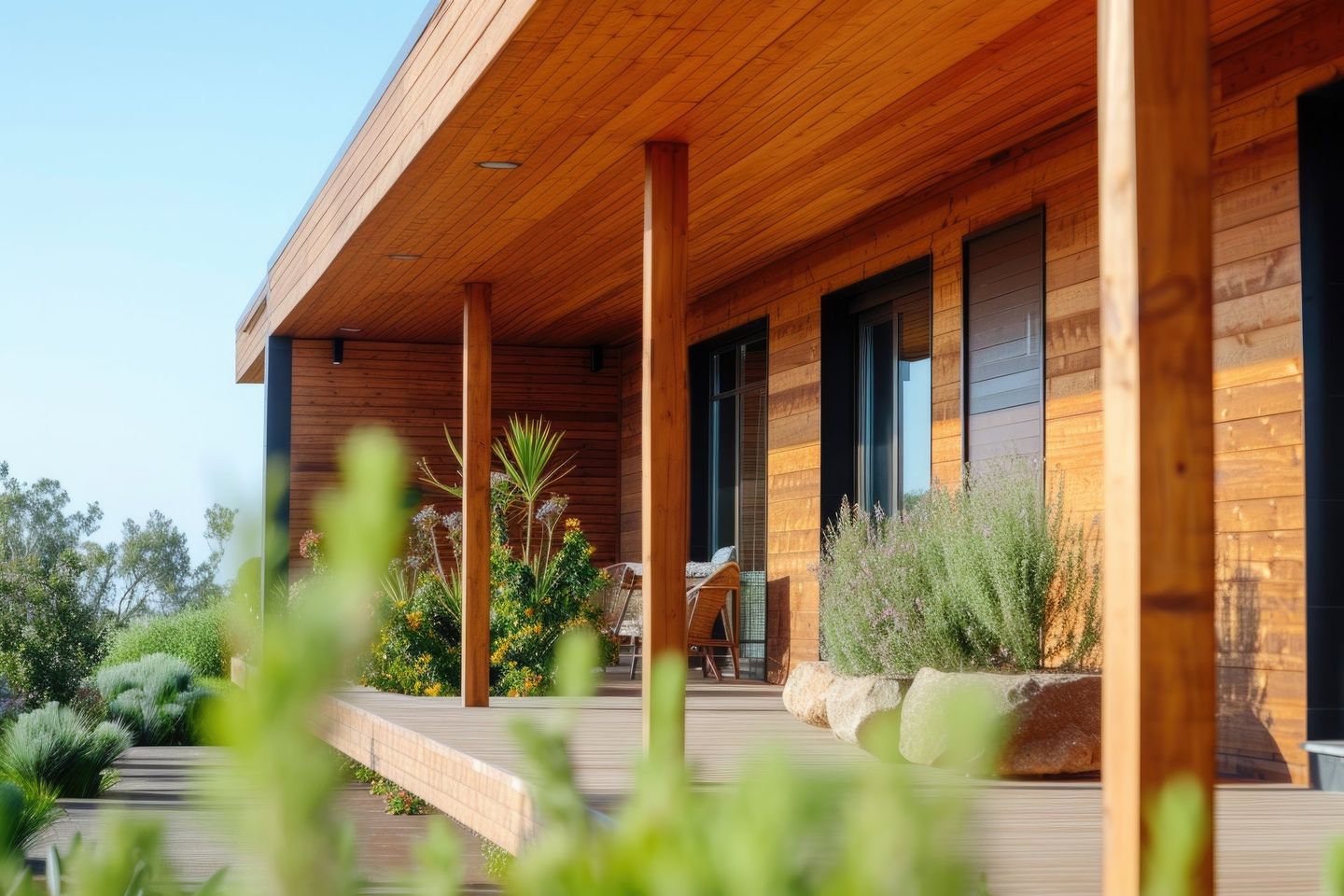
So, with all these benefits in mind, how can you go about marketing sustainable modular homes as part of your offerings?
If you know what we preach at MYA by now, then you'll know we always recommend a combination of the following:
- Digital marketing strategies.
- Social media platforms
- Collaboration
- High-quality visuals.
You may also want to dip your toe in the waters of customer testimonials as you create engaging content as part of your marketing efforts.
Focus on online visibility and enhancing your brand credibility, and you'll manage to set yourself apart through these unique offerings in a competitive housing market.
And keep in mind who you're speaking to.
In this case, your target audience likely prioritizes sustainability, customization, flexibility, and cost savings.
Use Digital Marketing
We've said it before and we'll shout it from the rooftops again—digital marketing is crucial!
It's a super effective means of making sincere contact with your audience through online platforms.
These platforms have a huge reach, so if you're under a rock on this one, you won't be staying afloat in a competitive market.
Targeted content marketing strategies can help you nurture leads and transform interested buyers into homeowners.
SEO best practices are your best friend here.
You can also use social media to share vivid, informative digital storytelling experiences that resonate with your audience in meaningful ways.
In short, though, we recommend a mixture of tactics.
The MYA team will always fiercely advocate for a comprehensive digital marketing strategy that spans various channels.
For instance, SEO can enhance search engine rankings while at the same time driving organic traffic to property listings.
This is essential for showcasing the unique designs and benefits of modular homes, which your clients may not yet know about.
Content marketing is equally important, as it provides valuable information through blogs, infographics, and videos that demonstrate perks, like the sustainability of modular buildings.
On top of this, sharing case studies and testimonials can help your credibility while demonstrating the positive impact of these homes on the environment.
You can also nurture your audience through email campaigns.
A targeted ad campaign featuring engaging imagery and highlighting expected energy savings could also appeal, especially to eco-conscious buyers.
Through a healthy combination of these strategies, you can really cultivate a longlasting, solid community that values sustainability in housing.
You can grow this community even more and extend your reach further with collaborations—whether with smart home device manufacturers or social media influencers.
Don't be afraid to get creative and think outside the box, as that's what will set you apart.
And just remember—authenticity is key.
It's really is our most flavorful secret ingredient!
Highlight the Benefits and Features of Sustainable Modular Housing
Of course, highlighting the benefits to get your clients in the know is key.
We hope that this article has been helpful in providing some information on how to do that!
You can also explore the rest of our blog for further insights about the perks of modular homes.
But in short, just be sure to really explain to your audience the many eco-friendly attributes of sustainable modular homes.
You can touch on their energy efficiency, energy-efficient HVAC systems, and the overall value that these homes provide.
The options are endless—and so, content marketing material is not hard to come by!
To enhance your marketing efforts, be sure to incorporate engaging visuals that highlight the aesthetics and functionality of sustainable modular homes.
For example, using before-and-after photos can vividly demonstrate the transformation into an energy-efficient living space.
By tailoring these messages to resonate with the values and aspirations of modern buyers, you can drum up all the interest you need to market your offerings well.
Experience Virtual Tours that showcase the innovative design and functionality of modular homes.
Frequently Asked Questions
What is sustainable modular housing?
Sustainable modular housing refers to prefabricated homes designed with environmentally friendly materials and energy-efficient systems.
These homes are constructed in sections, allowing for quick assembly and reduced waste during the building process.
One of the main advantages of this approach is the ability to choose the location where the homes will be placed, providing flexibility in urban and rural settings alike.
Once the components arrive on-site, they can be rapidly assembled, minimizing the disruption to the surroundings.
This method not only promotes sustainability but also enhances affordability, making it an attractive option for those seeking eco-conscious living solutions.
As a result, sustainable modular housing is gaining traction in the modern real estate market.
How can I market sustainable modular housing?
Marketing sustainable modular housing requires a focus on the benefits of modular construction.
Highlight how prefab homes offer a practical solution for environmentally conscious buyers.
These sustainable homes are designed to minimize waste and use eco-friendly materials, making them an attractive option for those seeking green homes.
Additionally, emphasize the convenience of modular construction in various locations and how they can be easily assembled on-site.
This flexibility allows for quicker construction and long-term savings, appealing to buyers who value efficiency.
By showcasing the advantages of sustainable homes, you can effectively attract a growing market interested in eco-friendly living solutions.
Why should I consider marketing sustainable modular housing?
Considering marketing sustainable modular housing is a smart choice for several reasons.
Modular homes offer a unique blend of efficiency and eco-friendliness.
Built off-site in a factory setting, modular homes are built to precise specifications, reducing waste during construction and ensuring consistency in quality.
Additionally, modular homes provide modern solutions that appeal to today’s buyers.
Many modular homes can incorporate solar panels and smart home technology, enhancing energy efficiency and convenience.
These modern homes can be tailored to fit the specific needs of a home site, making it more affordable and accessible for various demographics.
What are the advantages of marketing sustainable modular housing?
Marketing sustainable modular housing presents a unique opportunity for home manufacturers to meet the growing demand for environmentally friendly living solutions.
They often consist of two or three bedrooms or even one bedroom and one bathroom, making them versatile choices for families and individuals alike.
By using prefab design, builders can ensure that prefab homes are built in a controlled environment, allowing for greater efficiency and reduced waste.
This sustainable building method minimizes on-site construction time, as components are prefabricated in a factory and then transported to the desired location.
This approach not only lowers construction costs but also leads to homes that produce less than 5% waste during the building process.
Ultimately, the solution that offers both sustainability and modern living is a home that reflects the values of today’s environmentally conscious consumers, particularly in the realm of passive house standards and modular and prefab housing options.
How can I showcase the sustainability of modular housing in my marketing?
Showcasing the sustainability of modular homes in your marketing can effectively attract potential buyers looking for their dream home.
Highlight the benefits of green building practices, emphasizing that modular homes are a sustainable choice for those interested in eco homes.
Focus on the modern design aspects of prefab modular homes and how they align with the growing trend of tiny home living.
Use visuals of bamboo living homes and pre-designed homes to illustrate the aesthetic appeal and eco-friendliness of your offerings.
Additionally, educate your audience on how prefab homes provide a shorter construction time compared to traditional home building.
You can also discuss the efficiency of prefab techniques and how they lead to less waste and lower environmental impact.
All together, this approach will enhance the overall home buying experience while promoting a commitment to sustainability.
What are some effective marketing strategies for sustainable modular housing?
Effective marketing strategies for sustainable modular housing should highlight the unique benefits of prefab and modular homes.
These homes, designed to be the home of your dreams, offer customizable floor plans that cater to individual needs.
Emphasizing modern modular homes as a solution for home living can attract environmentally conscious buyers looking for net zero energy options.
Unlike traditional construction, which can involve extensive delays, modular homes typically feature reduced construction time and are often assembled on-site for quicker occupancy.
Additionally, marketing should focus on the eco-friendly aspects of prefab homes, such as their ability to minimize material waste and integrate sustainable features like green roofs.
By showcasing how prefab and modular techniques lead to homes on a budget, your marketing message can resonate with a broader audience looking for affordable yet stylish manufactured homes as an alternative to site-built homes or traditionally built homes.