Marketing Sustainable Prefab Homes Effectively
Prefab homes are a wonderful, sustainable, and innovative housing solution that we're excited to be sharing more about on our blog at the moment.
In today's post, we'll clarify what prefab homes are and explore their environmental benefits.
And of course, knowing their perks and understanding their target audience is pretty much a requirement if you want to market them well.
So, let's dive into the fascinating world of sustainable prefab homes!
Key Takeaways:
- Highlight the benefits of sustainable prefab homes, such as energy efficiency, cost savings, and environmental benefits, to attract potential buyers.
- Understand your target audience and their values, priorities, and pain points in order to tailor your marketing strategy for sustainable prefab homes effectively.
- Use digital marketing techniques, including social media, content marketing, email marketing, and search engine optimization (SEO), to reach a wider audience and reveal your unique selling points and strong brand identity.
What are Prefab Homes?
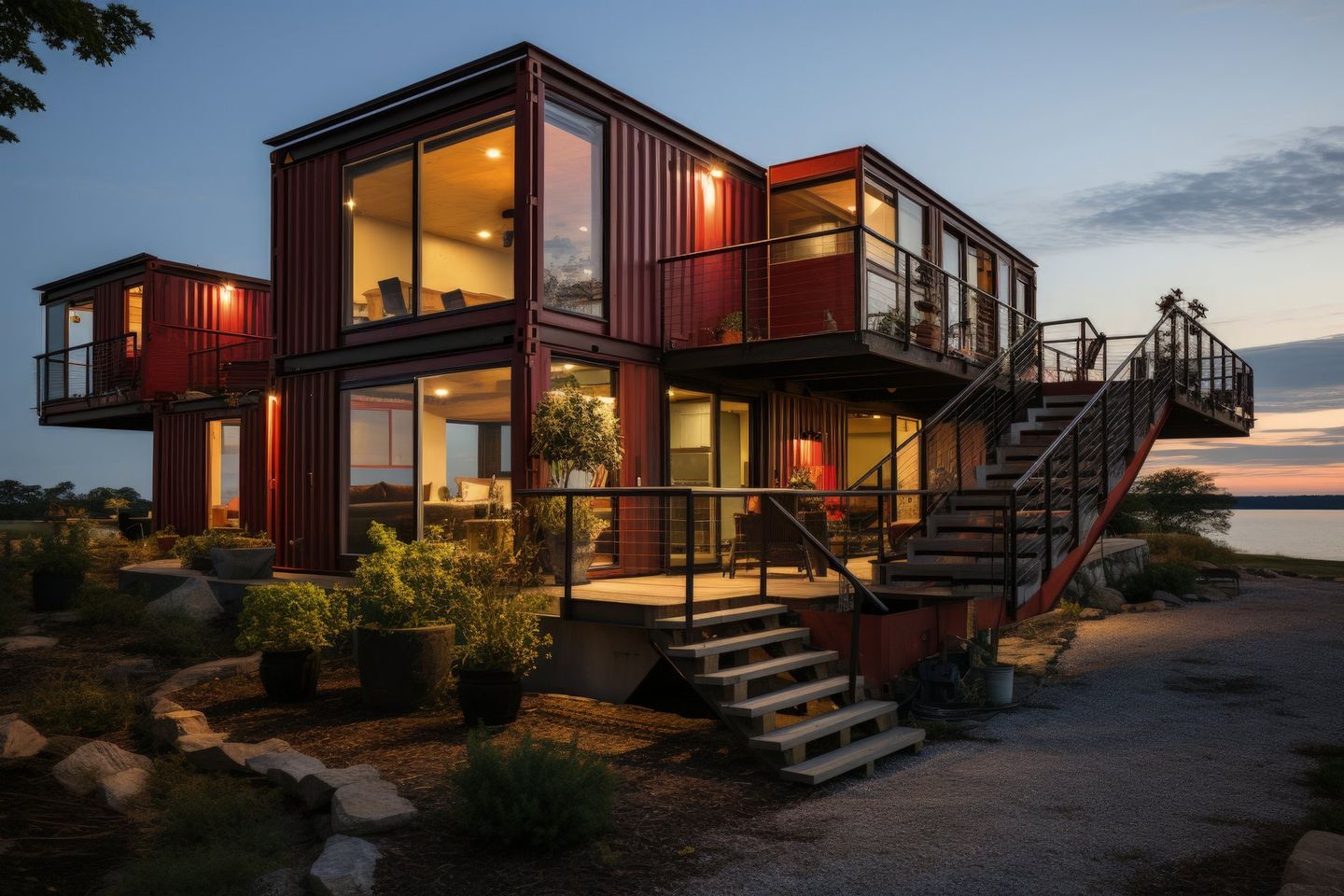
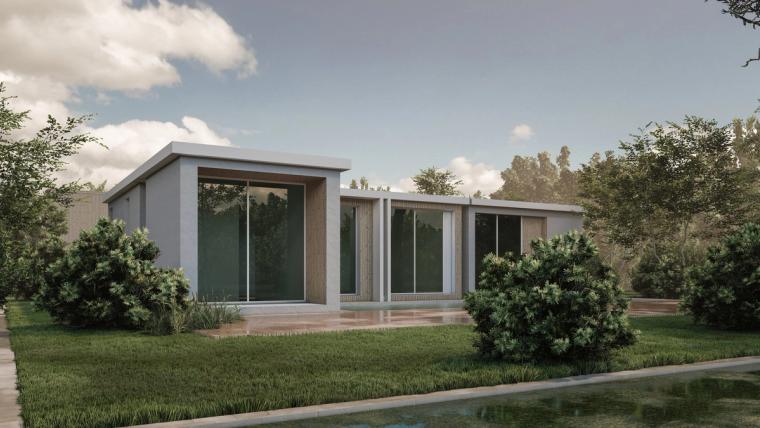
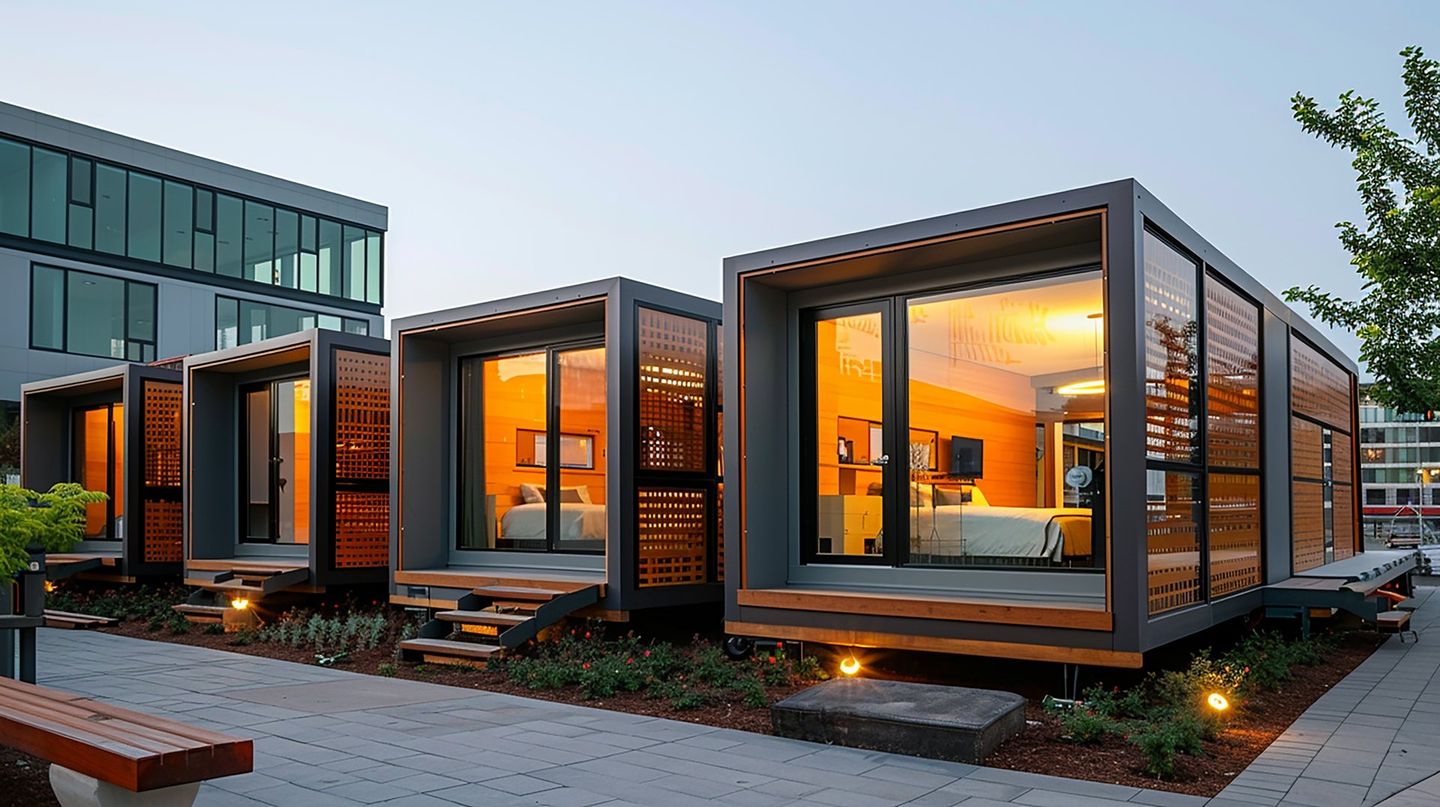
Prefab homes—or to use their full name, prefabricated homes—are constructed off-site in a factory before being transported to their final location for assembly.
This is a pretty innovative approach to construction, and it's designed for efficiency, minimizing construction waste and drawing on eco-friendly building materials.
This is precisely what makes them such an attractive option to potential clients—especially those who prioritize environmental sustainability and sustainable living.
Since this is a growing demographic these days, it might well be worth considering how your offerings might dovetail with this crowd.
Another plus—these modular homes are designed to be energy-efficient.
So, at the same time as they support sustainable living and sustainable development initiatives, they also allow clients to save on energy costs.
And due to their design, they have the potential to play a key role in addressing critical issues within the housing market, including housing shortages and the growing demand for sustainable properties.
What are the Benefits of Sustainable Prefab Homes?
What makes prefab homes such a compelling choice for your clients?
Well, their benefits are pretty wide-ranging, and you can highlight whatever you see fit—and what aligns with your brand identity most, of course!
Here are a few of them:
- They offer substantial energy savings.
- Their building process is efficient and creates reduced construction waste.
- They're thoughtfully designed with energy efficiency at their core.
- They lend themselves to eco-friendly materials and smart home systems that enhance environmental sustainability and offer financial benefits compared to traditional housing options.
- Their customization options are pretty much endless and enable them to create a living space tailored to your clients' idiosyncratic needs and preferences.
- This flexibility can encompass everything from floor plans to finishes.
On top of these, the lower construction costs associated with prefab homes can lead to several key benefits, including cost-effective housing solutions and:
- A reduced upfront investment
- Decreased maintenance expenses
- Ongoing savings on utilities due to energy-efficient designs
These financial advantages are, in our experience, a pretty compelling argument for considering a sustainable prefabricated option.
They're ideal for a client whose lifestyle choices are aligned with a commitment to ecological responsibility and/or economic sensibility.
Prefab homes are the sustainable and cost-effective future!
And perhaps they're an option that'll work perfectly for you and your clients alike.
Understanding Your Target Audience
It's really our most common refrain at this point—marketing requires knowing your audience like the back of your hand.
And, as ever, this is true when marketing sustainable prefab homes.
Knowing who you're working with will allow you to craft a tailored approach, addressing your clients' needs.
Today's homebuyers are becoming more aware of their environmental impact, placing a high value on sustainability, energy efficiency, and innovative design.
Concurrently, they face challenges like affordability and the desire for customization.
Together, these can significantly influence their purchasing decisions—and make prefab homes ever more alluring.
And if you'd like to read more about some current prefab home trends, click here to check out our previous post.
Who are the Potential Buyers of Sustainable Prefab Homes?
Those eco-conscious consumers after energy-efficient housing solutions and sustainable development practices come from a wide range of demographics.
They're usually a blend of young professionals, families, and retirees.
That said, in our experience, these clients tend to have a few things in common.
The obvious one?
They value sustainability not only in their homes but also in their overall lifestyle choices.
They may frequently engage in local community initiatives and prefer to support businesses that uphold green practices.
In that same vein, their motivations largely arise from a desire to make a positive impact on the environment, ensuring a better future for generations to come.
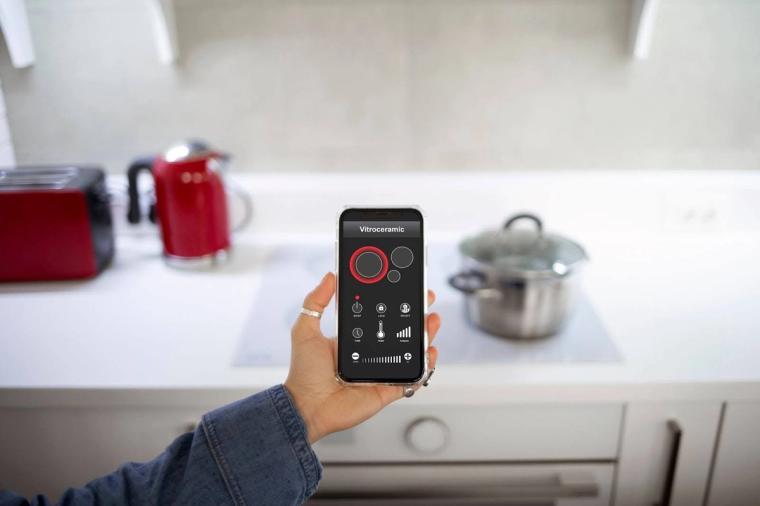
Then, there are the more tech-savvy individuals who are open to integrating smart home technology that contributes to energy savings (easy to do with prefab homes).
And of course, prefab homes often lend themselves to a minimalist design—so those after a simpler, clutter-free lifestyle will love them!
Here's what you need to know, in short:
- Demographics: Young professionals, families, and environmentally conscious retirees.
- Psychographics: Values sustainability, community involvement, and technology.
- Concerns: Climate change, energy efficiency, and cost-effective solutions.
In summary, the pursuit of sustainable prefab homes reflects a genuine commitment to eco-friendly living and a comprehensive approach to their lifestyle choices.
If you already consider your offerings aligned with this authentic approach to sustainability, the marketing ideas should flow freely!
And if they don't just yet, check out more of our blog posts for further creative inspiration.
What are their Values and Priorities?
Sustainable living, environmental responsibility, and rigorous quality control in the construction process are common major priorities.
The most discerning buyers are increasingly seeking properties that reflect their dedication to reducing their carbon footprint.
At the same time, they're also likely trying to ensure that the building materials used are durable and reliable.
Innovative approaches to energy efficiency and incorporation of renewable resources will usually hit home as selling points—at least, that's what we've found.
Consequently, they are drawn to constructions that feature:
- Eco-friendly materials and finishes
- Energy-efficient systems and appliances
- Transparent sourcing practices that ensure sustainability
For these clients—and really, any clients—maintaining high standards of quality control is crucial, as it guarantees longevity and reduces maintenance costs in the future.
What are their Pain Points and How Can Sustainable Prefab Homes Solve Them?
Getting to know what is deterring clients from other options can be useful.
This is a chance to tailor your marketing in such a way as to guide them toward spaces that'll resonate much better.
Clients frequently encounter various challenges in the housing market, such as housing shortages and the difficulties of locating affordable options that align with their sustainability goals.
And sustainable prefab homes offer effective solutions to these problems.
For instance, they provide energy-efficient choices that minimize construction waste and promote environmental sustainability.
This is precisely why we think of them as a compelling alternative for those who wish to balance affordability with ecological responsibility.
Potential buyers might often feel frustrated by the lengthy construction timelines and rising costs associated with traditional building methods, which impact their investment opportunities and real estate decisions.
And the increasing demand for new homes has intensified these issues, resulting in a backlog that leaves many families feeling trapped amid housing shortages and shifting market demand.
Sustainable prefab homes address these concerns too.
And they do this by significantly reducing both construction time and expenses through prefabricated construction and design innovation.
That's why sustainable prefab homes are so suited to couples and families looking to combine comfort, style, and eco-friendliness in their housing choices.
Developing a Marketing Strategy for Sustainable Prefab Homes
So, with all this in mind, what should you consider when marketing sustainable prefab homes?
In today’s evolving housing market, your strategy should prioritize identifying unique selling points, establishing a strong brand identity, and employing a variety of digital marketing techniques.
These are, in our minds, some of the very best ways to engage potential clients and emphasize the innovative aspects of sustainable living in a way that does sustainable prefab homes justice.
Identifying Your Unique Selling Points
USPs, or unique selling points, are the advantages of sustainable properties and innovative home design.
Emphasizing features such as customization options, energy efficiency, and the use of eco-friendly building materials can significantly enhance your competitive edge.
But generally, this is a chance to get pretty creative.
Combine creativity, authenticity, and a real consideration for what your specific clients might need, and you'll conjure that unique combination of selling points to highlight in your marketing.
Keep in mind that, when potential buyers consider sustainable prefab homes, they are not only drawn to aesthetically pleasing designs but also the practical benefits that align with their environmental values.
You may wish to begin with an assessment of current trends in design innovation, which may include open layouts that maximize natural light and seamless indoor-outdoor living spaces.
By focusing on energy-efficient systems, such as solar panels or smart home technology, you can reveal how well-suited prefab homes can be in terms of sustainability and reduced utility costs.
And don't forget their infinite customization options!
These are a major draw for clients who are after a chance to tailor their homes according to their unique lifestyles and preferences.
This can be a pretty distinctive offering!
Effectively communicate these perks in your marketing, and you can position your sustainable prefab homes as the ideal choice for environmentally conscious homebuyers.
Creating a Strong Brand Identity
To stand out from the crowd, you have to really commit.
This is where a strong brand identity comes in.
The stronger your identity, the easier it is to meaningfully connect with your clients and clearly communicate a commitment to sustainability and innovative living solutions.
This comes down to marketing techniques that are more traditional—online and offline alike.
But taking the next step and even turning toward community engagement can make all the difference here, helping you stand out from the crowd.
To achieve this goal, we recommend you focus on several key elements that resonate with their target demographic.
- First and foremost, clear and consistent messaging is essential, as it helps potential customers grasp the brand's core values and unique selling points.
- Moreover, visual identity plays a significant role in shaping public perception of a brand. This includes elements such as logos and color palettes that reflect eco-friendliness.
- Engaging with the local community through initiatives or events can greatly enhance your brand's visibility.
Here are a few strategies to consider:
- Hosting workshops on sustainable living
- Collaborating with local environmental organizations
- Showcasing real-life testimonials from satisfied homeowners
Using Digital Marketing Techniques
If prefab homes are the future, then we need to keep up!
And, of course, getting online is essential.
Social media marketing, email marketing, and search engine optimization (SEO) can skyrocket engagement if you use them right.
And if you want to really commit, try forming partnerships with influencers to further amplify reach and foster authentic connections with potential buyers who are interested in eco-friendly housing solutions.
Whether on Instagram or Facebook, you can illustrate the aesthetic appeal and innovative design of sustainable prefab homes—especially easy with captivating videos and HQ images.
Keep in mind that regular posting is always good juice for an algorithm, without compromising on the strength of your visuals and informative content.
Then, of course, there's implementing effective SEO best practices, including keyword optimization and local search techniques.
This is a very effective way to ensure that an online presence ranks higher in search results.
In other words, this optimization makes it easier for interested buyers to discover these unique housing options.
All this together will attract followers who share a passion for sustainability.
We really do hope this article was informative and helpful!
But of course, if you ever need further inspiration or guidance along the way, you can always reach out to us at MYA.
Frequently Asked Questions
What is marketing sustainable prefab homes effectively?
Marketing sustainable prefab homes effectively typically relies on highlighting their environmental benefits, such as reduced carbon footprints and energy efficiency.
By emphasizing the use of eco-friendly materials and innovative construction techniques, you can attract environmentally conscious consumers who prioritize sustainability in their purchasing decisions.
Additionally, showcasing the cost-efficiency of prefab homes is crucial.
These homes often require less time and labor to construct, leading to lower overall costs for buyers.
Presenting case studies or testimonials from satisfied homeowners can further reinforce this message, demonstrating the practical advantages of choosing a prefab solution.
Engaging potential buyers through digital marketing strategies is also essential.
As is using social media platforms, blogs, and targeted ads can help reach a broader audience.
Providing informative content, such as virtual tours and educational resources, fosters a deeper understanding of the benefits of sustainable prefab homes and encourages informed decision-making.
Why is marketing sustainable prefab homes important?
Marketing sustainable prefab homes is crucial for several reasons.
First, it raises awareness about the environmental benefits of these homes, which are designed to minimize waste and reduce carbon footprints.
By highlighting their energy efficiency and sustainable materials, builders can attract eco-conscious consumers who are increasingly prioritizing green living.
Additionally, effective marketing strategies can help builders differentiate their products in a competitive market.
As more customers seek environmentally friendly options, showcasing the advantages of prefab homes can position builders as leaders in sustainable construction.
Moreover, promoting sustainable prefab homes contributes to a broader shift towards responsible building practices.
This not only meets the growing demand for sustainable living solutions but also fosters a culture of innovation among builders, encouraging them to invest in greener technologies and methods.
Ultimately, marketing sustainable prefab homes can lead to a more sustainable future, benefiting both builders and customers while addressing pressing environmental challenges.
How can architects effectively market sustainable prefab homes?
Architects can effectively market sustainable prefab homes by emphasizing their environmental benefits and efficiency.
By showcasing how these homes can be assembled onsite in a fraction of the time compared to traditional construction, they can attract eco-conscious buyers looking for quick and sustainable housing solutions.
Furthermore, architects should leverage social media platforms to share stunning visuals and client testimonials, highlighting the unique design features and energy-saving technologies incorporated into each home.
Incorporating educational content about the sustainability of prefab homes can also draw interest.
Detailed case studies illustrating the reduced carbon footprint and energy efficiency can resonate with environmentally aware consumers.
Offering virtual tours or interactive workshops will provide potential buyers with firsthand experiences of the comfort and aesthetics of sustainable designs.
Finally, collaborating with green building organizations and participating in eco-friendly home expos can increase visibility and credibility in the market.
What are some effective marketing strategies for sustainable prefab homes?
Effective marketing strategies for sustainable prefab homes focus on highlighting how these homes integrate eco-friendly practices with modern design.
Emphasizing the affordable price of these homes compared to traditional home building methods can attract budget-conscious buyers.
Turning to digital platforms to showcase the module designs and customization options allows potential homeowners to envision their dream space.
Additionally, incorporating virtual tours or videos that demonstrate the on-site assembly process can alleviate concerns about quality and construction time.
It’s also a good idea for your marketing materials to include information on sustainable materials and energy efficiency, aligning with the values of an environmentally conscious audience.
Highlighting unique aspects, like the ability to paint the home’s exterior with eco-friendly paints, can further engage potential buyers looking for personalization options.
How can marketing sustainable prefab homes benefit architects?
Marketing sustainable prefab homes can significantly benefit architects by providing them with a range of pre-designed homes that allow for easy customization.
These modular homes offer multiple options for layout and square footage, enabling architects to design spacious dwellings that can integrate seamlessly into various home sites.
The ability to customize both the interior and exterior of these homes, using renewable materials and contemporary design, makes them appealing to a growing market interested in sustainable building.
By promoting these eco homes as a way to build affordably and sustainably, architects can attract developers looking for high-quality, cost-effective solutions.
Additionally, the design of these homes often includes outdoor spaces and a lofty roof, contributing to the overall appeal of a net zero energy lifestyle.
What are some potential challenges in marketing sustainable prefab homes?
Marketing sustainable prefab homes presents several challenges, particularly when competing against site-built homes and traditionally built homes.
Consumers often perceive these prefab and modular homes as lacking the customization options available in traditional builds.
However, prefab home manufacturers can offer a variety of custom designs that allow clients to personalize their living spaces, from two-bedroom units to high-end loft layouts.
The key is to highlight how modular homes are built efficiently with less waste and high-performance materials, integrating elements like superior insulation.
Another challenge is addressing the perception of affordable prefab homes being of lower quality compared to their site-built counterparts.
To combat this, companies should showcase the high performance and aesthetic appeal of modern homes with striking exterior designs and efficient turnkey solutions.