How to Market Green Design and Attract Eco-Conscious Clients
Green design is evolving.
It's more of a priority than ever before, especially as climate concerns are on almost everyone's minds.
For that reason, we think exploring how to market this beloved approach to design is essential to a wide array of architects today.
In this post, we're exploring what makes green design sing.
Through it, we hope you'll be better able to gear your marketing toward its most wonderful features and eco-conscious clients.
Key Takeaways:
- Green design is a sustainable approach to architecture and design that benefits both the environment and clients.
- Knowing your audience and their characteristics, such as being eco-conscious, is key to effectively marketing green design.
- Using social media, collaborating with sustainable brands, and showcasing your green design portfolio are effective strategies for marketing to eco-conscious clients and promoting transparency and authenticity.
What is Green Design?
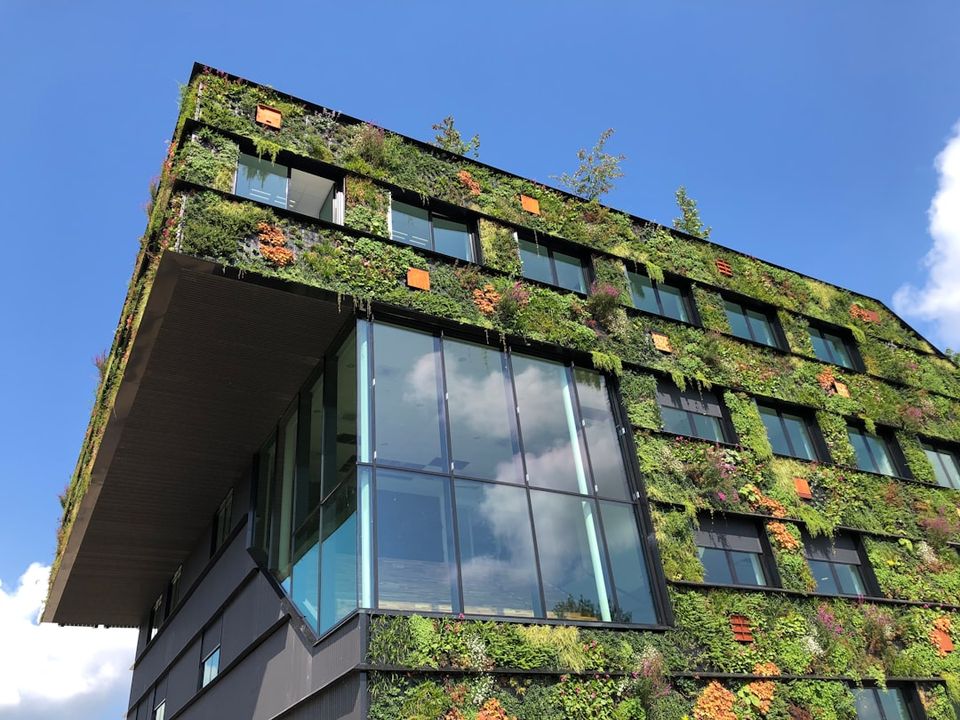
Green design is forward-thinking and sustainable.
Green buildings, on average, save about 25% of the energy that a regular building would normally use.
At the same time, they require a fair bit of architectural known-how and creativity.
Central to these buildings is the use of eco-friendly materials and methods to minimize environmental impact.
The goal is to create spaces that are both visually appealing and thoughtfully designed.
And let's say it for certin—ideally, they'll resonate with the values of eco-conscious consumers.
That's the crowd you're wanting to attract if you're going in this direction, right?
This approach has become increasingly important as awareness of climate change and resource scarcity grows.
That's especially true among Millennials and Generation Z.
These generations tend to pride themselves on purchasing environmentally responsible products.
They also tend to support brands that are committed to sustainability.
So don't forget—their greenwashing goggles are foolproof!
With that in mind, the MYA team would recommend an honest, authentic approach to this design style.
In our minds, that's what we believe will set you apart!
Why Should Architects and Designers Focus on Green Design?
Green design aligns with the increasing demand from eco-conscious consumers who are becoming more aware of their environmental responsibilities.
Many clinets are conscious of the impact of their choices on the planet and spurred by the eco-conscious movement.
And those very same clients will appreciate knowing that their home isn't negatively impacting the planet!
Fair enough, right?
And here's our pro tip:
If your heart is in it—if green design is something you care about too—you'll likely foster a sense of trust among your clients as well.
Indeed, we at MYA have noticed that when consumers observe a commitment to sustainability, they are generally more inclined to support businesses that prioritize eco-friendly initiatives.
There are several advantages to this approach:
- Regulatory compliance is evermore important, as more governments are implementing stringent environmental regulations.
- Embracing green design can differentiate a firm in a competitive marketplace, appealing to those who appreciate innovative and responsible practices, while promoting sustainable branding.
- Community engagement is essential; by involving local stakeholders in sustainability efforts, architects and designers can create spaces that resonate with community values.
Together, these actions help to build a strong, positive brand image that not only attracts customers but also contributes to a healthier planet.
For more inspiration, you could check out our previous post about stilted homes and their environmental benefits.
How Can Green Design Benefit Clients?
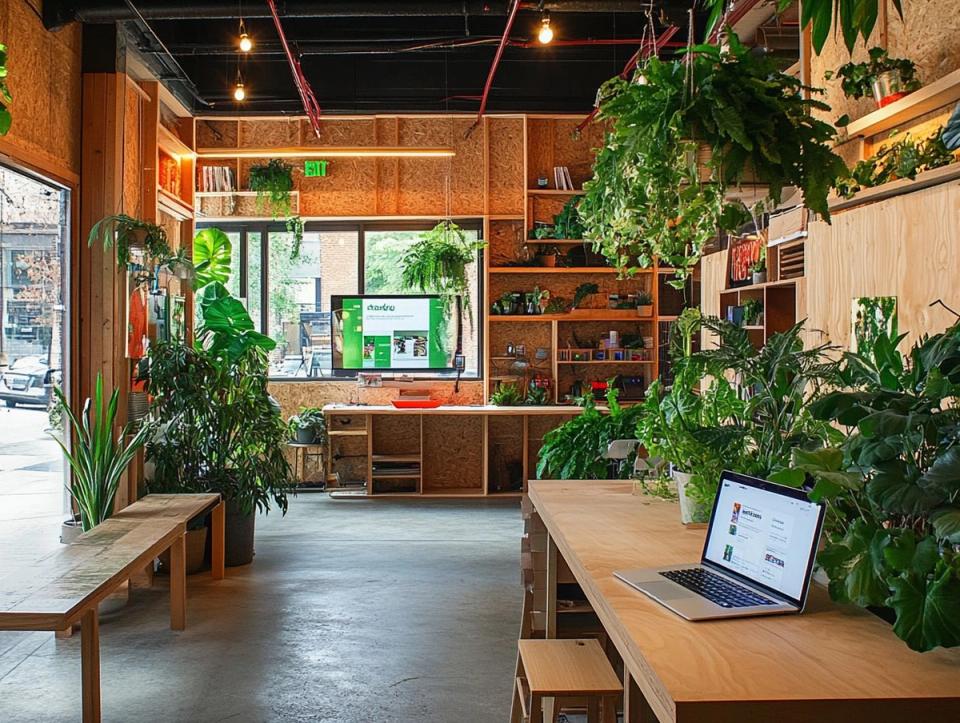
From lower energy costs and improved aesthetics to a healthier living environment, there's so much to love about green design!
You can think of these perks as your avenue to customer loyalty among eco-conscious consumers.
Homeowners can enjoy long-term savings through reduced utility bills.
They can also experience enhanced air quality that significantly boosts their comfort and well-being, leading to greater consumer trust.
For example, incorporating natural ventilation and non-toxic materials can create a more inviting atmosphere, whether in homes or offices.
Prefab homes, for example, rely on the many benefits of natural and repurposed materials.
We have an article about those here.
We've also observed that properties that integrate green elements often see an increase in value over time, making them a wise investment.
Energy-efficient systems, for example, save on maintenance and energy costs.
Know Your Audience: What Are the Characteristics of Eco-Conscious Clients?
You'll hear it from us time and time again because it's something we at MYA stand by wholeheartedly:
You can only market well if you know your audience well.
Eco-conscious clients—especially those from Millennial and Generation Z demographics—place a strong emphasis on sustainability when making purchasing decisions.
They actively seek out brands that offer transparency and authenticity.
Clearly, there's a demand for these qualities in the products they choose to support.
Strategies for Marketing Green Design
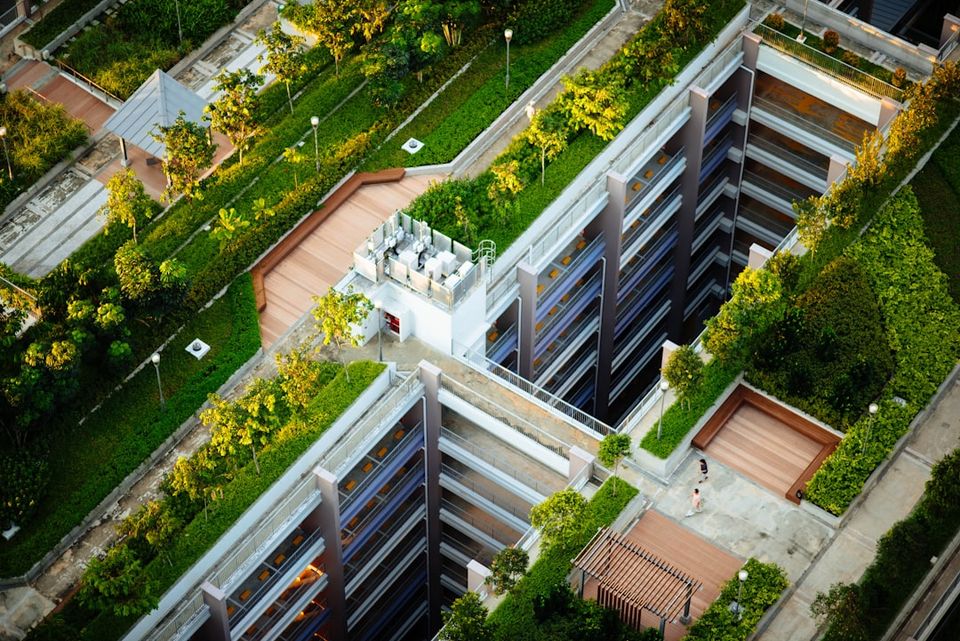
Implementing effective marketing strategies for green design requires using green marketing techniques that draw in eco-conscious consumers.
You'll want to create community engagement and establish loyalty programs that emphasize your commitment to sustainability initiatives as part of your design.
This approach appeals to a growing demographic.
It also encourages a deeper connection to your organization through your demonstrated commitment to environmental responsibility.
Use Social Media
It's the digital age, and social media is pretty much a requirement for advertising.
It allows you to connect with a broader audience and engage directly with eco-conscious consumers through targeted awareness campaigns.
Here, you can visually narrate stories that emphasize the importance of incorporating environmentally sustainable practices within the design community, for instance.
You can also share real-time updates to show your commitment to eco-friendly initiatives.
What's more, you can use your business as a way to bring together creative and eclectic individuals around a shared passion for sustainability.
In our experience, to effectively leverage social media, authenticity and transparency are the name of the game.
So, we recommend openly discussing both successes and challenges related to sustainable practices.
For example, on platforms like Instagram or Facebook, you can share behind-the-scenes content that highlights their innovative eco-friendly materials.
Alternatively, you could engage your audience with live Q&A sessions focused on sustainable design choices, encouraging sustainable habits.
For instance, one successful campaign worth noting is IKEA’s “Sustainable Living” initiative, which encourages customers to embrace a more environmentally friendly lifestyle by sharing tips and product usage ideas centered around sustainability.
Another great example is National Geographic's #PlanetorPlastic campaign, which challenges individuals and businesses to evaluate their plastic consumption.
Using similar methods, you can create a collective awareness of environmental issues and make the best use of these platforms for effective messaging.
Also, show your genuine commitment to your values online, and you'll be on the right track.
If you want to dive deeper, we have a whole post about social media marketing here.
Collaborate with Sustainable Brands
Collaborating with sustainable brands presents a strategic opportunity to enhance the credibility and visibility of green design projects and engage with environmental organizations.
This approach allows architects to engage with an audience that prioritizes eco-friendly products.
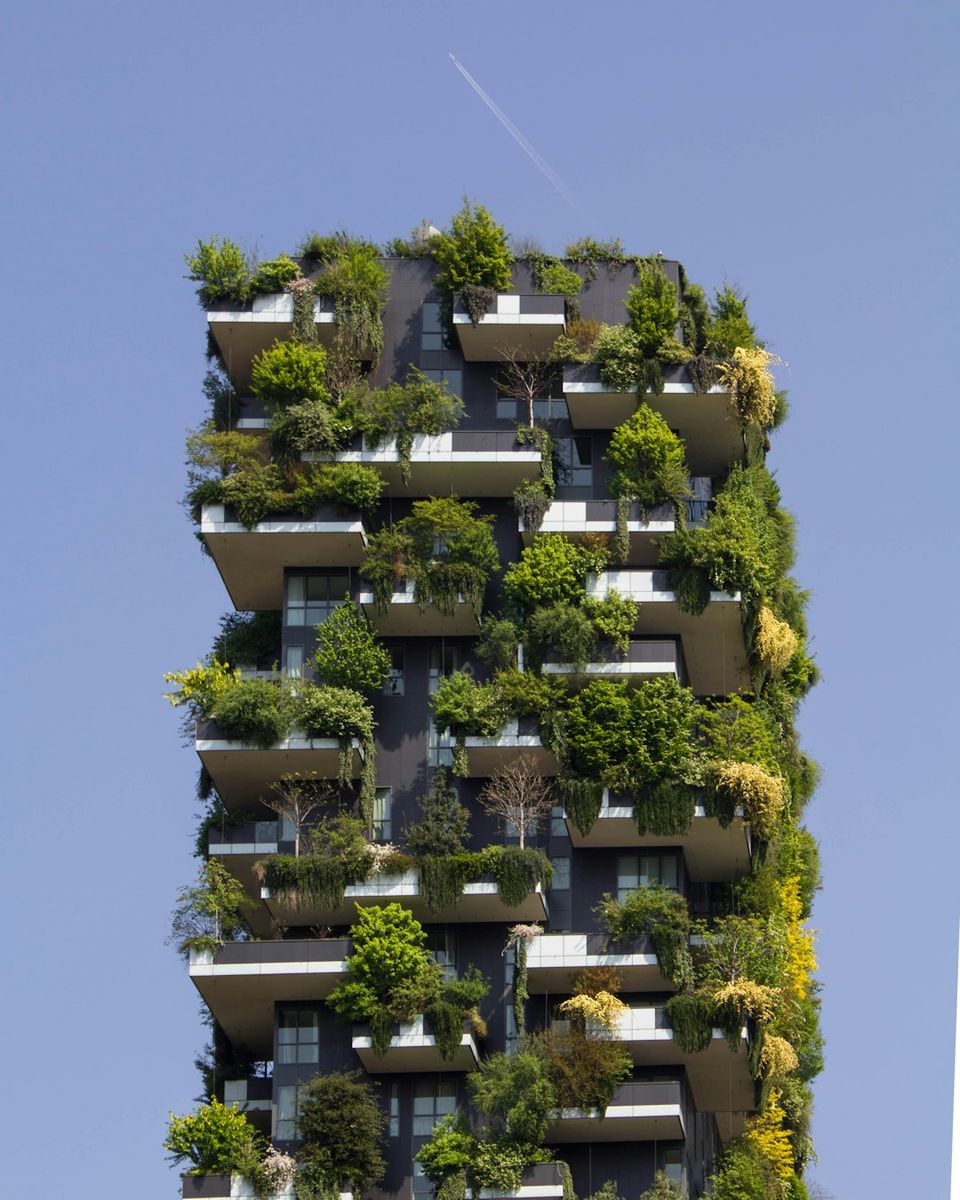
Establishing partnerships is a great way to elevate green design initiatives.
At the same time, they offer opportunities to strengthen the overall market position of all parties involved.
And of course, when these collaborations occur, they are a chance to cultivate an environment of shared values, where companies can work toward objectives that truly and authentically resonate with their clientele.
For example, consider a well-known landscaping company that partners with a local organic farm.
This collaboration can significantly boost the reputations of both entities while fostering greater consumer loyalty and carving out an idiosyncratic niche.
Similarly, when a home designer collaborates with a sustainable fabric manufacturer, it demonstrates how combined efforts can redefine industry standards.
Such alliances yield numerous benefits, including:
- Heightened consumer trust
- Enhanced brand image
- Broader market reach
- Reduced environmental impact
Partnerships really can be a way to make meaningful changes in the industry.
Share Your Green Design Portfolio
In an era where sustainability is at the forefront of design, a well-curated green design can double as a statement of your commitment to ethical sourcing, eco-conscious innovation, and sustainable business practices.
Architects who highlight their sustainable solutions effectively can attract Millennials and Gen Z clients, who actively seek environmentally responsible design.
More importantly, a strong portfolio aligned with green certifications can enhance your brand reputation while also setting you apart—crucial in a competitive market.
To create an impactful portfolio, we highly advise you to go beyond standard project images.
Tell the story behind your designs.
You may wish to incorporate:
- Detailed case studies that outline challenges, innovative solutions, and measurable environmental benefits.
- Client testimonials that provide real-world validation of your sustainable approach.
- Visual storytelling, including before-and-after photos, infographics showcasing resource savings, and snapshots of the eco-friendly materials you use.
With these elements, you can demonstrate your expertise and also create a compelling narrative that resonates with environmentally conscious clients.
Keep in mind that a well-crafted green design portfolio isn’t just about aesthetics.
It’s about impact too.
You can inspire confidence in potential clients and encourage them to choose design solutions that align with their values.
Plus, you can bring elements of your portfolio to social media, combining one marketing approach with another.
Creating a Powerful Brand Message
Your brand message should be inspiring, of course, but how do you do that?
A clear, compelling commitment to green design builds trust and will set you apart.
Consumers are demanding sustainability more than ever.
They don’t just prefer brands that align with their values—they expect it.
Make your message bold, authentic, and action-driven.
Show them not just what you do, but why it matters.
Keep it simple, and you'll make it impactful.
This is how you can ensure sustainability is built into the foundations of your organization and its messaging.
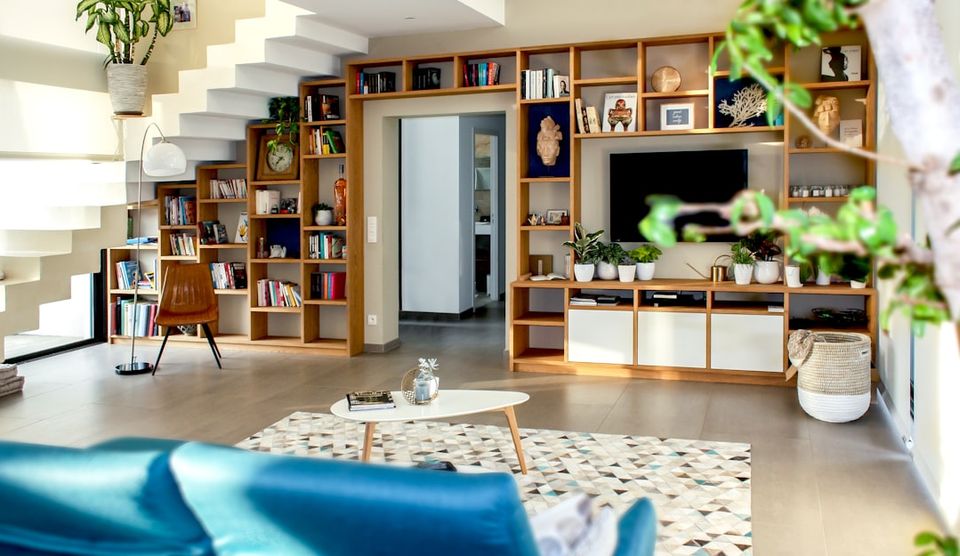
How to Communicate Your Commitment to Green Design?
Sharing your sustainability and engaging in awareness campaigns that resonate with conscious consumer behavior are great starting points.
To genuinely connect with an audience that values environmental responsibility, organizations can adopt various strategies that highlight their dedication.
An approach we've found to be especially effective is to share behind-the-scenes stories that reveal the thoughtful processes involved in sustainable practices.
Here, you can offer insights into the choices made during design and production.
Participating in local sustainability initiatives can help demonstrate your genuine commitment as you're also creating meaningful ties to your community.
This engagement can be enhanced through compelling storytelling techniques:
- Highlighting personal experiences and the motivations behind eco-friendly decisions.
- Creating visual content that showcases both the beauty and benefits of sustainable design.
- Encouraging customer participation in green initiatives, fostering a collaborative approach to sustainability.
What Sets Your Green Design Apart from Others?
You need a competitive edge, right?
Innovative practices, ethical sourcing, and distinctive sustainable solutions will help you get there.
To effectively set your green design offerings apart, we recommend you focus on several aspects that resonate with increasingly eco-conscious consumers:
- Innovative Materials: Consider using reclaimed wood, recycled metals, or bioplastics to create unique furniture pieces or architectural elements.
- Ethical Manufacturing: Commit to fair labor practices and maintain transparency in your production processes.
- Unique Projects: Showcase remarkable projects such as a sustainable community center that combines energy efficiency with modern design, featuring solar panels and green roofs.
Focus on illustrating your firm's unique dedication to green design to engage potential clients.
You could also glean inspiration from brands like Patagonia and Allbirds, who have done well to generate a loyal following that appreciates sustainability and innovation.
Frequently Asked Questions
1. How can I effectively market my green design to attract eco-conscious clients?
To effectively market your green design, focus on showcasing the environmental benefits and sustainability of your work.
Create engaging content that highlights how your designs contribute to eco-friendly living, emphasizing energy efficiency and resource conservation.
Use social media platforms and eco-focused events to reach your target audience.
Finally, collaborate with eco-conscious influencers who can promote your designs, allowing your brand to grow over time while building a loyal clientele.
2. What are some key elements to include in my green design marketing strategy?
To create an effective green design marketing strategy, focus on building trust through transparency regarding your sustainable practices.
Highlight the environmental benefits of your products, showcasing how they contribute to a healthier planet.
Additionally, leverage social media to engage with your audience and share stories of positive impact over time.
Emphasize your commitment to green initiatives and how they align with consumer values.
You may also wish to use educational content that informs customers about your eco-friendly processes, fostering a deeper understanding of sustainability.
Collaborating with like-minded organizations can also enhance your credibility.
Finally, consider offering incentives for eco-conscious consumers, reinforcing your brand's dedication to green principles while encouraging loyalty over time.
3. How important is it to have a strong online presence when marketing green design?
In today's digital age, having a strong online presence is essential for marketing green design.
As sustainability becomes a key part of design, businesses must leverage platforms that highlight their eco-friendly initiatives.
This not only attracts conscious consumers but also builds trust over time.
By showcasing projects that are environmentally friendly, companies can demonstrate that building also contributes to a healthier planet.
4. How can I differentiate my green design from other architects' sustainable designs?
To differentiate my new green designs from other architects' sustainable approaches, we recommend you focus on a unique criterion at a time.
For example, the integration of energy-efficient systems that minimize electricity use over time.
This consideration becomes a fundamental part of the design process, emphasizing not only aesthetics but also functionality.
From an organizational standpoint, we suggest you prioritize collaboration with clients to ensure their vision aligns with the world’s ecological goals, creating structures that stand out while promoting sustainability.
5. Are there any specific strategies for marketing green design to commercial clients?
To effectively market green design to commercial clients in the construction industry, it’s essential to highlight the benefits of green building practices.
Emphasizing energy efficient building design and the use of renewable energy sources can persuade clients to adopt these design principles.
Many architects and builders can track the long-term savings achieved through sustainable energy sources and building materials, which contribute to a lower carbon footprint and improved indoor environmental quality.
Moreover, integrating BIM technology into the design and build process allows for a more flexible approach to construction.
This enables clients to orient their projects towards sustainable building practices that radically reduce their impact on the environment.
By prioritizing conservation and the reuse of materials, companies can define their role as icons in the green architecture movement, aligning with the goals of organizations like Greenpeace and setting standards for 2025 and beyond.