Industrial interior design has surged in popularity, captivating designers and homeowners alike with its unique blend of raw aesthetics and practicality.
Characterized by exposed materials and utilitarian elements, this style draws inspiration from the industrial revolution, transforming spaces into modern marvels.
This explores the definition and history of industrial interior design, its defining features, and the multitude of benefits it offers.
Join us to uncover why industrial design continues to thrive in contemporary spaces.
Key Takeaways:
- Industrial interior design utilizes raw materials, exposed mechanical elements, a neutral color palette, utilitarian furniture, and open floor plans to create a unique and versatile aesthetic.
- The roots of industrial interior design can be traced back to the Industrial Revolution, with the emergence of industrial designers who sought to incorporate industrial elements into their designs.
- Industrial interior design offers a timeless and cost-effective approach to interior design, with a focus on sustainability and repurposing materials, making it a popular choice among clients and designers alike.
The Rise of Industrial Interior Design
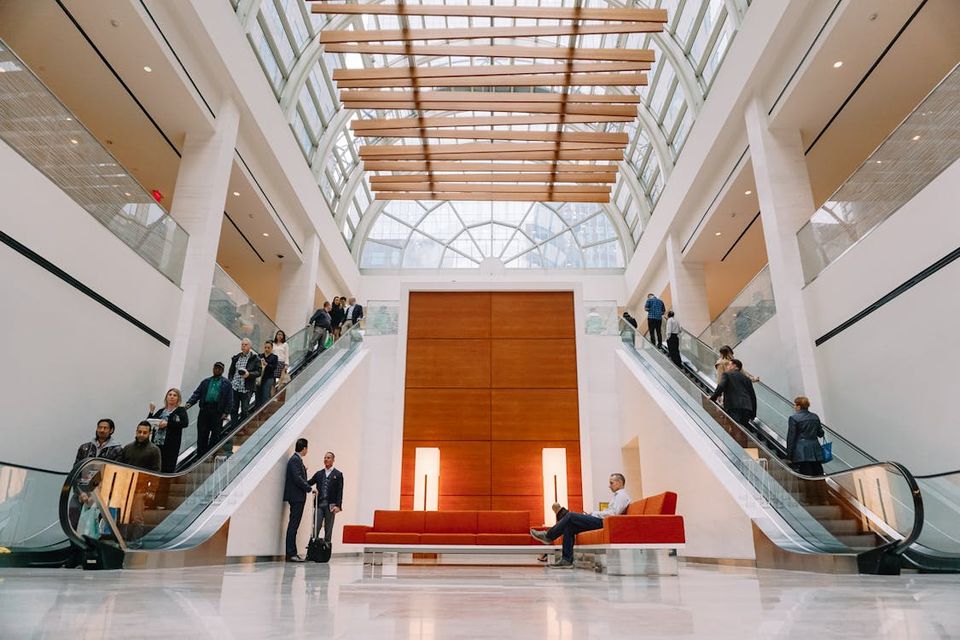
The rise of industrial interior design has been a remarkable trend in the world of architecture and interior design, showcasing a blend of raw materials, functionality, and artistic expression that resonates with contemporary aesthetics. This design style has gained immense popularity due to its ability to create comfortable workplaces and residential environments that reflect modern elegance while embracing sustainability trends. As we move into 2024, design experts are projecting exciting new directions in industrial interior design, influenced by key entities like Pantone and notable figures such as Gemma Riberti and Leatrice Eiseman, who emphasize the importance of color palettes and unique details in creating inviting spaces.
The Definition of Industrial Interior Design
Industrial interior design is a style that emphasizes the use of raw materials, open spaces, and functional design elements while celebrating the aesthetics of the industrial era. This design approach showcases features like exposed mechanical elements, metal finishes, and a neutral color palette, which collectively create a sense of modern elegance and timeless design. It often draws inspiration from historical understanding and is characterized by a blend of vintage elements and contemporary touches, resulting in a unique style that resonates with many homeowners and designers alike.
To truly appreciate the essence of industrial interior design, one must consider how it intertwines the remnants of history with the sleekness of modern aesthetics. This unique style embraces the raw, unfinished look found in warehouse lofts, incorporating cozy environments that invite warmth and comfort into the expansive spaces.
Here are some key characteristics that highlight this fusion:
- Raw Materials: A predominant feature includes the use of reclaimed wood, concrete, and metal, all contributing to an earthy ambiance.
- Open Spaces: The emphasis on airy interiors fosters a casual atmosphere, perfect for gatherings and social interactions.
- Vintage Touches: Antique furnishings and fixtures often complement contemporary elements, creating a timeless elegance.
- Functional Design: The combination of form and function enhances comfort while staying true to the style’s industrial roots.
By integrating these elements, the design not only celebrates its historical context but also crafts a visually striking, yet relaxing environment that appeals to modern sensibilities.
What Makes Industrial Interior Design Different?
What sets industrial interior design apart from other design styles is its unapologetic embrace of raw materials and utilitarian principles, which create spaces that are both visually striking and supremely functional. Unlike more traditional designs that prioritize ornamental features, industrial design focuses on clean lines, eclectic decor, and open floor plans, promoting collaboration within flexible work environments. The use of bold designs and unique details such as exposed elements and acoustic elements allows for a distinctive look that conveys a sense of nostalgia and artistic expression.
In contrast to modern elegance, which often revels in minimalistic sophistication and refined materials, or the vibrant excess of maximalist florals that celebrate intricate patterns and a riot of colors, industrial interior design champions authenticity and simplicity.
This style celebrates the beauty of imperfections, drawing attention to the textures and histories of the materials used. By emphasizing functional spaces, industrial design cultivates an atmosphere that promotes comfort and efficiency, ensuring that each area serves a specific purpose. Unique details such as vintage light fixtures and salvaged wood pieces contribute to this feeling, merging comfort with style seamlessly.
- Raw Materials: Use of concrete, steel, and wood
- Functional Spaces: Focus on practicality and ease of movement
- Unique Details: Emphasis on textures and history
Ultimately, industrial design resonates with those seeking a balance between aesthetics and functionality in their living and working environments.
The History of Industrial Interior Design
Understanding the history of industrial interior design is vital to appreciate its evolution and enduring appeal, which can be traced back to the transformative changes brought about by the Industrial Revolution. Initially rooted in utilitarian needs, this design style has incorporated various historical aesthetics that reflect cultural influences over time, establishing a unique narrative. Design firms have embraced these elements, blending them with contemporary trends to create spaces that enhance both comfort and style while addressing the modern demands of urban living.
The Influence of the Industrial Revolution
The Industrial Revolution significantly influenced the development of industrial interior design by shifting the focus from traditional craftsmanship to mass production, which allowed for the widespread use of raw materials and new technologies. This period marked a turning point where architectural styles began embracing the aesthetics of machinery and factories, leading to the popularization of elements like exposed brick and metal finishes. Understanding this historical context enriches our appreciation of how these styles have shaped modern interior design trends and continues to inspire new generations of designers.
Aspects such as open spaces, high ceilings, and large windows emerged, creating a sense of airiness that was both functional and visually appealing. These elements did not merely serve a practical purpose but also fostered an ambiance of comfort and sophistication.
Comfort and style became intertwined, allowing for a nostalgic connection to the past while balancing contemporary needs.
- Raw materials such as wood, iron, and concrete became hallmark features, reinforcing the notion of authenticity.
- Textures and simple lines contributed to a minimalist aesthetic, allowing decor to resonate with the structural integrity of the space.
- Incorporating vintage furniture and reclaimed items further enhanced the nostalgic vibe, encouraging a seamless blend of old and new.
This unique combination and evolution of design elements not only satisfied aesthetic desires but also set a precedent for future design movements, ensuring that the echoes of the Industrial Revolution continue to be felt in modern interiors.
The Emergence of Industrial Designers
The emergence of industrial designers has played a crucial role in defining and refining the industrial interior design style, blending functionality with a unique aesthetic that appeals to modern sensibilities.
Pioneers in this field, such as Nifembi Marcus Bello and Michael Diaz-Griffith, have brought innovative approaches to design firms, incorporating elements of sustainability and artistic expression into their work. Their contributions highlight how industrial interior design continues to evolve, reflecting both historical influences and contemporary trends.
By exploring the intersection of aesthetics and practicality, these experts have reshaped the landscape of this design style. They skillfully integrate materials that are not only visually appealing but also environmentally friendly, pushing boundaries and encouraging others in the industry to do the same. The focus on sustainable practices and user comfort has greatly influenced the choices made by designers today, prompting a shift in priorities. This evolution has led to a more conscious approach in design, emphasizing:
- Curated materials
- Mindful production processes
- Inclusive design elements for all users
As new trends emerge, the likes of Bello and Diaz-Griffith continue to inspire the next generation, demonstrating that industrial design can harmoniously combine beauty and functionality.
The Main Elements of Industrial Interior Design
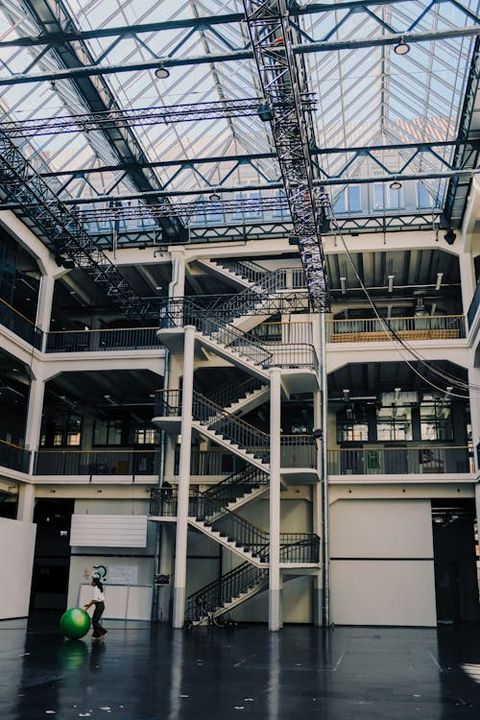
The main elements of industrial interior design create a cohesive aesthetic that celebrates functionality while providing comfort and style, making it a popular choice for both residential and commercial spaces. These elements include the use of raw materials such as reclaimed wood and metal finishes, as well as open floor plans that encourage collaboration and flexibility in living and working environments. The incorporation of unique details and artistic expression further enhances the overall ambiance, allowing for personalization within the industrial framework.
Raw Materials
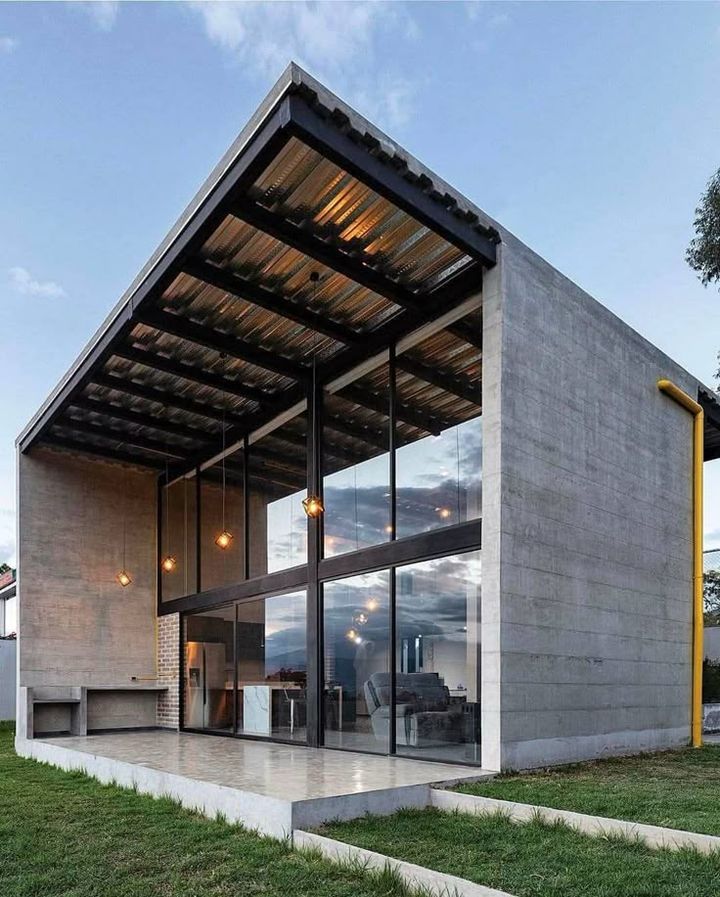
The use of raw materials is a defining characteristic of industrial interior design, embodying the principles of sustainability and the beauty of imperfection. Materials such as reclaimed wood, steel, and concrete are often used to create a rugged yet elegant atmosphere, adding unique details that enhance the visual appeal of a space. This natural aesthetic not only promotes environmental responsibility but also fosters a sense of authenticity and connection to the past.
In considering the selection of materials, one can appreciate the various benefits they bring both in form and function.
- Reclaimed wood not only adds warmth and character but also serves as a testament to sustainability by repurposing materials that would otherwise go to waste.
- Steel, with its sleek, modern qualities, contributes to structural integrity while allowing for creative freedom in design.
- Concrete offers a minimalist appeal that enhances contemporary aesthetics, as well as durability for lasting impact.
A historical understanding of these materials enriches their application, bridging the gap between past and present.
By integrating such elements thoughtfully, designers can create spaces that resonate with the essence of human experience while promoting eco-friendly practices.
Exposed Mechanical Elements
Exposed mechanical elements are a hallmark of industrial interior design, showcasing the functional aspects of a space while adding an artistic touch to the environment. Featuring elements like visible ductwork, pipes, and wiring, these design choices celebrate the raw beauty of construction and engineering. This approach not only highlights the practicality of industrial spaces but also supports the trend of incorporating unique details that reflect personal style.
By intentionally displaying these components, the design not only enhances the overall feel but also invites a sense of authenticity and honesty into the space. This transparency creates an environment that resonates with creativity, enabling individuals to embrace both comfort and style.
The juxtaposition of rugged materials alongside softer furnishings can transform a stark atmosphere into a welcoming one, making it an ideal choice for those looking to blend function with aesthetics.
- Visible mechanical features can play a dual role, providing necessary functions while inspiring artistic interpretations.
- These elements often become conversation starters, inviting guests to engage with the environment in a meaningful way.
- Incorporating personalized touches alongside exposed elements allows for an enhanced expression of individuality in design.
Neutral Color Palette
A neutral color palette is a signature feature of industrial interior design, offering a versatile and calming backdrop that complements the raw materials and architectural features typical of this style. Colors such as greys, whites, and browns create an inviting atmosphere while allowing for the incorporation of bolder accents or jewel tones, creating visual contrasts that enhance the overall aesthetic. This thoughtful use of the color wheel plays a key role in establishing a balance between modern elegance and a sense of nostalgia.
In this context, the strategic application of color not only contributes to comfort but also fosters a warm environment that feels both welcoming and sophisticated. Elements such as:
- The use of soft, muted tones that evoke tranquility
- Accent pieces featuring vibrant hues that draw the eye and stimulate conversation
- Textures that harmonize with these colors, enriching the visual and tactile experience
By integrating such contrasts thoughtfully, designers can achieve a unique artistic expression, making spaces feel more personalized and vibrant. This fusion of neutrality and boldness in color choices is essential for achieving an industrial design aesthetic that resonates with the occupants, making them feel at home.
Utilitarian Furniture
Utilitarian furniture is essential in industrial interior design, reflecting the style’s emphasis on practicality and function without sacrificing aesthetic appeal.
This type of furniture not only enhances the visual appeal of a space but also plays a pivotal role in improving comfort and efficiency.
Utilitarian pieces often include:
- Sturdy tables made from reclaimed wood that provide an inviting centerpiece.
- Metal shelving units that add vertical storage while showcasing decorative items.
- Versatile seating options that meld comfort with style, making them suitable for both work and relaxation.
These selections contribute to a well-designed, functional environment, ensuring that style and utility coexist harmoniously.
By integrating diverse materials and forms, one can create spaces that are not only practical but also full of personality.
Open Floor Plans
Open floor plans are a defining element of industrial interior design, promoting a sense of spaciousness and encouraging collaboration in both residential and commercial settings. This layout allows for flexible work environments that can be easily adapted to suit different needs, fostering creativity and connection among occupants. The incorporation of distinct zones within the open space can be achieved through furniture arrangement or the use of textural contrasts, creating a dynamic atmosphere that remains functional and inviting.
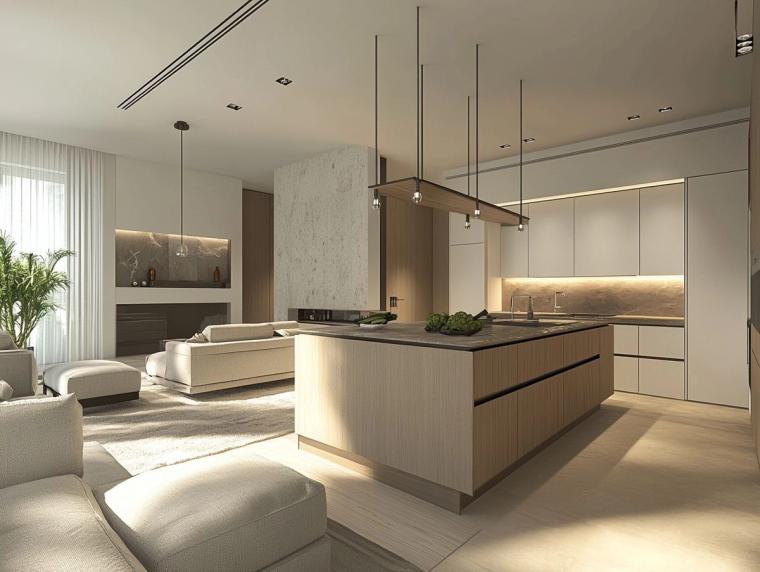
In recent years, the appeal of open floor plans has grown significantly, largely due to their versatility and the myriad benefits they provide. By eliminating unnecessary walls, these spaces become an extension of the natural light that floods in, enhancing the overall comfort and ambiance. The flow between different areas encourages spontaneous interactions, making teamwork more organic and fluid.
- Such layouts can be styled with unique decor elements, adding individuality while maintaining cohesiveness.
- Utilizing varied materials can accentuate different zones, promoting both comfort and aesthetic value.
Ultimately, embracing an open plan strategy allows for a modern, approachable feel, which resonates profoundly with contemporary industrial ethos.
The Benefits of Industrial Interior Design
The benefits of industrial interior design extend beyond aesthetics, offering a range of advantages that cater to both practical needs and personal preferences. This design style is known for its cost-effectiveness, as many of its core elements can be sourced from reclaimed materials and readily available resources, enhancing its appeal in an environmentally conscious market. Additionally, the versatility of industrial design allows for the creation of spaces that are comfortable, functional, and uniquely tailored to individuals’ lifestyles, making it a popular choice for modern living.
Versatility
Versatility is one of the standout benefits of industrial interior design, allowing it to seamlessly adapt to a variety of settings and personal tastes.
Notably, in creative spaces like art studios or modern coworking environments, the rugged elements often serve as an inspiring backdrop, motivating creativity while ensuring functional use of space. For instance, exposed bricks and metal accents can fuse together to create an energizing atmosphere that sparks innovation. In restaurants, industrial design can manifest through open kitchens or communal dining areas that encourage interaction, all while prioritizing durability and easy maintenance.
- The use of raw materials like reclaimed wood and steel not only enhances aesthetics but also promotes sustainability.
- Versatile furniture pieces, such as modular seating or multifunctional tables, allow immediate adaptation for events or casual dining experiences.
Ultimately, the allure of this design style lies in its ability to integrate creativity and practicality, making it a favored choice across diverse environments.
Timelessness
The timelessness of industrial interior design is evident in its ability to transcend trends, offering a classic appeal that resonates with many homeowners and design enthusiasts. By blending historical aesthetics with modern elegance, this style remains relevant and sought after, appealing to those who appreciate the fusion of past and present in their living spaces. The enduring nature of industrial design ensures that it can be effortlessly updated with new elements while retaining its core identity.
At its core, industrial design draws heavily from historical roots, reflecting the raw beauty of factory settings and urban environments. From exposed brick walls to steel beams, each element tells a story that connects the occupant with the vibrant past of industrialization. This aesthetic does more than just beautify a space; it evokes a sense of comfort and nostalgia, creating an inviting atmosphere.
- Pieces are often handcrafted and emphasize functionality, harmonizing form and purpose.
- The use of reclaimed materials not only enhances aesthetics but also promotes sustainability, resonating with modern values.
- Color palettes typically feature neutral tones, allowing for flexibility in personal expression while remaining grounded.
This inherent adaptability emphasizes why industrial design continues to captivate audiences, encouraging a deeper appreciation for the marriage of comfort and style.
Cost-Effective
One of the most appealing aspects of industrial interior design is its cost-effectiveness, which stems from the use of readily available and often reclaimed raw materials. Homeowners can create stunning spaces without a significant financial investment by repurposing items and choosing sustainable options, such as recycled materials or vintage furnishings. This approach not only reduces costs but also aligns with the growing emphasis on sustainability trends in modern design, appealing to eco-conscious consumers.
Incorporating these principles into industrial interior design allows for the creation of unique spaces that reflect personal style while minimizing environmental impact. By strategically sourcing materials like reclaimed wood, metal, and other salvaged items, individuals can achieve a distinctive aesthetic that sets their interiors apart. Not only does this appeal to the environmentally conscious, but it also fosters a sense of creativity and innovation.
- Cost efficiency through material reuse
- Support for ethical production practices
- Increased market demand for sustainable goods
As consumers increasingly value sustainability, the importance of selecting eco-friendly options will only grow, establishing a harmonious balance between aesthetic appeal and responsible living.
Sustainability
Sustainability is a core principle of industrial interior design, reflecting a commitment to environmental responsibility that resonates with today’s eco-conscious consumers. By incorporating recycled materials, upcycled elements, and energy-efficient solutions, this design style not only minimizes waste but also encourages the use of natural resources. This focus on sustainable practices makes industrial design an appealing choice for those looking to create spaces that are not only aesthetically pleasing but also environmentally friendly.
In this framework, modern designers frequently turn to a variety of materials and methods that underscore their dedication to eco-friendliness. For instance, reclaimed wood, metal piping, and concrete not only lend a raw, authentic feel to spaces but also reduce the impact of new resource extraction. Incorporating efficient lighting options such as LED fixtures and strategically placed windows enhances natural lighting, fostering energy conservation.
- Recycled materials: Utilizing items like glass, metals, and timber that have been repurposed
- Upcycling: Transforming discarded materials into unique design features
- Energy-efficient systems: Implementing heating and cooling solutions that reduce energy consumption
Such elements contribute not only to the aesthetic appeal but also ensure that spaces promote environmental responsibility, comfort, and well-being.
Unique Aesthetic
The unique aesthetic of industrial interior design is characterized by a blend of raw materials, functional elements, and artistic expression, creating spaces that are visually striking and evocative. This style often incorporates vintage elements that evoke nostalgia while providing a contemporary twist, resulting in an environment that feels both timeless and fresh. The interplay between these design aspects allows individuals to personalize their spaces, reflecting their tastes and preferences in an inviting atmosphere.
One of the most compelling features of this design genre is the emphasis on raw materials, which often include exposed brick, steel beams, and reclaimed wood. These elements not only serve a functional purpose but also add depth and character to the space. The combination of these materials can create a harmonious balance between comfort and style.
- For instance, the use of vintage furniture pieces lends an air of authenticity, anchoring the contemporary aspects of the design.
- Adding layered lighting, such as industrial-style pendant lamps or Edison bulbs, can enhance the warm, inviting glow of the environment.
Ultimately, it is the thoughtful integration of these components that transforms a simple room into a captivating narrative, where each item has a story to tell while ensuring comfort and style are never compromised.
Frequently Asked Questions
What is industrial interior design and why is it on the rise?
Industrial interior design is a style that takes cues from old factories and industrial spaces, using raw materials, exposed pipes and beams, and a utilitarian aesthetic. It has gained popularity due to its unique and edgy look, as well as its ability to be customized to fit different spaces and budgets.
What are the key elements of industrial interior design?
Some key elements of industrial interior design include the use of materials like metal, concrete, and wood, as well as incorporating vintage and salvaged pieces. It also often features an open concept layout, exposed mechanical or electrical systems, and a balance of form and function.
How can industrial interior design benefit architects and interior designers?
Industrial interior design allows for a lot of creative freedom and experimentation, which can be appealing for architects and interior designers looking to push boundaries and stand out in a crowded market. It also appeals to a wide range of clients, making it a versatile and profitable design style.
What are some tips for incorporating industrial interior design into a project?
One tip is to balance the industrial elements with softer, more inviting elements like textiles and plants. This can help create a more comfortable and livable space. Additionally, mixing different textures and finishes can add depth and interest to the design.
How can marketing and automation help architects and interior designers stay ahead in the industrial interior design market?
Marketing and automation can help architects and interior designers reach and attract potential clients more efficiently and effectively. By utilizing digital marketing strategies and automating tasks, architects and interior designers can focus on their design work and streamline their business processes, leading to more fulfilling projects and higher profits.
What are some challenges of incorporating industrial interior design into a project?
Some challenges may include finding the right balance between industrial elements and softer features, as well as sourcing unique and authentic materials and decor. Additionally, it can be a challenge to communicate the vision and aesthetic of industrial interior design to clients who may not be familiar with the style.