French architecture is elegant and full of timeless, regal delights.
Leaning into your clients’ tendency toward grandeur with a French architectural style can be an exciting venture, and we’ll explore just how to do that in this post—whether with little details or bold statements.
From Gothic cathedrals to Renaissance châteaux, we’ll share few tips for incorporating its elements into your own designs.
And of course, because we’re here to help you market your architecture (it’s in the name!), we’ll also discuss effective marketing strategies to attract clients who appreciate the magic of French elegance.
Key Takeaways:
- French architecture’s timeless elegance is influenced by its rich history and culture, emphasis on symmetry and proportion, use of high-quality materials, and attention to detail, as seen in both French Country décor and French Provincial design.
- Incorporating classical elements, natural light, decorative molding and trim, and neutral color palettes can bring the essence of French design into your architecture, whether in urban architectural contexts or modern French interiors.
- To effectively market French architecture, highlight its timeless and elegant elements, quality and craftsmanship, target high-end clients, and collaborate with French-style home decor brands.
What Makes French Architecture Timeless and Elegant?
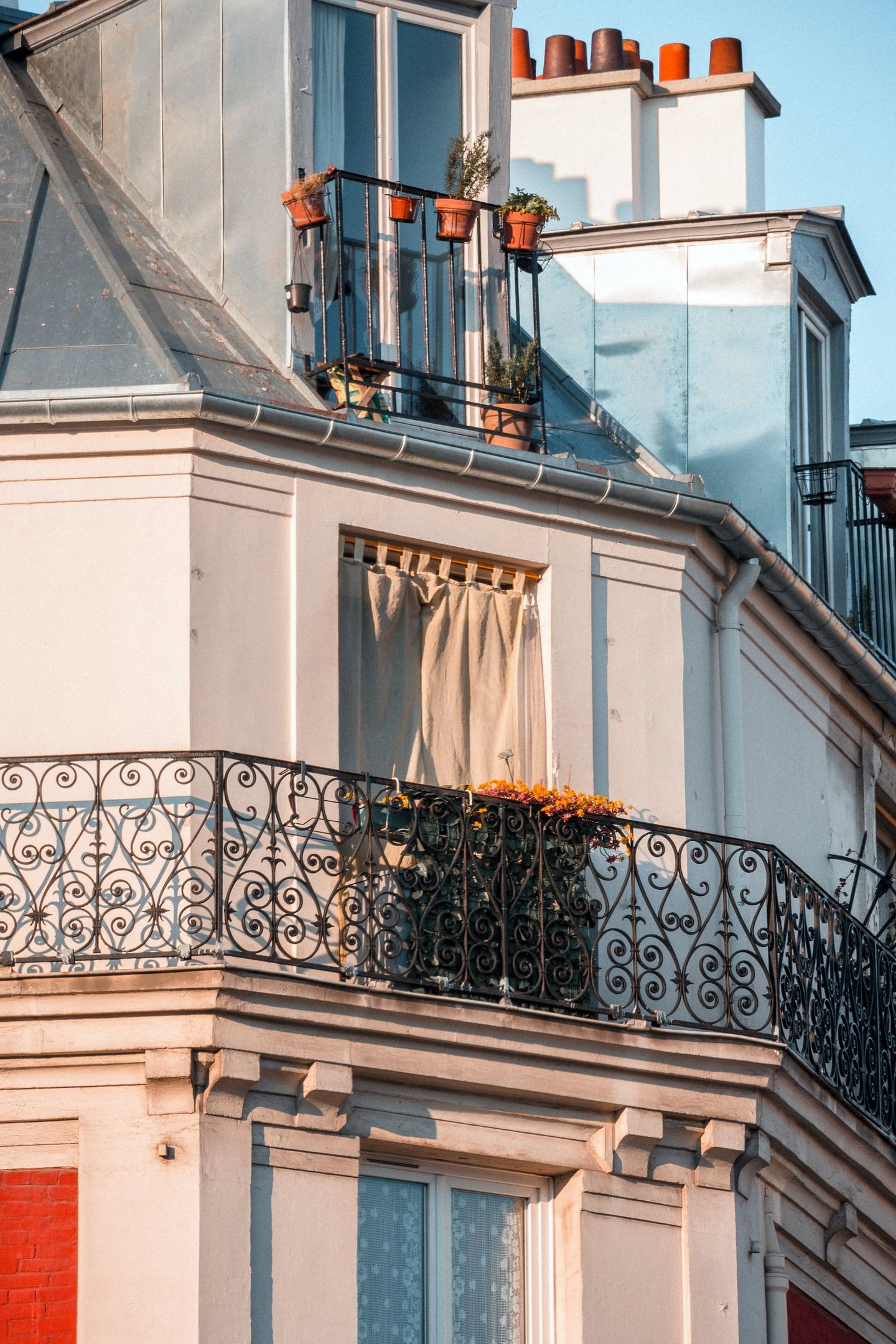
French architecture is renowned globally for its timeless elegance and intricate design.
There’s an enormous array of styles to choose from, all of which are deeply intertwined with the rich history and culture of the country, as well as the artistic legacy of the French.
The significant influence of historical periods such as the Gothic period and Renaissance has made a lasting impact on France’s architectural landscape.
These eras produced such beautiful buildings as Notre-Dame de Paris and the impressive Château de Chambord.
Combining traditional aesthetics and the very best of French artistic heritage, these buildings enchant visitors and architects alike with their ornate details, elegant chandeliers, and classical elements.
Influence of History and Culture
History and culture come together in shaping French architecture.
Each era contributes unique elements that define its character and reflect the nation’s evolution over the centuries.
There are stone carvings and soaring spires, grand facades and stained-glass windows.
These speak to the aesthetic preferences of their time and also capture the social and political changes that influenced their design and construction.
For instance, the transition from the Gothic to the Renaissance marked a significant shift in architectural philosophy and aesthetics, evident in renowned structures throughout France.
The way French architecture puts in dialogue different periods is clear in a few key landmarks and architectural marvels:
- Notre-Dame de Paris: A quintessential example of Gothic architecture, it features flying buttresses and elaborate sculptures that depict biblical scenes, reflecting the era’s focus on religious narratives.
- The Louvre: Originally a fortress, this iconic palace soon transformed into a Renaissance masterpiece, blending classical elements and innovative design.Many are familiar with the famous glass pyramid that serves as its modern entrance.
- Château de Chambord: This regal castle stands as a testament to the Renaissance’s influence, characterized by its distinctive roofline, intricate motifs, and harmonious proportions, representing the grandeur of the French monarchy and the richness of their artistic legacy.
Exploring the synergy between the Gothic and Renaissance styles, it’s easy to appreciate how French architecture captures a narrative of artistic progress that continues to inspire people today.
Emphasis on Symmetry and Proportion
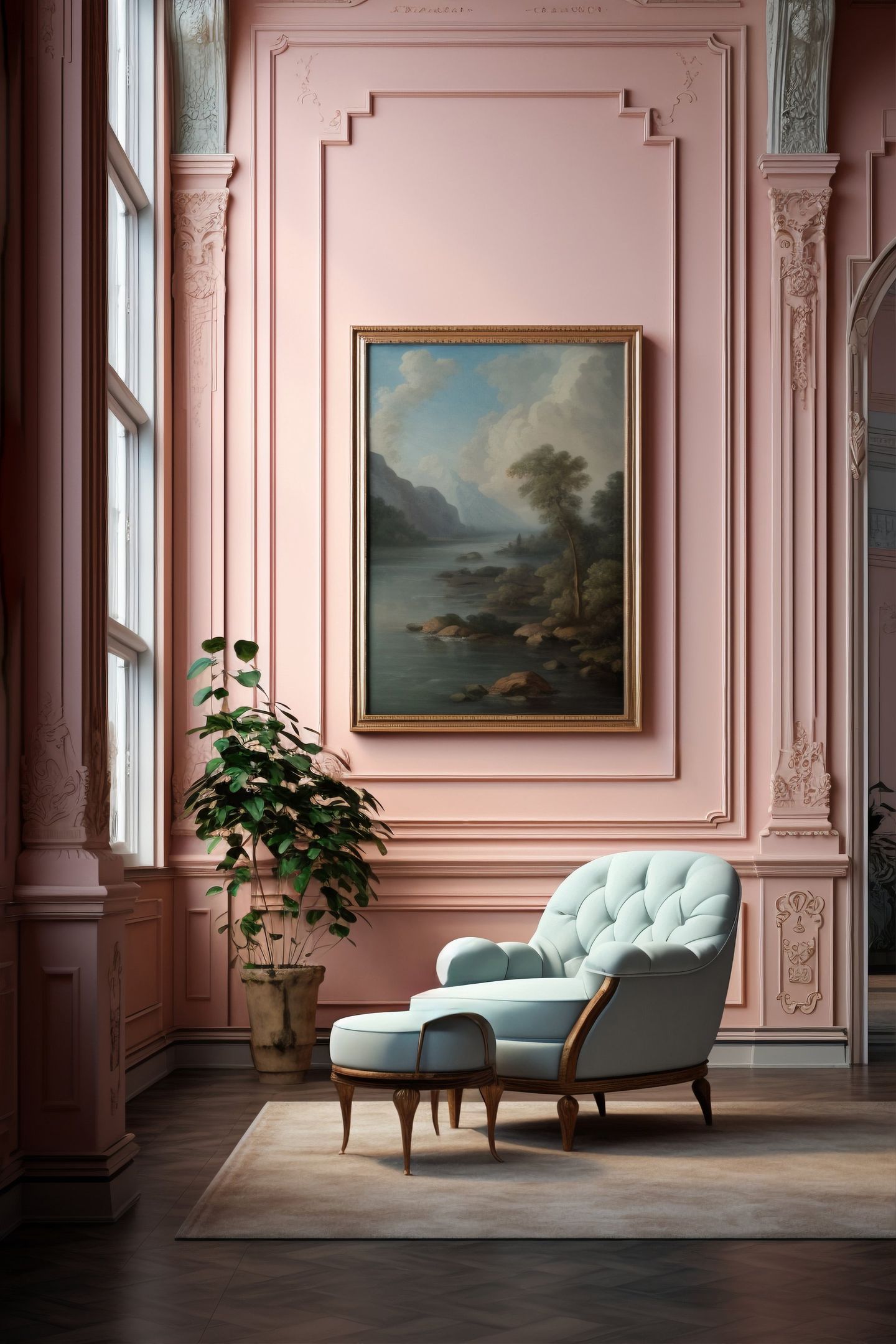
French architecture is well-known for its careful attention to symmetry and proportion.
This emphasis on balance, visible in urban architectural contexts of cities like Paris and Nîmes, enhances the grandeur and intimacy of the structures.
They reflect a cultural appreciation for classical elements, drawing inspiration from ancient Greek and Roman architecture.
A prime example of this is the magnificent Palace of Versailles, where the pristine, manicured gardens dovetail perfectly with the grand façade of the palace.
The result is an exquisite interplay of scale and symmetry—truly worth seeing if you have the chance!
Similarly, the Gothic Sainte-Chapelle features stunning stained glass windows that draw on these architectural principles to pull the eye upward.
Use of High-Quality Materials
The French don’t skimp on quality.
That’s why high-quality materials are such a defining feature of French structures—and it’s also what often accounts for their durability and enduring elegance.
French artisans take great pride in their craftsmanship, drawing upon a rich tradition that values both aesthetics and longevity.
Stone is perhaps the most frequently used and iconic material, frequently sourced locally, which allows for stunning facades that reflect the history and geography of a region.
Additionally, quality wood—whether used in beams or intricate moldings—adds warmth and texture, enhancing the overall ambiance of a space.
Metals, particularly wrought iron, can create that functional but aesthetically powerful contrast.
Attention to Detail
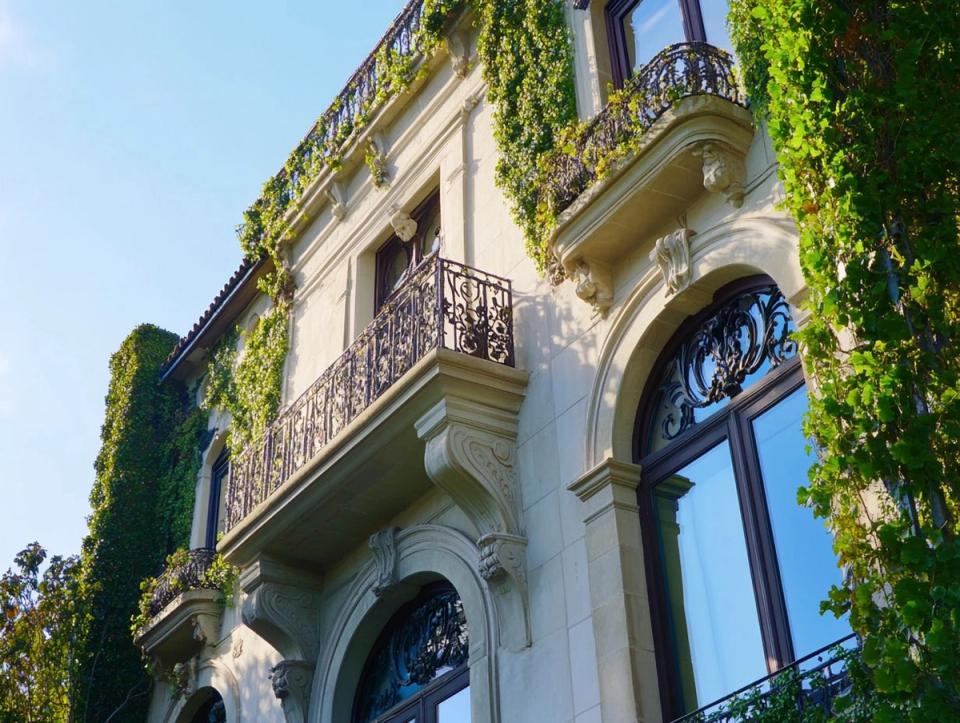
It’s all in the details!
You hear this a lot, but it’s especially true in France.
Attention to detail is a fundamental aspect of French architecture, where ornate features and decorative elements are coalescing to produce the grandeur and sophistication that French style is known for.
The details are how French architecture transcends time and style—with classically French flair!
Think of the decorative mirrors in the Palace of Versailles, for example.
Gold on gold on gold, reflection on reflection on reflection.
The visual effect is hypnotic and dripping with elegance!
Intricate moldings adorn ceilings and doorways, and artistic embellishments, ranging from carefully painted frescoes to elegant friezes, tell rich stories of history and culture, adding depth to every corner.
How to Incorporate French Design Elements into Your Architecture
We’re not expecting that most architects are gunning to recreate the Palace of Versailles.
Still, borrowing French design elements and incorporating them into your own idiosyncratic structures can lend them a touch of sophistication.
There are exciting, more contemporary ways to merge classic aesthetics with modern functionality, capturing the charm of French Country décor and French Provincial design without skimping on the joys of modern architecture.
Leaning into a neutral color palette and maximizing natural light are effective ways to evoke the essence of modern French interiors while also honoring classical elements.
And this is but one example among many more ways to bring this historic style into contemporary contexts!
Incorporate Classical Elements and Modern Furniture
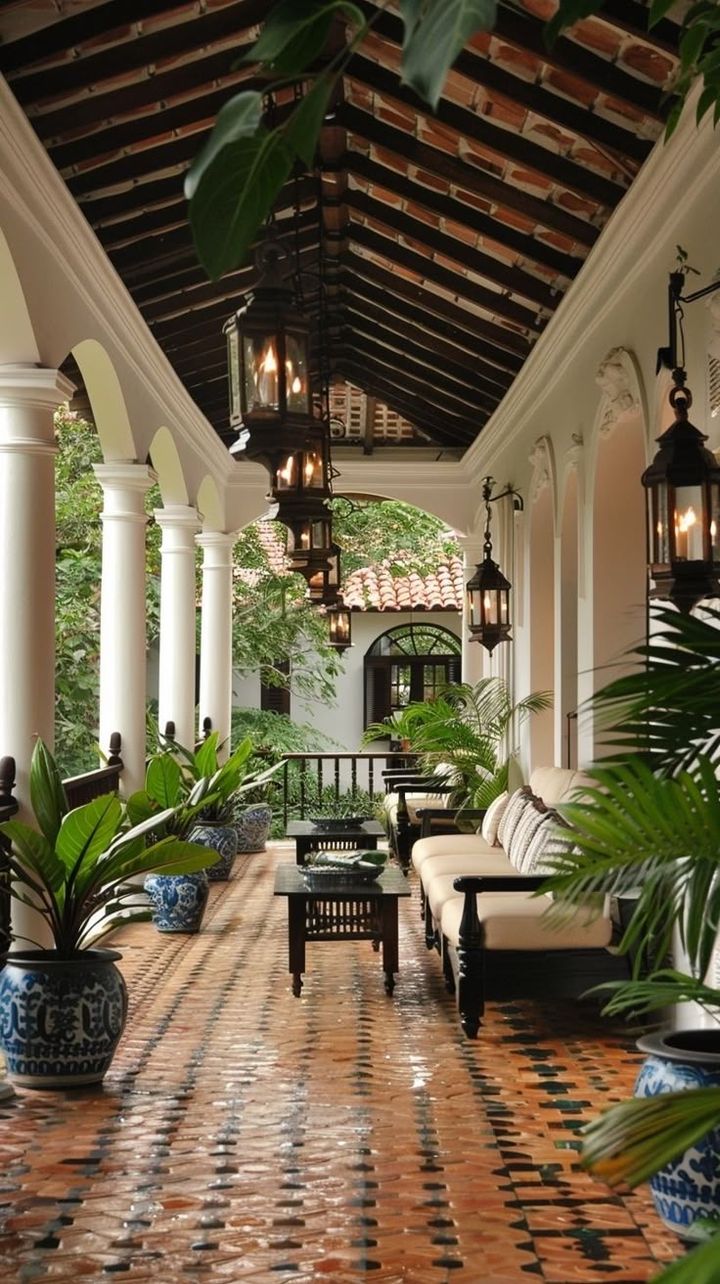
To achieve an authentic French design aesthetic, lean into classical elements such as arches, columns, and intricate moldings alongside modern features.
These embellishments originate from the architectural masterpieces of history—some even further inspired by ancient civilizations.
No matter what, there’s a strong visual link to history that French style creates that can make modern structures even more magical through the unique juxtaposition.
Bring In Natural Light: A Tribute to French Architecture
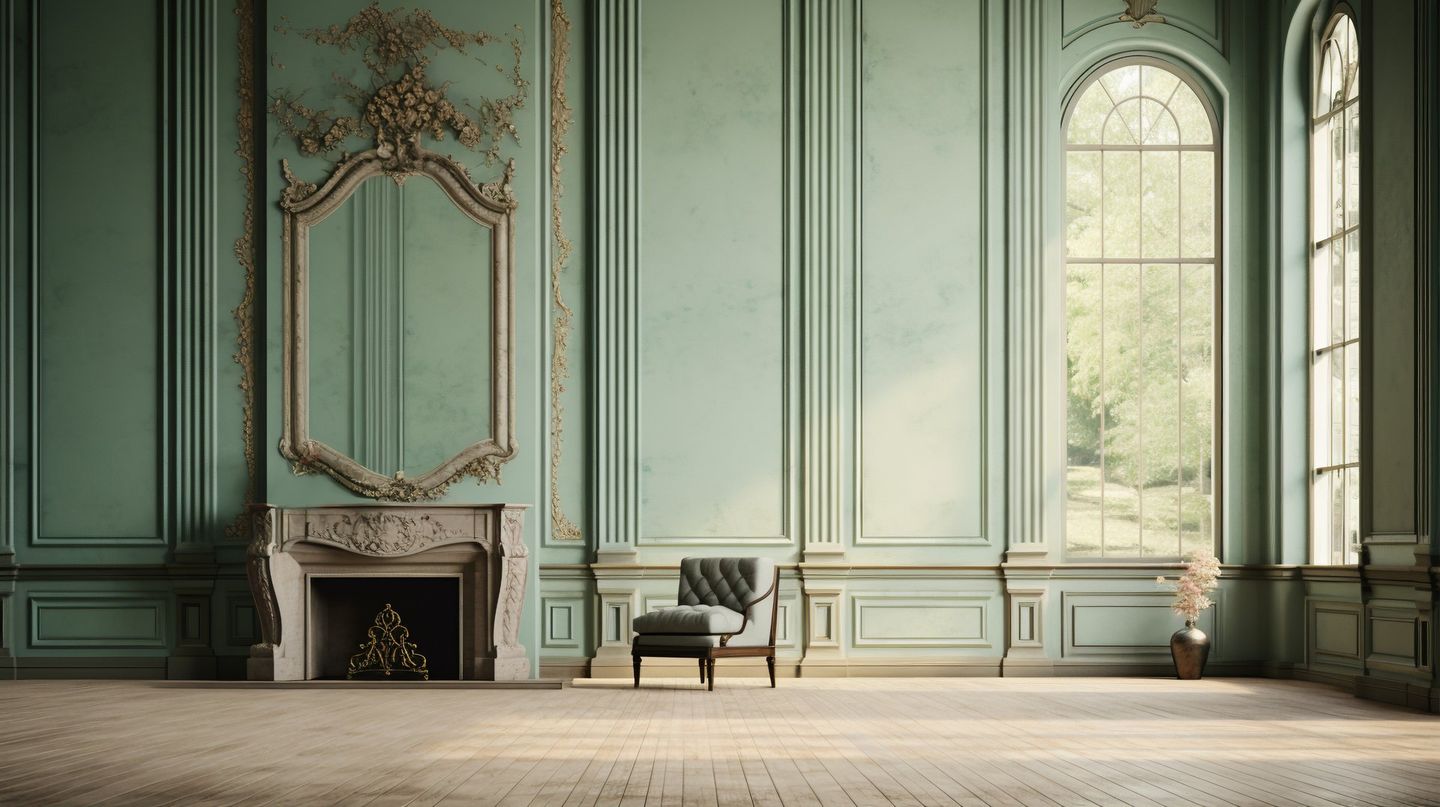
There’s something we at MYA unanimously agree on, and that’s refusing to underestimate the value of natural light.
It can make so many environments breathier, lighter, and elegant.
And of course, it’s ideal for French interiors—arguably even a hallmark of French interior design.
When planning the layout of a building, consider how sunlight can rush in and how that might illuminate other architectural elements and finer details.
- Using large windows can frame the beauty of the outdoors, establishing a seamless connection between the interior and exterior.
- Opting for open spaces allows light to penetrate deeper into the home, promoting a brighter environment.
- Incorporating skylights can dramatically brighten enclosed areas, evoking an airiness that is reminiscent of classical French architecture.
Enhance with Decorative Molding and Trim: A Nod to French Provincial Design
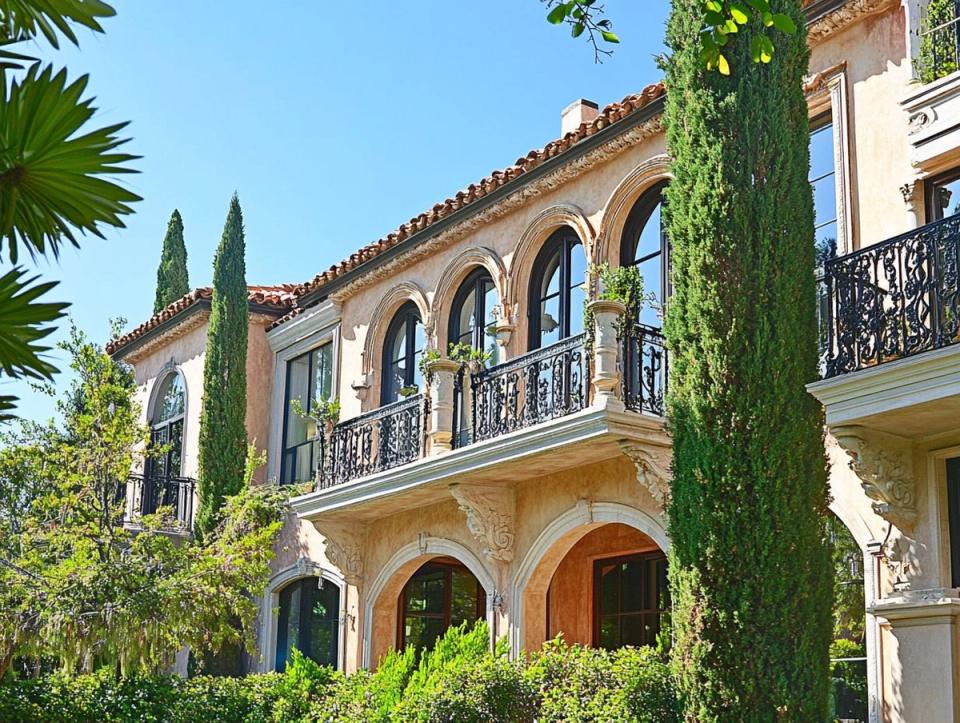
Some more small but meaningful details—decorative molding and trim.
These can be incorporated into almost any kind of design seamlessly and can be a wonderful method of uniting traditional and contemporary settings.
Use them to guide the eye and define boundaries within open spaces.
And there’s a wide variety to choose from!
It’s worth brushing up on all these possibilities, not just for your architecture but also to market French style in a way that is informed and creative.
For example, crown molding creates an elegant transition between walls and ceilings, while baseboards offer a polished finish to the floors.
In classical designs, intricate styles like dentil molding can evoke a sense of history, whereas modern homes might benefit more from sleek and minimalist designs that better align with contemporary aesthetics.
A few more aesthetic choices:
- Victorian Style: This style features ornate trim and curved moldings, providing a rich, textured appearance.
- Craftsman Style: Known for its simplicity, this style employs straight lines and functional designs with natural finishes.
- Art Deco: This style incorporates bold geometric patterns and luxurious materials, reflecting glamour and sophistication.
By thoughtfully incorporating these elements and getting playful with your architectural drawings, you can create spaces that not only feel cohesive and well-designed but also reflect the unique character of the homeowner’s vision.
Use Neutral Color Palettes
Until now, we’ve focused on the embellishments—the maximalist touches that define French architecture.
But now, we’re turning in a different direction, toward a more contemporary French aesthetic, with neutral color palettes.
These can be vital to creating elegant spaces that embody the understated charm of French Country décor, reminiscent of French Provincial design.
Go for soft shades, such as creams, taupes, and light grays, which will induce a serene atmosphere of tranquility and warmth.
In fact, the importance of color selection goes beyond mere visual appeal.
It can profoundly influence both mood and perception within a space.
A few more tips from the MYA team:
- When choosing a neutral palette, consider pairing it with accents in muted tones like sage green or dusty blue.
- Incorporating natural materials, such as wood or stone, can further enhance the inviting quality of neutral interiors, a technique often seen in the Renaissance châteaux of the Loire Valley.
- Subtly introducing brighter colors through accessories like throw pillows or artwork can create focal points without overpowering the simplicity of a neutral backdrop.
The right combinations can significantly impact how spaces are perceived, making rooms feel larger and more welcoming while maintaining an elegant simplicity.
Marketing Strategies for French Architecture
So now that we’ve brushed with the basics of French architecture, let’s talk about what aspects to highlight for your clientele.
Of course, you know your audience best.
These are just a few ideas that, in our experience, have helped clients understand the possibilities that French architecture has in store.
We recommend focusing on high-end clients if you’re going for the full-blown ornate version, but smaller details and stylized elements are for just about anyone!
Here are some tips to get creative with your marketing ideas.
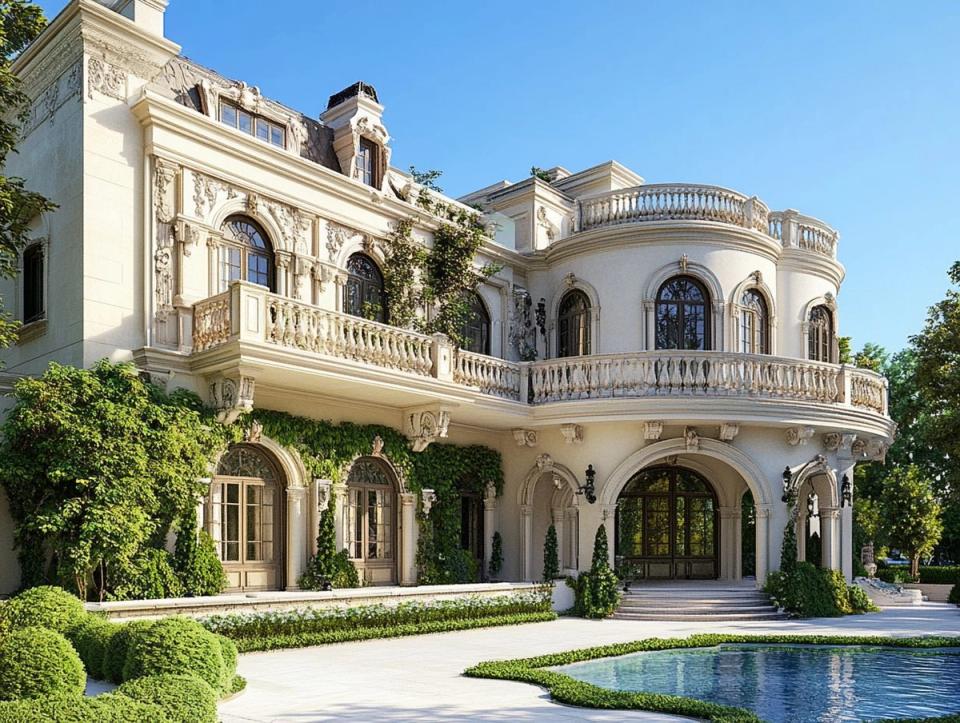
The quality and craftsmanship inherent in French architecture can significantly enhance its appeal to discerning clients.
For that reason, you can ensure that this is front and center in your content marketing.
Emphasizing the intricate artistry that defines this architectural style creates a vivid picture for potential clients.
That’s the story of history you want to tell in your marketing!
Use detailed descriptions of design elements, highlighting the unique materials used, and portraying the rigorous construction techniques can greatly influence perception.
Additionally, featuring stories of the artisans behind the work or sharing behind-the-scenes insights into the building process can help you really connect with your audience and show them what French architecture really entails.
Incorporating testimonials from satisfied clients will further reinforce the value of quality craftsmanship.
And of course, we can’t forget about high-quality visuals.
Using digital marketing channels to share these images can portray the beauty and rich history of French architecture, including the grandeur of Renaissance features and the iconic French interior design elements seen in French Country décor and French Provincial design.
The proof is in the pudding, as they say!
Show them that French architecture is an investment in exceptional artistry and meticulous attention to detail.
And of course, if you use social media platforms, you’re more likely to hit on the right clientele due to how many individuals these platforms can reach.
The potential to engage with a growing market of individuals interested in luxury and bespoke architecture is why effective marketing is so valuable.
And of course, our team of experts is always here to help if you need it.
Frequently Asked Questions
1. What is Marketing French Architecture: Timeless Elegance in Design?
Exploring French architecture reveals a rich tapestry of styles, from the grandeur of French Baroque to the intricate rococo style.
French buildings like the Palais in Fontainebleau and the Abbey of Cluny showcase ornamental designs and symmetrical layouts, reflecting the tastes of monarchs such as Louis XIV.
The Romanesque style of the 10th century and French Gothic architecture from the early 13th century feature high ceilings, vaults, and arches, exemplified by notable examples like the Luxembourg and Chateau structures.
Modern French architecture continues to draw inspiration from these styles in France.
In the south of France, the use of vaults and arches became prominent during the 15th century and 16th century, with designs often featuring mansard roofs and intricate arcades.
Haussmann transformed Parisian streetscapes in the 17th century, imposing a blend of neoclassical and French Gothic elements.
2. What sets French architecture apart from other styles in terms of marketing?
French architecture is known for its timeless elegance, sophistication, and attention to detail.
This unique style, seen in Gothic architecture and landmarks like the Pont du Gard and Arena of Nîmes, stands out in the market and can attract potential buyers looking for a classic and elegant design for their homes or buildings.
3. How can marketing French architecture benefit architects and designers?
Marketing French architecture can significantly benefit architects and designers by showcasing the unique style of architecture that evolved since the Middle Ages.
Regions in parts of France often feature structures with elements leading into the nave of churches, which were never popular in other cultures.
Additionally, buildings covered with lime are a hallmark of French heritage, creating a distinct aesthetic seen across France.
4. Are there any specific strategies for effectively marketing French architecture?
To effectively market traditional french architecture, leveraging the rich history dating back to 1500 is essential.
Highlighting unique design elements, such as ornate facades and intricate details, can attract enthusiasts.
Using social media platforms and virtual tours also helps to reach a broader audience, showcasing the beauty of French architectural heritage.
5. Is Marketing French Architecture: Timeless Elegance in Design limited to only residential buildings?
No, French architecture can be applied to various types of buildings including commercial and public spaces.
We at Market Your Architecture can assist in marketing all types of French architecture designs, from residential homes to grand commercial structures.