Modular homes are transforming our approach to custom home design.
They unite efficiency, sustainability, and flexibility in ways that traditional construction of site-built homes often don’t do in quite the same way.
There’s a reason there’s a bit of buzz around them!
In this article, we’ll go over all their advantages—as well as how to highlight those perks for marketing purposes, of course.
Key Takeaways:
- Modular homes, including factory-built housing, offer cost savings, increased efficiency, and environmental benefits in custom home design.
- Building codes and stigmas may pose challenges, but architects can successfully incorporate modular homes into custom designs while enhancing construction efficiency.
- The growing market for custom homes and the demand for unique, flexible designs make a strong business case for using modular homes, including Mini Living and Blu Homes.
What are Modular Homes?
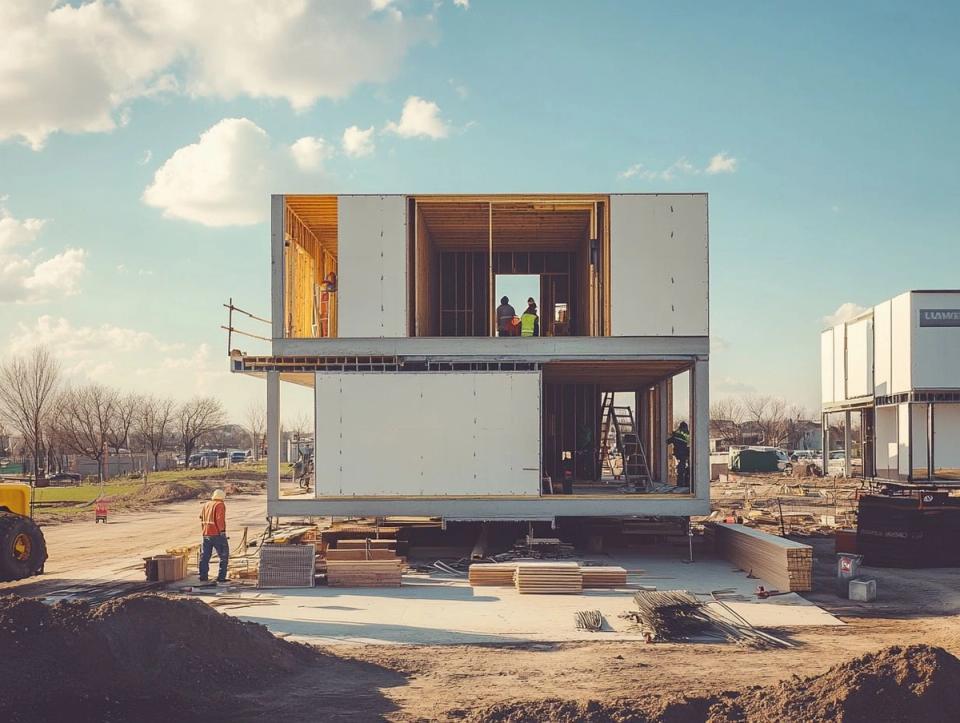
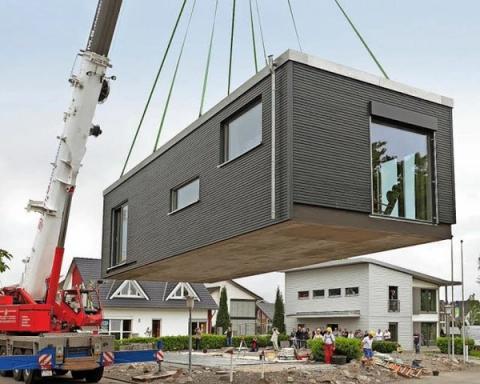
Modular homes are a modern approach to residential construction, consisting of sections or modules that are built off-site and then transported for assembly on location.
These could be anything from foundation finishing to interior exterior finishing.
And it’s a popular method because it serves as an efficient and sustainable alternative to traditional site-built homes.
Typically constructed using eco-friendly materials, modular homes adhere to the principles of sustainable building practices and are designed to comply with strict building codes and regulations.
They also make plenty of room for easy customization.
If high-quality designs that meet diverse consumer needs, including economically-savvy benefits, are what you’re after, modular homes may capture your heart.
How Do Modular Homes Differ from Traditional Homes?
Modular homes set themselves apart from traditional site-built homes, particularly in their construction process and design flexibility.
Traditional homes are built entirely on-site, of course, but modular homes are constructed in a factory environment or assembly line.
Why?
Well, this method provides greater control over quality and efficiency.
That’s why modular homes experience fewer delays and ensure compliance with strict building regulations and codes, which makes the inspection process a walk in the park compared to some on-site construction.
What is the Market for Custom Home Design?
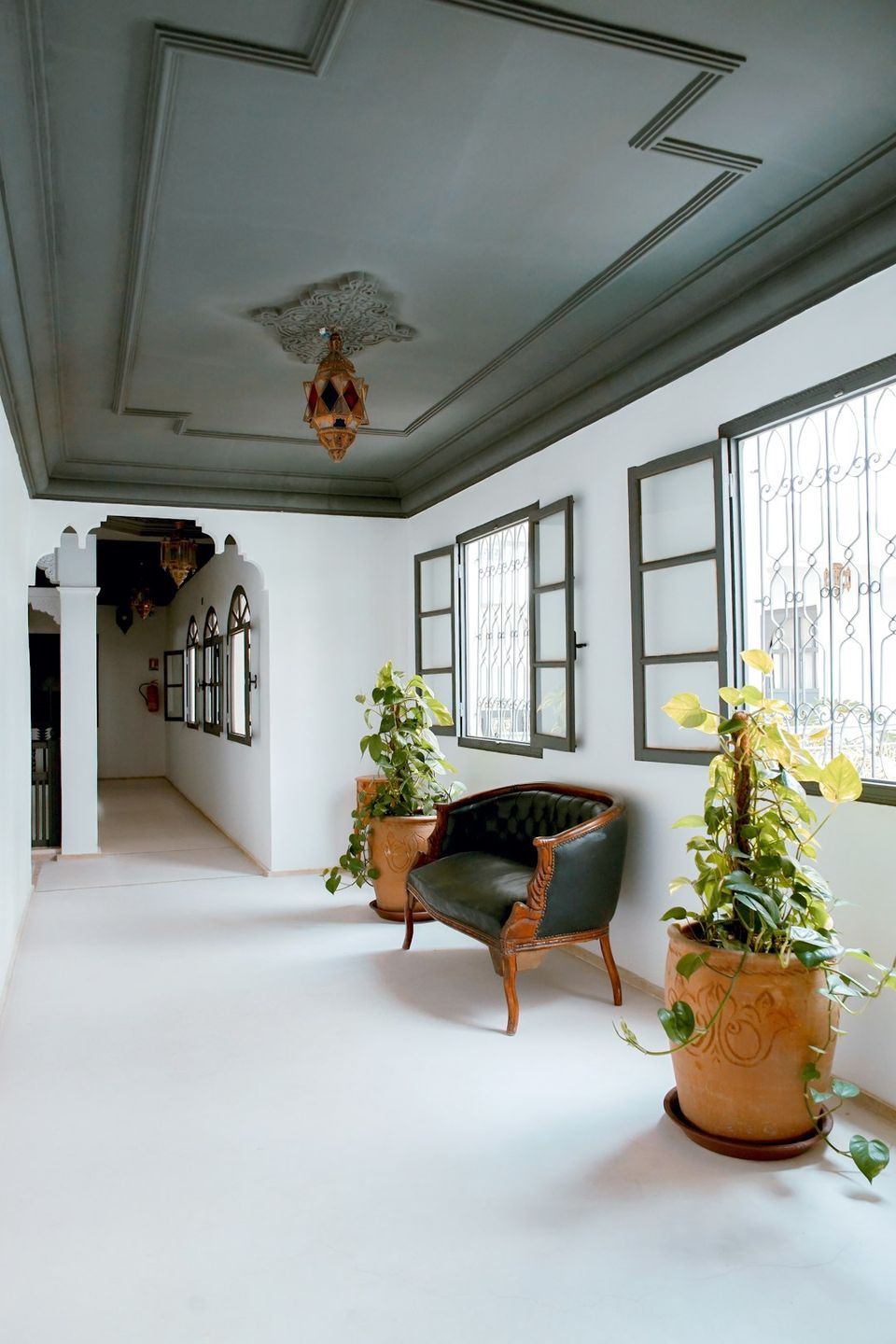
If you’re looking to advertise prefab architecture, whether you market online or elsewhere, it’s good to know what they offer with a view to the client perspective.
Who needs modular homes?
And why?
The market for custom home design is shifting and changing, largely due to:
- Rising challenges related to housing affordability
- Consumer preferences for distinctive living spaces
- An increasing awareness of modular solutions and prefab solutions.
While custom home design was in especially high demand back in the early 90s, it started to take a gradual, winding dip.
Still, demands have remained relatively high in 2024, hovering at around 20% of the market share for single-family starts.
Architects and builders are actively addressing these demands by providing flexible design options that include architectural details tailored to individual lifestyles and needs.
The consumer experience is improved in many ways through these solutions.
And unsurprisingly, this flexibility also promotes market growth, as more homeowners seek innovative housing solutions that resonate with their personal tastes and values when it comes to architectural details.
What are the Trends in Custom Home Design?
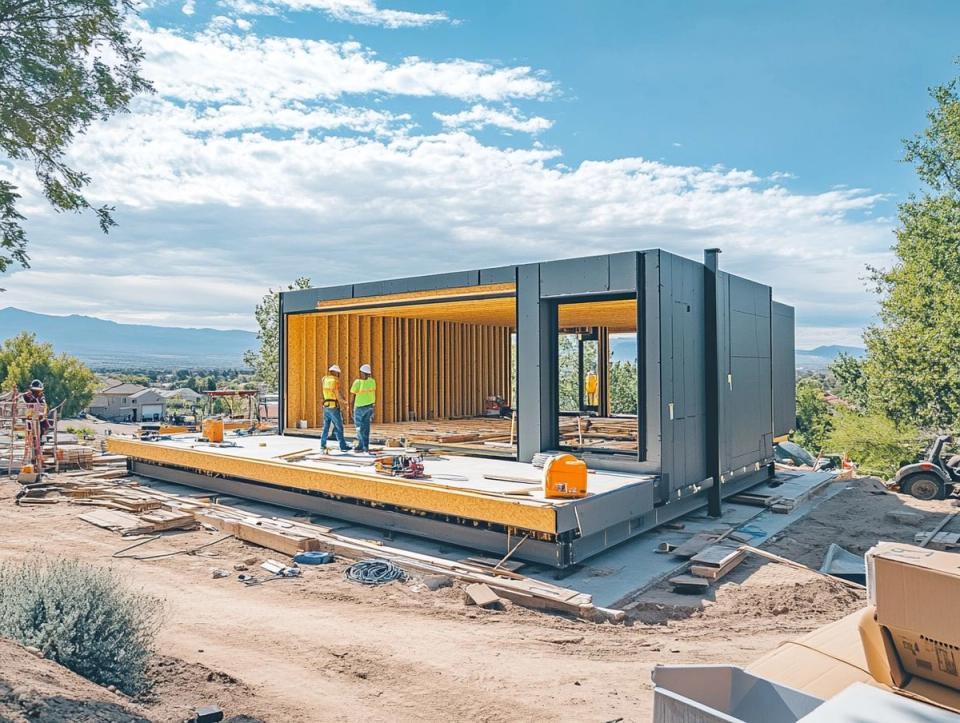
Sustainability and energy efficiency are probably one of the biggest highlights here.
Recent trends in custom home design indicate a notable shift towards sustainable construction practices and modular architecture.
And there’s a strong emphasis on energy-efficient solutions that address the requirements of contemporary housing.
If you’re aiming to introduce some creative and unique marketing ideas, then they should take these shifts into account and consider the “why” of them and how trends are taking shape.
That way, if engage in the design collaboration that modular homes encourage, you’ll know how to cater to your clients.
You’ll also be able to show them how they can influence layouts, materials, and aesthetics, resulting in a more personalized home-building experience, using modular design and CAD software.
And the the range of customization options within modular homes has only become bigger and better over time.
Homeowners who seek distinctive spaces while also minimizing their environmental impact with energy-efficient solutions are likely to love this flexibility.
In this evolving landscape, homeowners get to be active participants in shaping their living environments.
This engagement is reflected in the rising preference for energy-efficient technologies such as solar panels, smart home systems, and high-performance insulation, all of which help to reduce long-term energy costs and carbon footprints.
Then, of course, there’s the typical modular home use of sustainable materials—from reclaimed wood to recycled steel.
Many architects are adopting innovative design strategies, including passive solar design and green roofs, which enhance the overall efficiency and durability of custom homes.
And of course, that’s pretty appealing to clients who care about the environment—or who simply wish to cut electricity bill costs.
Or both.
What are the Advantages of Modular Homes in Custom Home Design?
When you’re diving into the world of modular and manufactured homes, you stand to uncover some solid payoffs!
They can handle extreme weather better, and you won’t be stuck waiting ages for your home builders to finish.
Plus, with hundreds of floor plans available, you can create a space that truly reflects a client’s needs and aesthetic—a real dream home without the hefty price tag.
Cozy living areas and sleek designs are easy to create when you can work with your clients to help ensure modular home manufacturers know what to do to make their vision come to life.
Another awesome feature is that you can easily create a home that suits clients’ needs—no matter how idiosyncratic and eclectic they may be.
Want a fancy fixture in the kitchen?
Eager for an ornamental aesthetic?
Go for it!
Just because the home building process is partially off-site, and just because the parts are manufactured off-site, doesn’t mean all the homes are going to come out like little boxes looking just the same.
This flexibility makes the home-building process way more enjoyable.
Plus, with premier modular options, you can find quality homes that are move-in ready.
So, when you start searching for homes for sale, make sure to check out the offerings from modular home builders and local home dealerships to find your perfect match!
What is the Business Case for Modular Homes in Custom Home Design?
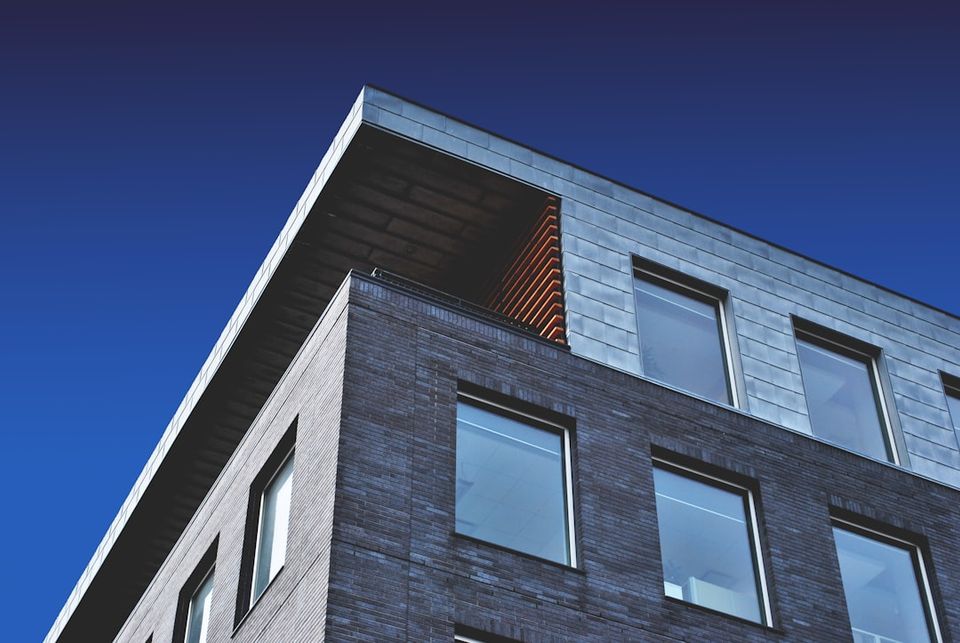
We at MYA would say that the business case for modular homes in custom home design is quite compelling.
That’s probably especially true given the challenges currently faced by the construction industry, such as efficiency, housing supply, and financing.
Modular homes offer a solution that streamlines the building process while at the same time addressing the growing demand for affordable housing options and the housing supply.
By using advanced construction techniques, including prefabricated homes, architects and builders are able to adhere to strict timelines and budgets while delivering high-quality residences.
This approach could do wonders to enhance your competitive advantage.
What are the Cost Savings of Using Modular Homes in Custom Home Design?
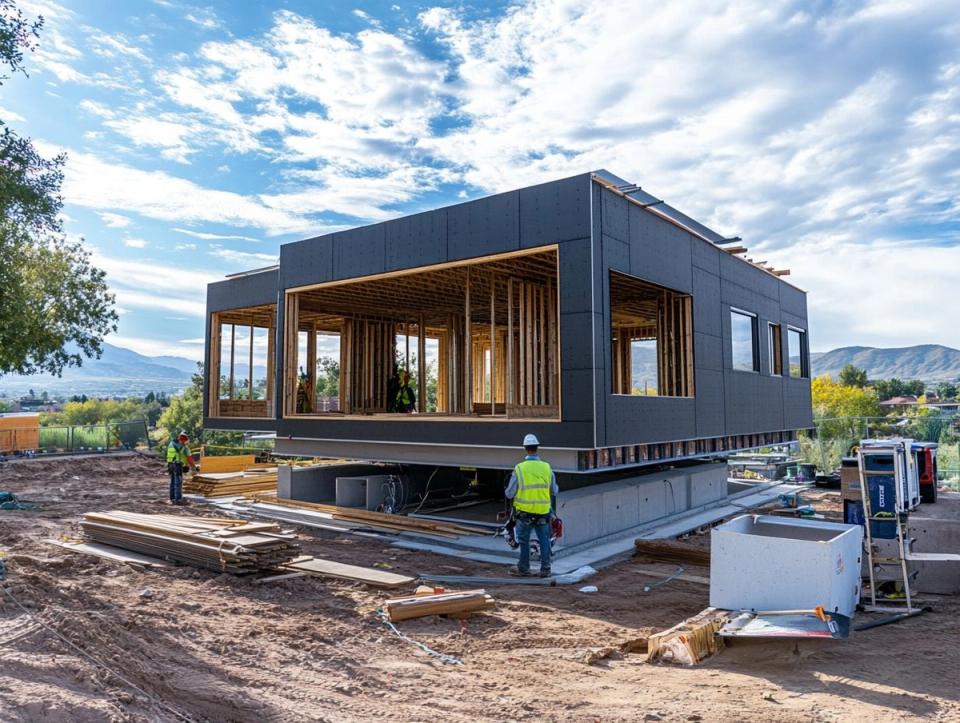
One of the most significant advantages of modular homes is the potential for considerable cost savings when compared to traditional homes or mobile homes.
This cost efficiency is largely attributed to the streamlined construction processes achieved through factory-built methods, which help to lower labor costs and minimize material waste, improving material efficiency.
Additionally, modular homes are constructed to meet stringent building standards, ensuring they maintain their value and perform well over time.
In our minds, that’s what makes them such a prudent investment for homeowners.
The cost savings associated with modular homes can be traced to several key factors that benefit both builders and buyers:
- Reduced Labor Costs: Since modular construction takes place in a factory setting, there is a decreased need for on-site labor, which directly contributes to lowering overall costs.
- Material Efficiency: Factory environments allow for more precise material usage, effectively reducing waste and decreasing expenses related to purchasing excess supplies.
- Long-Term Financial Benefits: Modular homes often boast lower energy costs due to superior insulation and building methods, including energy-efficient technologies, leading to financial savings over time for homeowners.
What are the Environmental Benefits of Modular Homes in Custom Home Design?
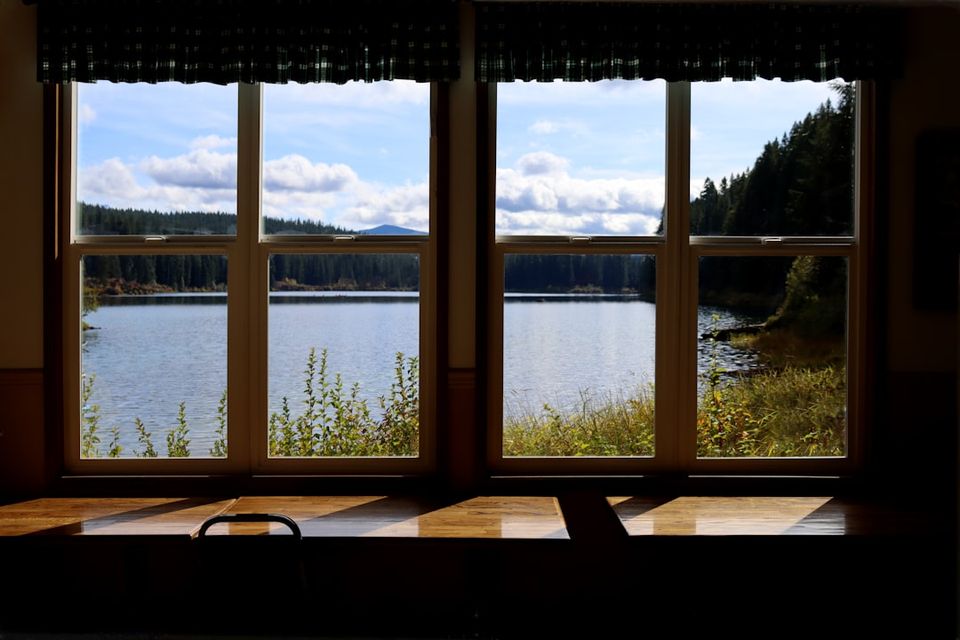
Modular homes present a range of environmental benefits that align closely with sustainable construction practices.
If you have clients that are environmentally conscious, this is what makes modular homes a compelling option.
The use of high-quality, eco-friendly materials, such as sustainable wood products, in their construction significantly reduces the environmental impact typically associated with traditional building methods.
They also create less waste, due to waste reduction being a primary focus in construction.
Advertising this sort of thing, especially if you are aligned with such a commitment, can help to demonstrate the responsibility of your firm to your clientele.
Because they’re manufactured off-site, they’re unlike conventional buildings that frequently leave behind substantial amounts of scrap materials.
Several other factors contribute to the environmental advantages of modular homes:
- Efficient use of resources: Modular homes often use renewable resources and advanced technologies, such as energy-efficient insulation and sustainable wood products, which help to minimize their carbon footprint.
- Minimal site disruption: The modular construction process significantly lowers the environmental impact on building sites, preserving local ecosystems while minimizing soil disruption.
- Less energy consumption during construction: Conducting construction in a factory setting streamlines the process, leading to shorter build times and reduced overall energy consumption.
Together, these factors establish modular homes as a responsible choice for individuals seeking to reduce their ecological footprint while still enjoying the comforts of modern living amenities.
How do Modular Homes Provide Flexibility and Customization for Clients?
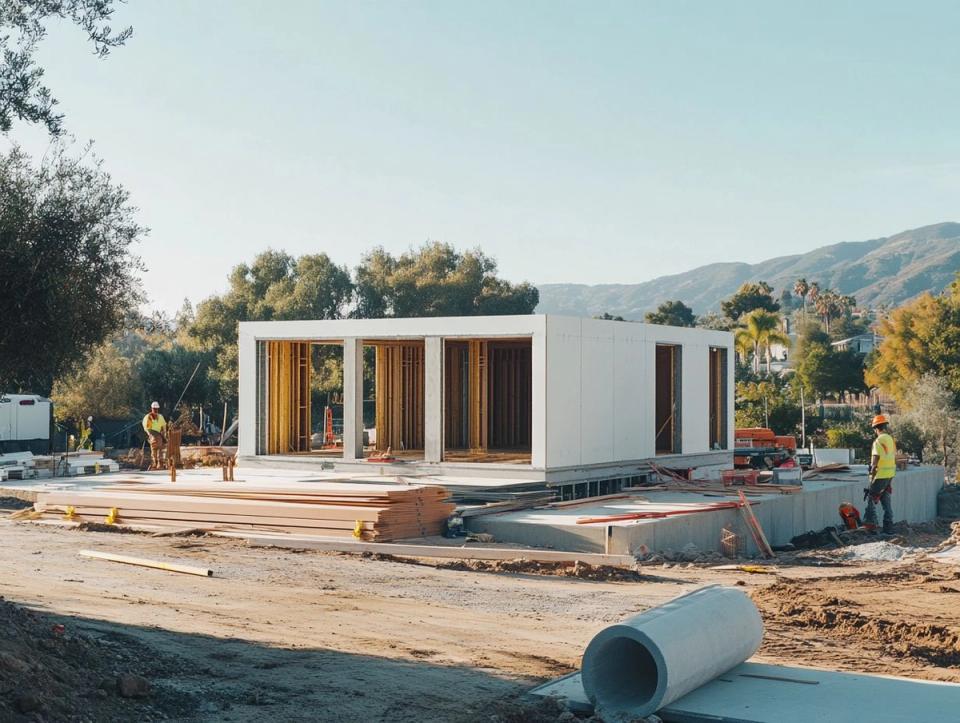
Modular homes are highly regarded for their flexibility and customization options, which you can advertise to clients.
Through collaborative design efforts between you and your clients, you can easily make adaptations to fit a wide range of styles, layouts, and functionalities.
This level of adjustment and flexibility highlights what we see as the versatility of modular design in addressing the diverse demands of the housing market.
Start with a solid understanding of your client’s dream home and lifestyle.
For example, clients have the opportunity to select from various exterior styles, including modern, rustic, or traditional, ensuring that the home’s exterior aligns with their personal taste.
Internally, customizable floor plans may feature open-concept living spaces, additional bedrooms, or even eco-friendly installations like plexi glass windows and fluted wall panels.
We recommend capitalizing on these advantages by engaging clients throughout the design process.
This way, you can provide insights on materials, energy efficiency, and smart home technologies while giving your client a sense of control over the whole process.
It is their home after all!
Pair all this with a brilliant selection of finishes and color schemes, incorporation of sustainable elements, and various landscaping options, and you’ll give your clients the power to curate an environment that resonates with their way of life.
To us, the blend of creativity and practicality in modular home construction is at the root of what makes them so inspiring.
And inspiration is what you need to be creative with your offerings and your marketing, right?
If you’re after some creative ideas for how to bring some personalized flair to a client’s modular home, you can check out our blog post on Mediterranean interior design at this link.
Or perhaps this one on Japanese home design.
What are the Challenges and Limitations of Using Modular Homes in Custom Home Design?
While modular homes offer numerous advantages in custom home design, they do have their own challenges, of course.
Misconceptions and consumer perceptions regarding modular homes can hinder their acceptance in the market.
Educating consumers to help potential homeowners understand the genuine benefits of this innovative building approach is something your marketing could take seriously.
How to Market Modular Homes
If you’re looking to market modular homes, we’d recommend beginning without assuming your audience knows everything there is to know.
You could start by showcasing the selection of modular home options out there, getting folks excited and inspired.
Perhaps you could bring attention to new modular designs and offer a range of modular home floor plans that fit any lifestyle.
Let clients know they can find the perfect custom modular homes that suit their needs.
Share info about manufactured and modular homes and the benefits of custom floor plans.
And be sure to clue them up about modular home quality and affordability, which makes it easy for anyone to purchase a home that truly feels like their perfect home.
You may want to use social media to share some modular home plans and floorplans, so buyers can see the quality modular builds available.
You can even provide insights on home financing options to make the process smoother for new homebuyers—yes, even in the marketing period of the process!
And if you feel you may need some extra insights or marketing advice, we’re always on hand to help.
You can get in touch on our website.
Frequently Asked Questions
What are modular homes and how are they different from traditional homes?
Modular homes are factory-built homes that are constructed in different sections or modules and then transported to the designated site for assembly.
They differ from traditional homes in terms of construction method, as they are built indoors and can be customized to fit unique design preferences.
What is the business case for incorporating modular homes in custom home design?
Firstly, they offer a faster and more efficient construction process, resulting in reduced labor costs and faster turnaround times.
Secondly, they provide more design flexibility and customization options for clients, making them more appealing in a competitive market.
Lastly, modular homes are often more energy-efficient and cost-effective, making them a viable long-term investment for both the builder and the client.
How do modular homes benefit architects in terms of marketing their services?
By incorporating modular homes in their design solutions, architects can showcase their ability to adapt to modern construction methods and offer unique, customizable options for clients.
This can set them apart from competitors and attract potential clients seeking more innovative and efficient home designs.
Additionally, marketing modular homes can also expand an architect’s target market to include clients looking for a faster and more budget-friendly construction process.
Are there any challenges in incorporating modular homes in custom home design?
While modular homes offer numerous benefits, and there are also some challenges that architects may face when incorporating them in their design solutions.
These include potential challenges in obtaining permits and approvals for modular homes in certain areas, as well as the need for careful planning and coordination during the transportation and assembly process.
However, with proper research and planning, these challenges can be mitigated to ensure a successful project.
How can architects educate clients about the benefits of modular homes in custom home design?
Educating clients about the benefits of modular homes can be done through various means, such as incorporating them in marketing materials, showcasing successful projects, and providing informative resources on the topic.
Additionally, architects can also offer consultations and presentations to potential clients to explain the business case for modular homes and address any concerns or misconceptions they may have.
Can modular homes be incorporated in high-end or luxury custom home designs?
Yes, modular homes can be customized and designed to fit any budget or style, including high-end and luxury custom home designs.
In fact, modular homes offer even more design flexibility and customization options than traditional homes, making them a desirable option for clients seeking a unique and luxurious home.
With proper planning and coordination, architects can seamlessly incorporate modular homes into high-end custom designs to create stunning and functional living spaces.