The Mediterranean style is a timeless aesthetic that evokes the warmth and charm of sun-soaked coastal regions.
Its evolution reflects a rich history of cultural influences, resulting in a design that celebrates both tradition and modernity.
Key elements that define modern Mediterranean interior design include earthy color palettes and the seamless blend of indoor and outdoor spaces.
Learn how to infuse your home with these enchanting features and create a haven that captures the essence of Mediterranean living.
Key Takeaways:
- A modern Mediterranean interior design incorporates warm and earthy colors, natural materials, open and airy spaces, and a mix of old and new elements.
- To achieve a modern Mediterranean look, start with a neutral base and add splashes of color, incorporate natural materials, and create a seamless indoor-outdoor flow.
- The key to stunning modern Mediterranean design is to balance elements of the old and new, embrace natural light, and play with textures and patterns throughout the space.
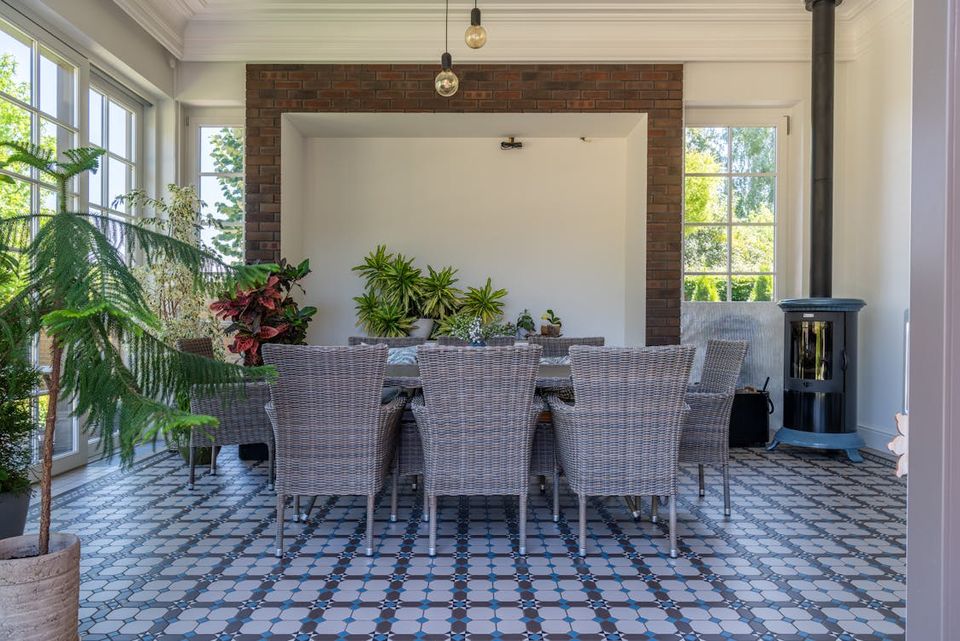
What is the Mediterranean Style?
The Mediterranean style is a design aesthetic that encompasses a rich blend of cultural influences from Southern Europe, particularly from countries like Spain, Italy, Greece, and Morocco, and is characterized by its warm and inviting atmosphere. This timeless style incorporates a variety of elements, including earthy tones, natural materials, and handcrafted furnishings, creating a cozy and elegant environment that reflects the beauty of coastal living. From vibrant hues to subtle textures, Mediterranean interior design evokes a sense of history and comfort, making it a popular choice for homes seeking warmth and character.
How Did the Mediterranean Style Evolve?
The evolution of the Mediterranean style is a fascinating journey through history, stemming from the ancient civilizations of Europe and the rich cultural exchanges that transpired along the Mediterranean Sea, particularly in countries like Spain, Italy, and Greece.
This journey reveals how diverse architectural techniques, materials, and design aesthetics were influenced by various regions, creating a vibrant tapestry that defines the Mediterranean aesthetic.
- The architectural elements often featured in this style include arched doorways and tiled roofs, which can be traced back to the Islamic rule in Spain.
- Similarly, the use of local stone and stucco reflects the natural resources available in different areas.
- Vibrant colors and intricate mosaics mark the contributions of ancient Greece, offering a link to natural surroundings.
As the Mediterranean style evolved, it assimilated these myriad influences, becoming a symbol of the region’s shared history and cultural cohesion.
What are the Key Elements of Modern Mediterranean Interior Design?
Modern Mediterranean interior design seamlessly blends traditional elements with contemporary aesthetics, creating spaces that are characterized by a warm and earthy color palette, the use of natural materials, and an emphasis on open and airy spaces that invite tranquility and comfort into the home. This design style celebrates the beauty of simplicity while incorporating rich textures and intricate patterns, making every room a canvas of creativity and expression. By striking a balance between rustic charm and modern elegance, the key elements of this style transform homes into inviting sanctuaries that echo the vibrant culture of the Mediterranean.
Warm and Earthy Color Palette
A warm and earthy color palette is foundational to modern Mediterranean interior design, often incorporating neutral tones alongside vibrant hues that reflect the natural beauty of the Mediterranean landscape.
In creating an inviting atmosphere, these colors evoke feelings of warmth and serenity, reminiscent of sun-soaked shores and lush greenery. When selecting colors, consider a blend of soft lavenders, sky blues, and rich terracottas that not only echo the environment but also promote relaxation and comfort.
- Soft yellows can brighten spaces, enhancing a feeling of openness.
- Deep greens can instill a sense of tranquility, linking the indoors with the surrounding nature.
- Combine muted neutrals with pops of bold color for a balanced look.
Remember, the key to achieving a harmonious Mediterranean vibe lies in understanding how these hues interact with natural light and textiles, crafting a cohesive and inviting space that encourages a leisurely lifestyle.
Natural Materials
Natural materials play a crucial role in modern Mediterranean interior design, emphasizing craftsmanship and authenticity through the use of wood, stone, and other elements that evoke a sense of rustic warmth.
The incorporation of such materials not only brings an element of nature indoors but also enhances the overall aesthetic of a living space, fostering a tranquil and inviting atmosphere.
Wooden beams can add a striking architectural element while providing structural integrity, while
- stone flooring
- terracotta tiles
- handwoven textiles
contribute to the Mediterranean charm by introducing textures that are pleasing to the eye.
To effectively source these materials, consider visiting local artisan shops or eco-friendly building supply stores. Integrating reclaimed wood or vintage pottery can provide a unique character to any home decor, emphasizing sustainability and a connection to history.
Open and Airy Spaces
Open and airy spaces are a hallmark of Mediterranean interior design, promoting a sense of lightness and flow that enhances the overall atmosphere of a home.
This characteristic not only maximizes natural light but also fosters a connection between indoor and outdoor environments, which is essential for achieving that inviting coastal feel. To create such spaces, one can employ various design strategies that emphasize simplicity and functionality.
- Opt for large windows or sliding glass doors to allow sunlight to flood the interiors.
- Incorporate light, neutral colors on walls and furnishings to reflect this brightness.
- Utilize natural materials, such as terracotta tiles and wooden beams, to enhance warmth and texture.
For example, a living room adorned with white-washed walls paired with blue accents can evoke the serene beauty of the Mediterranean coast, creating a perfect retreat from the everyday hustle and bustle.
Mixing Old and New Elements
Mixing old and new elements is a defining characteristic of modern Mediterranean interior design, creating a unique aesthetic that honors tradition while embracing contemporary influences. This harmonious blend not only highlights the history behind classic designs but also introduces freshness and innovation, making spaces feel both lived-in and vibrant. The juxtaposition of vintage and modern pieces can evoke a rich narrative about the past while showcasing the durability and style of today’s trends. Homeowners can achieve this delicate balance by thoughtfully curating their decor, ensuring each piece communicates a story, further enhancing the layered look of their interiors.
To skillfully combine vintage and modern furnishings, consider implementing the following tips:
- Start with a Neutral Base: Using a neutral color palette for walls and large furniture allows both vintage and modern items to shine.
- Layer Textures: Mix materials such as wood, metal, and fabric to create depth; for example, pair a sleek modern dining table with ornate, vintage chairs.
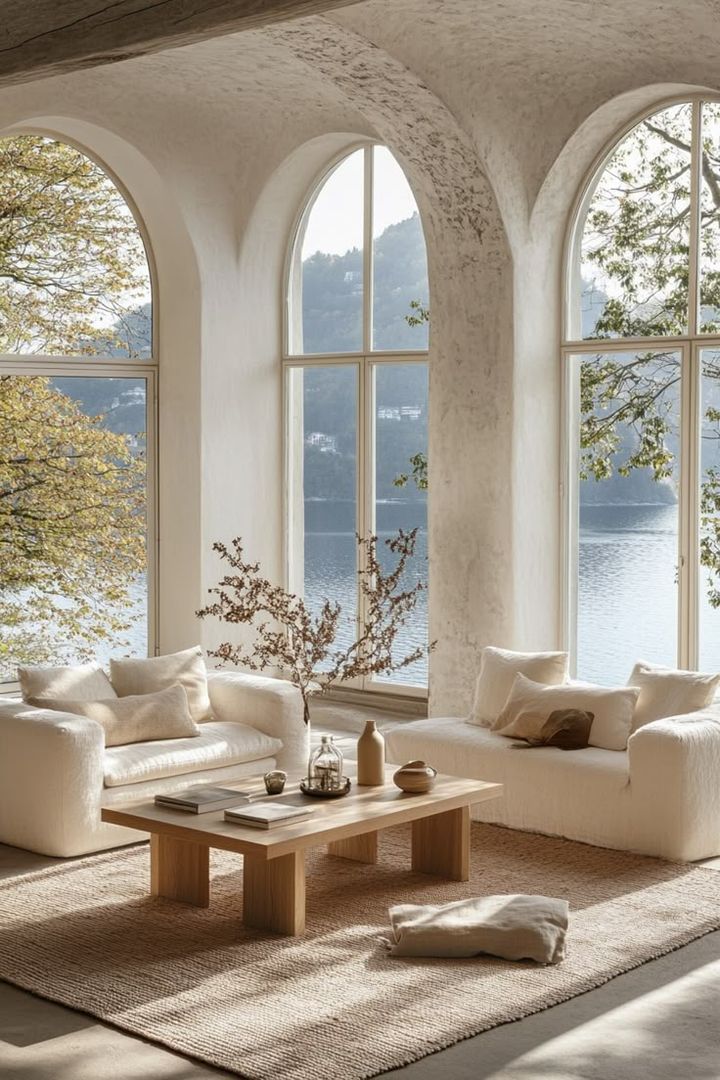
- Highlight Architectural Features: Keep original architectural elements intact, such as exposed beams or arches, which can serve as a perfect backdrop for modern art.
- Statement Accessories: Incorporate bold decor pieces that represent current trends but are juxtaposed with antique finds to create visual interest.
By following these tips, anyone looking to enhance their home decor can achieve a balanced and inviting space that reflects both time-honored elegance and contemporary flair.
Incorporating Natural Light
Incorporating natural light is essential to Mediterranean interior design, as it enhances the atmosphere and brings life to the interiors while creating an inviting space.
To achieve this, consider thoughtful strategies that not only amplify illumination but also shape the overall aesthetic of the home. One effective method is the strategic placement of windows, allowing sunlight to flood key living areas while providing stunning views of the landscape.
- Using larger windows in common areas can transform them into sunny retreats.
- Incorporating skylights is another excellent option, introducing daylight from above and further enhancing the sense of openness.
- Mirrors can also play a pivotal role; not only do they reflect light, but they can create the illusion of more space.
- Selecting lighter paint colors will help bounce light around the room, making any area feel bright and airy.
By utilizing these techniques, one can ensure that every corner of their home feels embraced by natural light, ultimately leading to a warm and welcoming ambiance.
Use of Textures and Patterns
The use of textures and patterns adds depth and interest to Mediterranean interior design, incorporating a variety of fabrics, surfaces, and decorative elements that enhance the overall aesthetic.
By layering different materials, such as smooth ceramics with rough-hewn wood or soft textiles against crisp metal, one can create a visually rich environment that encourages exploration and comfort.
- Textures such as woven rugs or distressed leather can provide warmth and character, while
- patterns in tiles or upholstery can act as focal points, drawing the eye and igniting conversation.
- For instance, incorporating intricately designed mosaic tiles in a kitchen backsplash can serve as a stunning centerpiece, reflecting the vibrant spirit of Mediterranean culture.
When selecting furnishings, it is essential to mix materials—pairing a sleek glass coffee table with a plush velvet sofa creates a dynamic contrast that keeps the space feeling fresh and inviting.
Ultimately, the thoughtful interplay of textures and patterns not only elevates the decor but also infuses a personal touch, making every room uniquely appealing.
Embracing Indoor-Outdoor Living
Embracing indoor-outdoor living is a key aspect of Mediterranean design, seamlessly connecting interiors with exteriors and creating an inviting atmosphere that encourages relaxation and enjoyment of nature.
By incorporating elements such as expansive patio spaces, lush garden integration, and large doors or windows, homeowners can cultivate an environment that blurs the lines between indoor comforts and the serenity of the outdoors. These features not only enhance the aesthetic appeal of the residence but also promote a sense of tranquility and openness.
- Patio spaces offer versatile areas for gatherings or quiet moments, often adorned with vibrant plants.
- Large doors and windows serve to maximize natural light while providing seamless access to outdoor living areas.
- Integrating gardens into the design allows for a continual visual and physical connection to nature, enriching the overall experience.
When thoughtfully designed, these elements contribute to a harmonious flow that is characteristic of Mediterranean homes, inviting both comfort and joy in every corner.
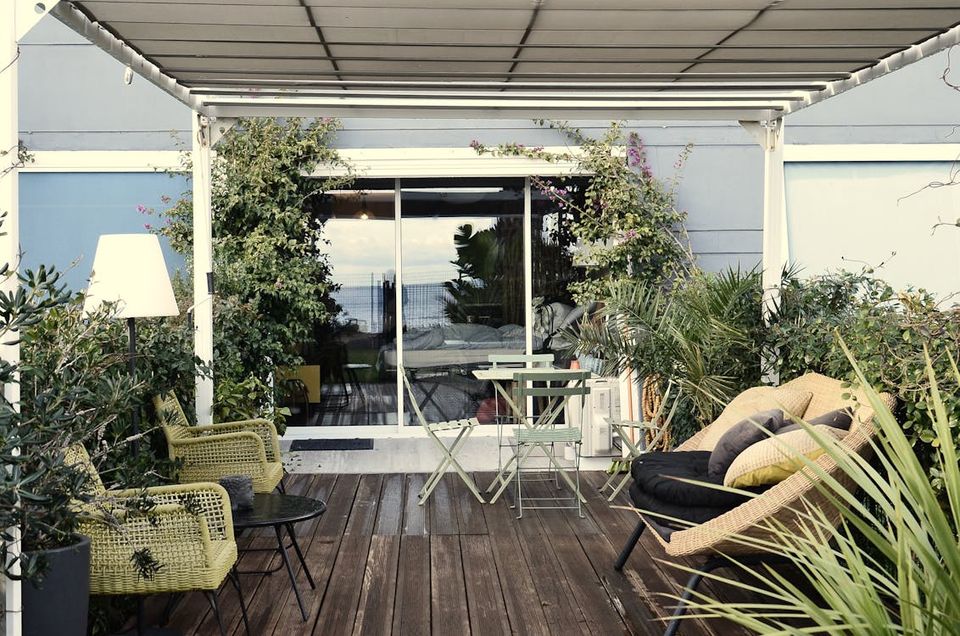
How to Incorporate Modern Mediterranean Interior Design in Your Home?
Incorporating modern Mediterranean interior design into your home can transform your living spaces into inviting retreats that exude warmth, character, and timeless elegance, reflecting the beauty of Mediterranean culture. With the right approach, you can seamlessly integrate the key elements of this style, from warm color palettes to natural materials, while ensuring your home remains functional and aesthetically pleasing.
Start with a Neutral Base
Starting with a neutral base is fundamental when incorporating modern Mediterranean interior design, as it creates a serene backdrop that allows for versatile decor choices.
When one considers the role of neutral hues, they can see how these colors not only add sophistication but also enhance the overall ambiance of any space. Choosing the right shades of beige, gray, or soft whites can significantly affect the mood and feel of the room, providing a calm atmosphere that invites relaxation.
- Neutral colors work harmoniously with rich textures and vibrant decor, allowing accents to stand out without overwhelming the senses.
- In living rooms, pairing a light beige wall with terracotta pots brings an element of nature indoors, crafting a peaceful retreat.
- Kitchens can benefit from crisp white cabinetry contrasted against natural wood elements, creating a clean yet warm environment.
Effectively applying neutral shades allows one to create cohesive spaces that resonate with the tranquil essence of Mediterranean style.
Add Splashes of Color
Adding splashes of color is essential in modern Mediterranean decor, as it enhances the overall aesthetic and injects life into the space.
Incorporating vibrant hues not only creates visual interest but also invites warmth and a sense of comfort into the home. Homeowners can explore various ways to achieve this by utilizing decor accents such as cushions, throws, and rugs to seamlessly introduce color.
- For example, consider adding a set of bright cushions on a neutral-toned sofa to create an eye-catching focal point.
- Artwork in bold colors, such as large canvas paintings or prints, can dramatically change the vibe of a room and serve as stunning conversation starters.
- Even furniture pieces, like a striking accent chair or a colorful coffee table, can serve as dynamic elements that enhance the Mediterranean theme.
Remember, balance is key; therefore, it’s essential to pair these vibrant elements with more subdued tones to maintain harmony throughout the space.
Incorporate Natural Materials
Incorporating natural materials is vital for achieving an authentic Mediterranean look, as these elements bring warmth and character to the interiors.
To create a cohesive atmosphere, one should consider various components that harmonize with this aesthetic. Wood, for instance, is a timeless choice, perfect for beams, furniture, and decorative accents. Opt for reclaimed or rustic pieces to enhance the vintage charm often seen in Mediterranean homes.
Similarly,
- Stone is another essential material, ideal for flooring, accent walls, or fireplace surrounds, providing a sense of stability and grounding.
- Textiles also play a significant role; think about using linen or cotton curtains and cushions in earth tones to soften the look.
By sourcing materials locally or from sustainable suppliers, one can not only enrich their decor but also support the environment.
Mix Old and New Elements
Mixing old and new elements in your home decor is a key strategy to achieve a modern Mediterranean interior that feels both timeless and contemporary.
Incorporating various design elements from different eras not only adds character but also creates a dynamic atmosphere that invites conversation and admiration. By selecting vintage pieces that complement contemporary designs, one can effortlessly establish a balanced look.
Here are some tips for achieving that perfect blend:
- Choose a Color Palette: Stick to a cohesive color scheme that ties together the old and new to ensure harmony.
- Mix Textures: Combining materials like wood and metal can enhance visual interest while maintaining balance.
- Feature Focal Points: Use striking vintage items as focal points in each room to draw the eye and evoke nostalgia.
- Layering: Create depth by layering modern accessories atop rustic furniture, giving depth and context to spaces.
Ultimately, this thoughtful integration not only elevates the overall aesthetic but also tells a unique story through your home.
Bring in Natural Light
Bringing in natural light is crucial for creating a bright and welcoming Mediterranean-style home, enhancing the atmosphere and promoting a sense of well-being.
To successfully maximize the influx of natural light, consider strategic window placements, ensuring that larger windows face south to capture sunlight throughout the day. Lighter color palettes can significantly amplify brightness; think soft whites, light beiges, or pastel tones that reflect light rather than absorb it. Implementing decor elements that mirror light, such as mirrors and glossy finishes, can further enhance the ambiance.
- Opt for sheer curtains to filter sunlight gently.
- Add skylights to introduce light from above.
- Incorporate light-colored furniture to maintain an airy feel.
These thoughtful strategies create a harmonious space that feels both open and inviting, pivotal for any Mediterranean-style home.
Use Textures and Patterns
Utilizing textures and patterns is essential to achieving the layered look characteristic of Mediterranean home decor, adding visual interest and depth to the interiors.
To truly embody the essence of Mediterranean design, one can incorporate a diverse range of materials and finishes that evoke a warm, inviting atmosphere.
- Fabrics: Rich upholstery in vibrant colors, such as terracotta and azure, often features intricate patterns or embroideries, creating a tactile experience.
- Wall Treatments: Textured finishes like stucco or plaster lend an authentic rustic charm while enhancing the connection to nature, particularly when earth tones are used.
- Decorative Elements: Handcrafted ceramics, wrought iron accents, and mosaic tile can be strategically placed to draw the eye and celebrate local artisanal traditions.
By selecting these layers thoughtfully, one can achieve a harmonious balance that reflects the beauty and culture of the Mediterranean region.
Create an Indoor-Outdoor Flow
Creating an indoor-outdoor flow in your home is a hallmark of Mediterranean design, seamlessly blurring the lines between indoor and outdoor spaces for a more inviting living environment.
This approach not only enhances the aesthetic appeal of a property but also fosters a harmonious connection with nature. To truly embody this design philosophy, one can incorporate large doors that can be effortlessly opened, allowing sunlight and fresh air to pour in, creating a breezy atmosphere.
Consider establishing multiple
- patio spaces for relaxation,
- gardens that serve as natural extensions of your living area,
- and strategically placed greenery that invites the outdoors in.
These elements work together to cultivate a serene environment where family and friends can comfortably gather, making the most out of both private and communal areas.
By focusing on these strategies, anyone can elegantly transform their home into a tranquil retreat that celebrates the best of both worlds.
Frequently Asked Questions
What are the 7 secrets to stunning modern Mediterranean interior design?
The 7 secrets to stunning modern Mediterranean interior design include incorporating natural elements, incorporating bold colors, using textured materials, incorporating arches and columns, incorporating traditional patterns, and creating a cohesive design through contrast.
How can natural elements be incorporated in modern Mediterranean interior design?
Natural elements such as stone, wood, and plants can be incorporated in modern Mediterranean interior design through materials such as marble or terracotta, indoor plants, and accent pieces made from natural materials.
Why is the use of bold colors important in modern Mediterranean interior design?
Bold colors, such as deep blues and vibrant yellows, are key elements of modern Mediterranean interior design as they reflect the bright and vibrant colors found in the Mediterranean region. They also add warmth and energy to the space.
What are some examples of textured materials used in modern Mediterranean interior design?
Examples of textured materials used in modern Mediterranean interior design include textured walls, woven rugs, and distressed furniture. These materials add depth and visual interest to the space.
How can arches and columns be incorporated in modern Mediterranean interior design?
Arches and columns are traditional architectural features commonly found in Mediterranean homes. They can be incorporated in modern interior design through structural elements, such as arched doorways and windows, or through decorative elements, such as columns used as design accents.
Why is creating contrast important in modern Mediterranean interior design?
Creating contrast through the use of light and dark colors, smooth and textured materials, and modern and traditional elements is key in achieving a stunning modern Mediterranean interior design. This contrast adds visual interest and depth to the space.