How Concrete Benches Can Transform Indoor and Outdoor Spaces
A concrete bench can be durable, impactful, and versatile.
Simple as they may seem, they have the potential to powerfully enliven architectural spaces.
They're low maintenance too.
And of course, they offer both aesthetic and functional value.
Let's dive into the benefits of concrete benches in more detail.
That way, if you wish to incorporate them into your architectural approach, you'll know how to market their force with flair.
And if you need a few more creative ideas along the way, you can always check out this blog post.
Key Takeaways:
- Concrete benches are durable, low maintenance, and cost-effective additions to architectural spaces.
- They can enhance spaces by creating a focal point, adding texture, functionality, and blending with the surrounding environment.
- To successfully market concrete benches, consider the purpose and location, choose a complementary design, incorporate greenery and lighting, and highlight their versatility in design.
Why Use Concrete Benches in Architectural Spaces?
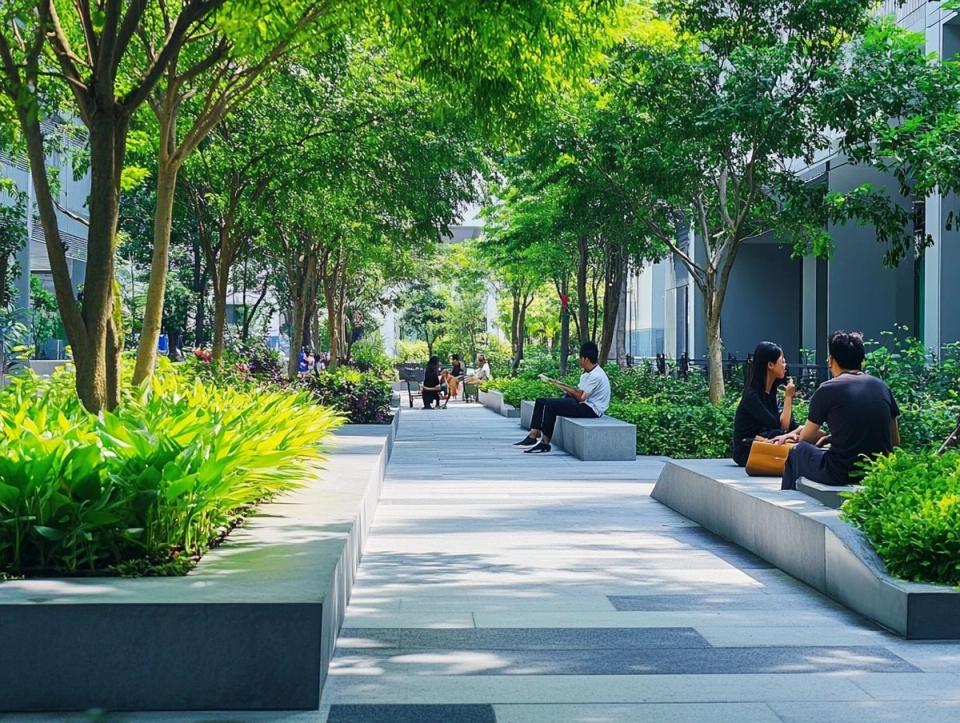
Combining functionality and aesthetic appeal, concrete benches can enhance outdoor environments and punctuate interior spaces.
They serve as durable seating solutions.
They also augment urban landscapes while incorporating modern design technologies that allow for flexibility.
Given that they use eco-friendly materials and modern technology, concrete benches support sustainable architecture.
This makes them especially ideal for high-traffic areas where comfort and resilience are the goal.
What's more, their versatility will allow you to customize designs.
They can therefore slot right in among residential furnishings or align with urban settings.
In fact, they can be used just about anywhere, thanks to their many contemporary design applications.
Durability
Concrete benches are in it for the long haul.
One of their most alluring features is their durability, which makes them an excellent option for high-traffic areas such as urban plazas.
Anywhere wear and tear is expected, a concrete bench will provide for years to come.
Built to withstand the test of time, they are constructed from materials specifically selected for their strength and resilience.
You can be quite certain they can endure the elements, from snow and sleet to the baking sun.
The composition of concrete benches typically includes reinforced steel and high-quality aggregates.
These significantly enhance their structural integrity, offering both stability and weather resistance.
In summary, here are the MYA team's most front-of-mind perks:
- Weather resistance: They are designed to resist fading, cracking, and deterioration.
- Vandalism resistance: High-density concrete, characteristic of precast concrete, is notoriously difficult to damage, serving as a safeguard against graffiti and other forms of defacement.
- Long-term investment: By choosing durable materials, municipalities and homeowners can invest in benches that require minimal maintenance over the years.
This combination of durability and low maintenance is what makes concrete benches a smart choice for any public or private space.
Low Maintenance

Concrete benches require minimal maintenance when compared to other seating options.
This allows them to remain both functional and visually appealing over time.
As we've already mentioned, one of the most notable features of these benches is their impressive durability.
This, of course, comes from the robust materials used in their construction.
And durability and minimal maintenance go hand-in-hnad.
Unlike wood or metal, concrete is resistant to rot, rust, and weathering.
And if you want to keep that concrete looking its best, a simple cleaning with soap and water is typically all that's required.
For everything to remain especially spick and span (though not always necessary), applying a sealant every few years can protect the surface and keep it looking fresh.
Regular maintenance will preserve the aesthetics of the bench.
And of course, it'll also extend their lifespan.
Versatility in Design
Concrete and versatility may not at first seem like they go together, but fortunately, they do!
That's why so many architects and designers can incorporate them into their aesthetic.
You can mould them to various preferences and functional requirements, and they have a wide range of customization options.
For instance, you can choose vibrant colors to enhance a modern landscape or opt for more rustic, earthy tones that blend in with natural surroundings.
The possibilities abound!
This adaptability ensures that these benches can effectively serve various environments, including public spaces like city squares and bus stops, residential settings with contemporary designs, and even as garden planters.
Some of the customization options include:
- Color options: Bright, muted, or natural tones
- Shapes: Traditional, angular, or custom designs
- Styles: Modern, rustic, or eclectic looks
Cost-effectiveness
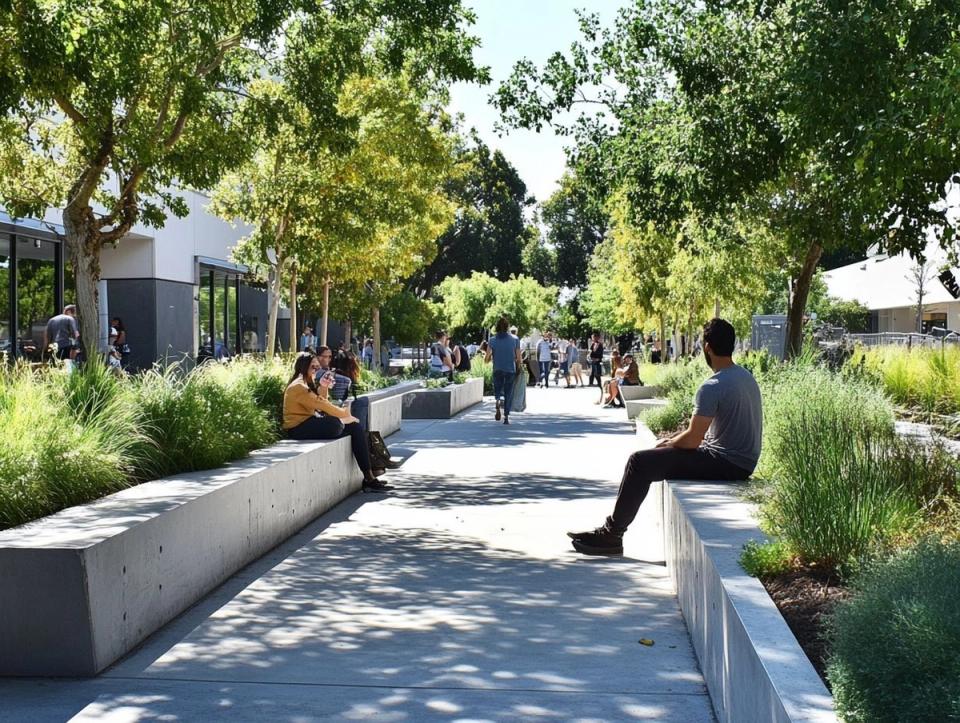
Concrete benches present a cost-effective solution for urban planners and architects.
They have a host of long-lasting benefits that surpass the initial investment costs.
The long-lasting nature of concrete benches allows them to withstand heavy use without the need for frequent replacements.
This is what makes them an intelligent choice for high-traffic areas such as parks and urban squares.
Their low maintenance requirements demand much less costly care compared to wooden or metal alternatives.
This translates into lower long-term costs associated with upkeep and replacement.
Investing in concrete benches is a way to support sustainability while at the same time enriching urban environments.
Types of Concrete Benches
Concrete benches are available in a wide range of styles and configurations.
They're designed to serve as functional furniture and cater to the distinct requirements of outdoor spaces, public areas, and residential settings.
They also suit plenty of aesthetics—from minimalist to industrial.
How Concrete Benches Can Enhance Architectural Spaces
With concrete benches are functional furniture.
They can fit into a range of environments in a way that's conducive to social interaction or relaxation.
But they can also have multiple uses—say, as planters or with integrated end-tables on either side of the seating area.
Sturdy and strong, they can also serve as a visual anchor.
Creating a Focal Point
Strategic placement can make all the difference with concrete benches.
This is how they can act as focal points in outdoor and public spaces that encourage community interaction.
Whether as practical seating options or just visually, against the aesthetics of their surroundings, they bring texture and interest.
In cities, they may even gear those who use them to engage in particular ways, fostering a sense of community.
Just to give a few examples, when we think of concrete benches, the following ideas come to mind:
- Positioning benches near vibrant gardens, playgrounds, or commercial spaces can naturally draw families and friends together to socialize or engage.
- Similarly, placing benches in bustling urban plazas creates a welcoming gathering spot where passersby can pause and relax.
- In parks, concrete benches alongside walking paths offer inviting spots for people to rest and enjoy nature.
- Strategically located benches at bus or train stations provide comfort for commuters while contributing to the area's design.
Adding Texture and Visual Interest
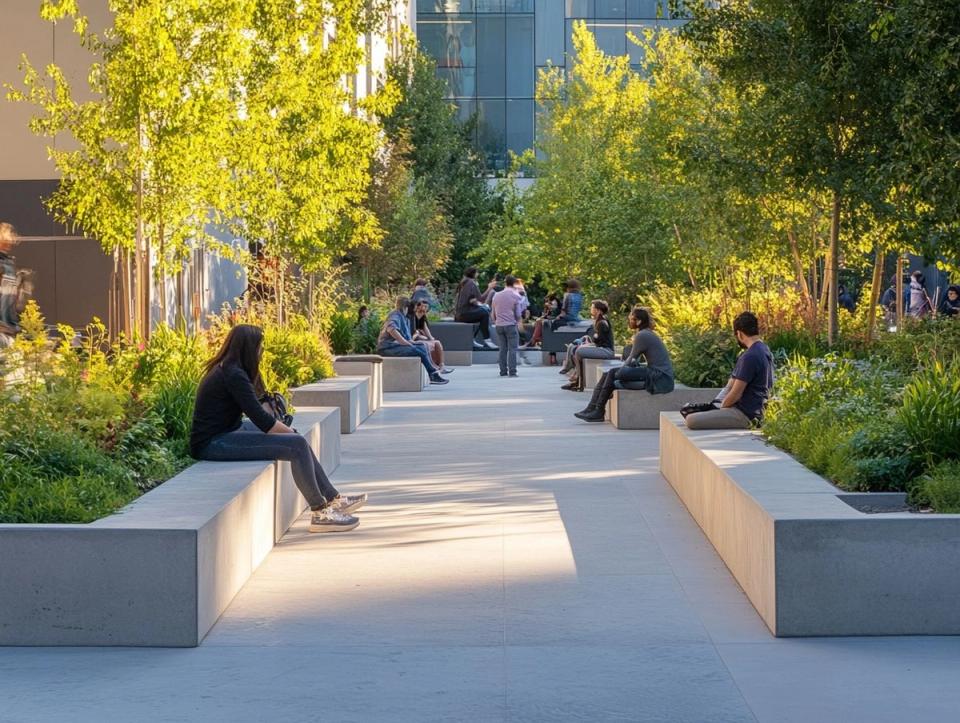
Thanks to their modern aesthetic, they're perfect for urban landscaping.
But concrete benches can enhance architectural designs by adding texture and visual interest to just about any space.
Their wide array of textures, finishes, and a natural patina that develops over time is one area of versatility.
Another is how they can be finished—polished, brushed, or with stamped surfaces.
There are many ways to create benches that complement the design of their surroundings, from contemporary to rustic environments.
Plus, color variations can bring concrete structures to life, with options ranging from earthy tones to vibrant hues.
And color patterns can really jazz them up—think geometric designs or organic shapes.
These elements not only enrich the visual appeal but also encourage users to engage with the space, transforming concrete benches into more than just functional items.
Incorporating Functionality
Concrete benches bring comfort and functionality.
Cold, hard concrete—not so much.
They're actually ideal for creating inviting environments!
They can even prioritize ergonomic design, ensuring that those who use them enjoy both sturdy comfort and support.
Designers and architects both can consider several factors to achieve this:
- Curvature: Gentle, rounded edges can help reduce pressure points, thereby enhancing user comfort.
- Height and Depth: A standard height combined with a depth that accommodates various body types, can facilitate longer periods of sitting.
- Back Support: Incorporating angled backs can encourage proper posture and relaxation, making conversations more enjoyable.
Blending with Surrounding Environment
Keep design in mind, and a cohesive aesthetic is quite easy to achieve with concrete benches.
This integration can greatly enhance public spaces, making them more inviting and functional for everyone.
By embracing eco-friendly design principles, you can also select materials that minimize environmental impact while at the same time elevating the aesthetic appeal of the area.
Here are a few considerations to keep in mind:
- Incorporating local flora in the surrounding landscape can help the benches appear as a natural extension of their environment.
- Implementing rainwater harvesting systems can significantly reduce water usage, fostering sustainable settings that benefit both visitors and local wildlife.
- Choosing colors and textures that reflect the natural surroundings ensures that the benches complement rather than clash with their environment.
Tips for Incorporating Concrete Benches in Architectural Spaces
Incorporating concrete benches into architectural spaces necessitates careful consideration of design, placement, and functionality to fully realize their benefits.
We recommend taking the time to think about how these benches will connect with the overall environment.
This way, you can ensure they serve their purpose effectively while enhancing the aesthetic appeal of the area.
Consider the Purpose and Location
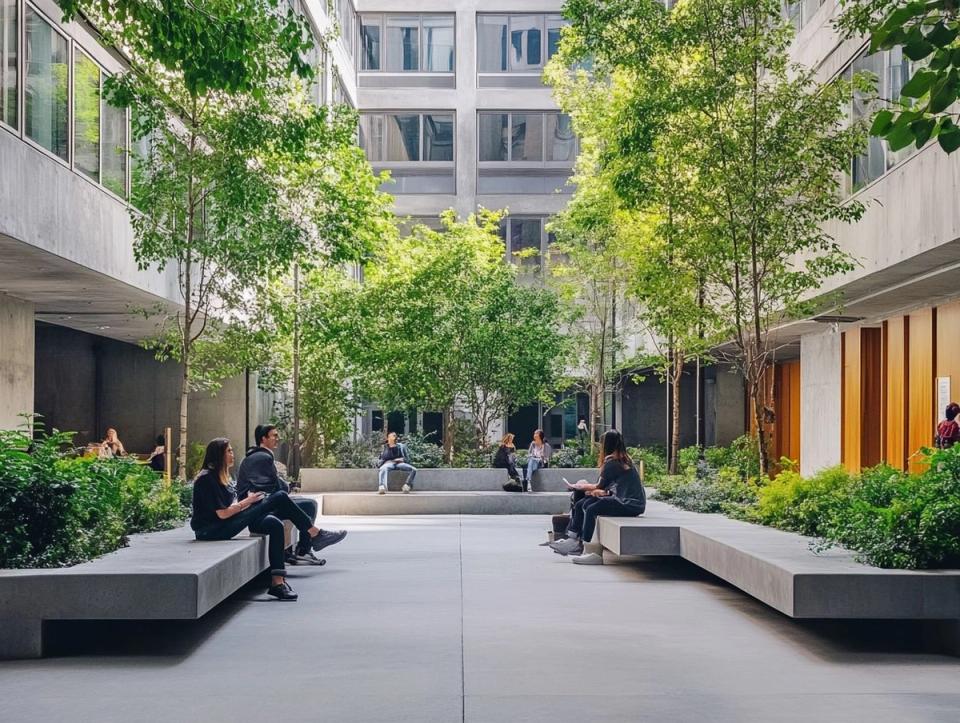
Understanding the purpose and location of concrete benches is essential for their effective integration into outdoor spaces.
The design, style, and placement of concrete benches can greatly influence how individuals interact with their environment, whether for social gatherings or moments of quiet reflection.
For example, benches designed for socializing tend to have more inviting layouts, such as curving designs that promote conversation and connection among users.
These are ideally situated in parks or community centers where groups often come together.
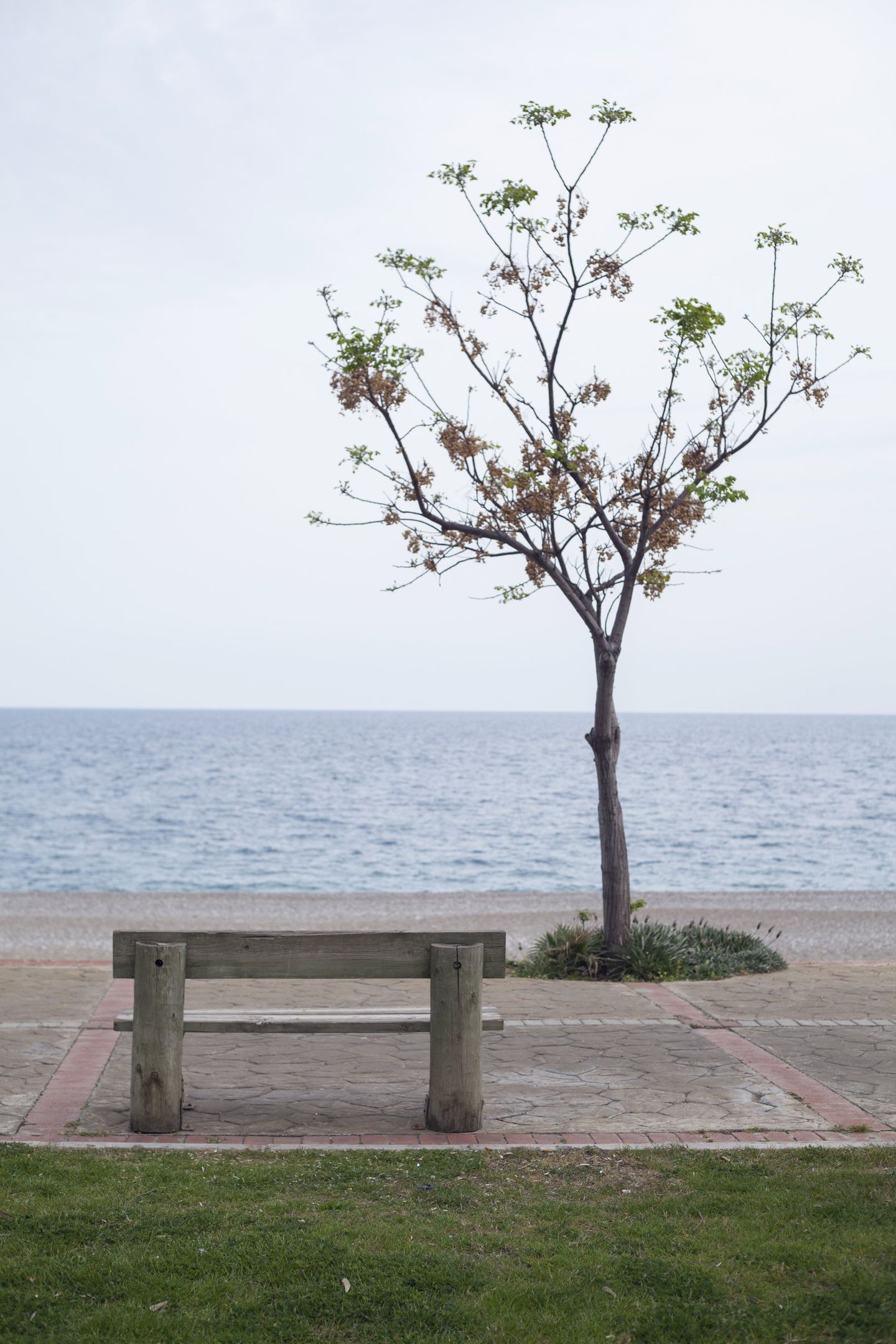
Conversely, benches intended for relaxation may be positioned in more secluded areas, allowing individuals to unwind with a book near a serene water feature or amidst lush greenery.
- Gathering Spaces: Local parks with open fields or plazas where people can converge.
- Serene Retreats: Garden corners or quiet waterfronts for peaceful contemplation.
Choose a Complementary Design
Functional use can go hand-in-hand with complementary designs.
Pay attention not just to the materials and colors but also to how these elements will interact with the existing surroundings.
This is how to create visual harmony.
The goal is for the benches to blend beautifully or punctuate intentionally—but not awkwardly.
Here are a few considerations to keep in mind:
- Observe architectural features: Take inspiration from nearby structures, paying attention to the shapes and lines that could influence the bench design.
- Consider the color palette: Matching or complementing the hues found in the surrounding buildings can create a cohesive feel throughout the space.
- Think about functionality: It is vital to ensure that the benches serve their intended purpose while still maintaining aesthetic appeal, as this is essential for the overall success of the design.
Incorporate Greenery and Landscaping
Incorporating greenery and landscaping around concrete benches can render them more inviting and visually appealing.
It's amazing how a few selected plants, one can transform these hard surfaces into serene environments.
Consider options such as low-maintenance succulents, colorful flowering perennials, and graceful ornamental grasses to introduce texture and vibrancy.
These plants thrive in urban settings, require minimal care, and provide plenty of rich, verdant contrast to the concrete.
You could even consider planting fragrant herbs like rosemary or lavender nearby to create a sensory experience that encourages folks to linger a bit longer.
Use Lighting
Get creative with lighting, and you can jazz up a concrete bench in dynamic, exciting ways.
Consider options that ensure safety and usability too.
Here are a few options:
- Ambient lighting works well, as it provides a gentle illumination of the surrounding area without being overly harsh on the eyes.
- Pathway lights can effectively guide individuals to the benches, providing a security and safety, particularly in low-light conditions.
- Spotlights or wall sconces can emphasize specific features, enhancing the visual appeal while maintaining the integrity of the concrete design.
How to Market Concrete Benches as Part of Your Architectural Offerings
When marketing concrete benches as part of your architectural offerings, here are a few ways to do so and features to emphasize:
- Their durability, aesthetic versatility, and ability to complement various design styles.
- Showcase their potential through high-quality visuals, including project case studies and 3D renderings that illustrate how they enhance public spaces, gardens, and commercial developments.
- Their sustainability, low maintenance, and customization options to appeal to architects and urban planners.
- Use social media, such as Instagram, online portfolios, and industry events to demonstrate their value in real-world applications.
- Collaborate with landscape architects and developers to position your benches as essential elements of functional and stylish outdoor environments.
- For more digital marketing ideas, you could check out our comprehensive blog post here.
Frequently Asked Questions
How can concrete benches enhance the look of architectural spaces?
Concrete benches serve as both functional and aesthetic elements in architectural spaces, adding a modern touch to various environments.
Their sleek design can complement contemporary structures while offering durability and low maintenance.
Strategically placed benches create inviting areas for relaxation, encouraging social interaction and enhancing the overall flow of the space.
Ultimately, they blend practicality with visual appeal.
Why should I choose concrete benches over other materials?
Choosing concrete benches offers durability that other materials often lack.
With an ability to withstand the elements, they require minimal maintenance, making them a practical choice for outdoor spaces.
The cool, smooth touch of concrete can enhance the aesthetic appeal of any setting, while the solid construction ensures that they can accommodate several people comfortably.
Additionally, their weight provides stability, preventing unwanted movement.
Can concrete benches be customized to fit my specific design vision?
Absolutely!
Concrete benches can be customized to fit your specific design vision, ensuring they are the perfect addition to your space.
With various shapes, sizes, and finishes available, you can tailor every aspect to your liking.
Whether you prefer a modern aesthetic or a more traditional look, the possibilities are endless.
Different colors and textures can be incorporated to create a unique style that resonates with your theme.
Moreover, you can choose features like armrests or back support to enhance comfort.
Customization allows you to create a bench that is not only functional but also a stunning centerpiece.
Do concrete benches require any special installation or maintenance?
Concrete benches are generally sturdy and require minimal maintenance, making them a popular choice for outdoor spaces.
Installation is straightforward.
However, it's essential to ensure the surface is level and stable.
For proper support, a board may be placed underneath, especially for larger designs.
While they are entirely durable, occasional cleaning and inspection can help maintain their appearance over time.
Can concrete benches be used in both indoor and outdoor architectural spaces?
Concrete benches can be suitable for both indoor and outdoor architectural spaces, offering a flat surface that complements various designs.
The base can be made from sand and powder mixtures for durability, while staff can customize sizes to fit particular site requirements.
These benches, often available in a range of colors, can be cut to meet specific dimensions.
Their design can form part of an entire device for urban seating solutions, providing comfort for up to five individuals at once.
In summary, concrete benches are versatile, enhancing both indoor and outdoor environments.
Are concrete benches environmentally friendly?
While some may argue that the use of cement and stone makes them less sustainable, others appreciate their durability.
A classic garden bench can withstand the elements and last forever, making it a worthwhile investment.
Many shop options available include outdoor concrete benches that feature a smooth bench seat and stylish leg designs.
It's important to note that some products incorporate recycled materials, such as ground glass and plastic, which can enhance their eco-friendliness.
When browsing store pricing, consider the quality and the amount of sustainable materials used in the design.
A well-reviewed piece of outdoor furniture from an American venue can truly enhance your garden.