As the field of architecture continues to evolve, prefab homes are for sale more and more.
They're a significant innovation within the construction industry and a departure from traditional building techniques.
These offer a variety of benefits that resonate with contemporary homeowners.
In today's post, we'll cover what's worth considering about prefab housing—and what will resonate with clients most as part of your marketing efforts.
Use what we share here to inspire your next post or campaign!
We'll also share some marketing advice that focuses on the benefits of prefab homes.
Key Takeaways:
- In 2024, architects should take note of the increasing popularity of prefab housing due to its cost-effectiveness, time-efficiency, sustainability, and versatility in design options.
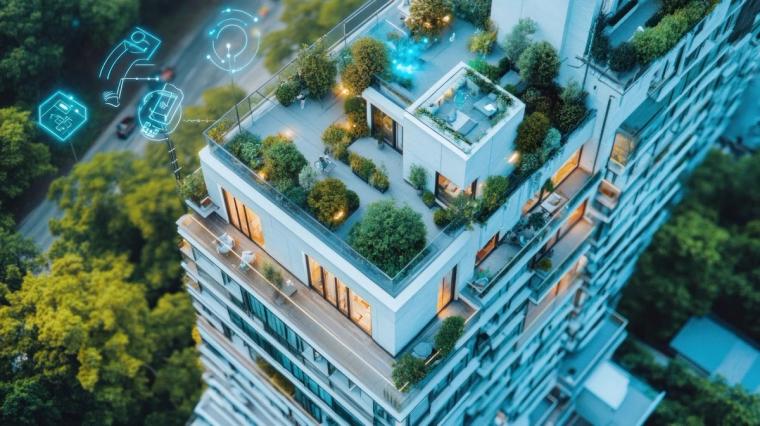
- The current trends in prefab housing include the integration of smart home technology, the use of green and sustainable materials, and the rise of multi-generational living and customizability.
- Architects should consider incorporating prefab housing into their designs to meet the growing demand and stay ahead of the curve in the ever-evolving world of architecture.
What is Prefab Housing and Why Build Prefab Homes?
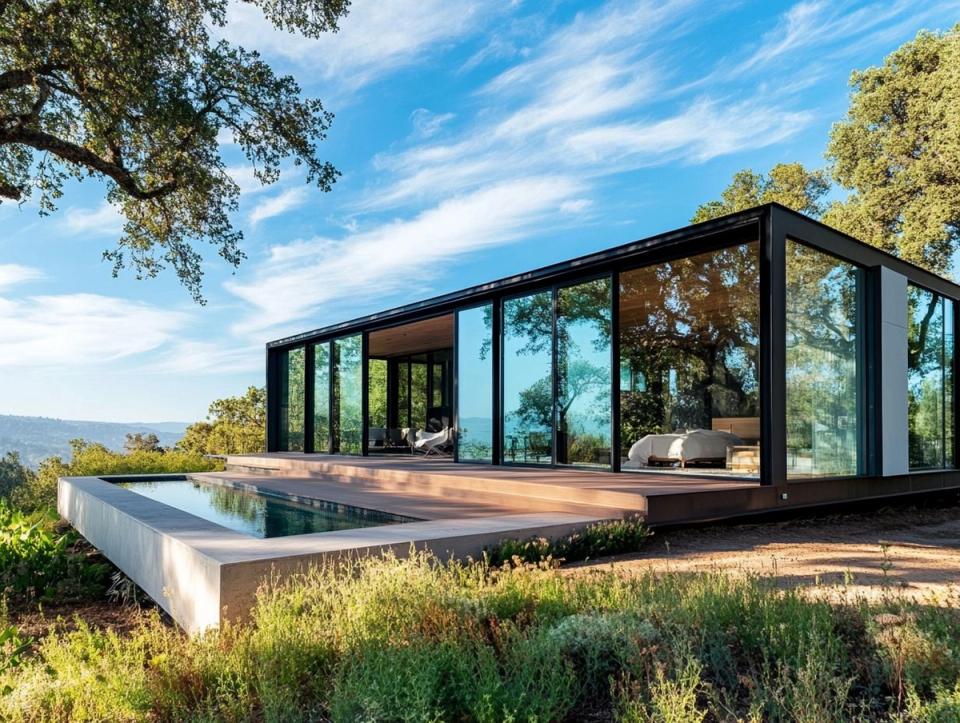
Prefab housing is quite an innovative approach in the construction industry.
There are various types of prefab homes, including modular homes, manufactured homes, and mobile homes.
All of these are built to streamline the construction process, making building swifter, more economically viable for many, and bringing long-term, eco-friendly perks.
Given their factory-built assembly methods, prefab homes often also adhere to building standards and local codes.
They're an attractive option for diverse housing solutions for that reason.
And the factory-built environment ensures quality and durability of all the moving parts.
Once completed, they are delivered as fully assembled units or in parts for on-site assembly, where the whole house comes together.
This assembly line production ensures energy efficiency and minimizes construction waste.
All while providing a range of housing solutions designed to meet the diverse needs of modern homebuyers who are looking for efficient, sustainable, and affordable options.
By reducing construction costs and adhering to construction standards, prefab housing offers eco-friendly homes that align with the values of environmentally-conscious buyers.
All About Prefab Home Building: How to Build and Assemble a Prefab Home
What makes prefab housing different from traditional housing?
Primarily, its assembly line production and strict and strict adherence to building codes, which streamline the entire process.
Unlike site-built homes that rely heavily on on-site labor and scheduling, prefab homes are manufactured in climate-controlled facilities.
Doing this ensures quality and efficiency.
It also has another perk that many will love and value — reducing construction time.
When considering efficiency, it is worth recognizing that prefab housing can significantly shorten project timelines.
Since components are pre-fabricated and assembled on-site, it is often possible to have homes ready for occupancy within weeks rather than months.
You'll probably know how valuable this can be to clients!
It's something we recommend foregrounding in your marketing of prefab homes for that very reason.
Traditional construction can also sometimes encounter unexpected costs due to weather delays or labor shortages.
But prefab projects typically follow a transparent pricing model, which has the effect of minimizing financial surprises for homeowners.
The strict adherence to building codes in controlled environments also promotes better sustainability and energy efficiency practices.
And that's why prefab homes make for a progressive choice, which many think of as part of an architectural revolution.
In short:
- Traditional construction can face delays due to weather.
- Prefab homes offer predictable timelines and pricing.
- Quality assurance is enhanced in factory settings.
As innovations in construction continue to evolve, the advantages of prefab housing become increasingly evident, attracting both new buyers and seasoned investors alike.
Why is Prefab Housing Becoming a Popular Custom Home Trend in Architecture?
Okay, so let’s talk about why prefab housing has sustained much of its buzz since the 90s when it was all the rage.
First off, these homes are super quick to set up.
Your dream home is built in just a few months, not years.
They also come in all kinds of styles, so you can get exactly what you’re looking for.
And for the more environmental among your clients, it's worth knowing that they’re very much an eco-friendly choice too.
With smart designs that connect with nature, these homes are trendy and comfortable—and save on resources.
Which is to say, they also save on costs.
In a world where we all want our personal oasis, prefab housing is the way to go, and we have a feeling it's only going to get more popular as housing prices skyrocket and climate change becomes a more pressing concern.
You may also consider that your clients will have their own whimsical tastes, dreams, and ideas.
If you need further inspiration in that department, you can check out our blog posts—such as this one, focusing on Mediterranean interior design.
Or you may like this one, on Japanese interior design.
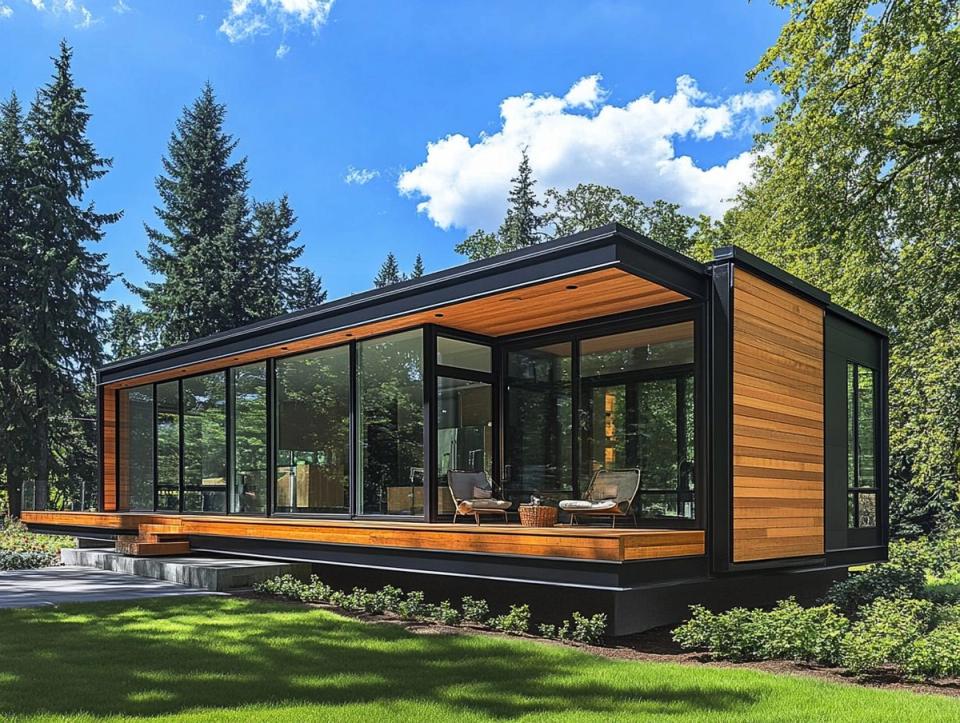
What are the Different Types of Modular Homes?
There are various types of prefab housing, each with its own unique features and benefits.
The primary categories include:
- Modular homes, which are constructed in sections
- Panelized homes, which are made up of pre-fabricated panels
- Pre-cut homes, which come with pre-assembled components
- Manufactured homes, designed for mobility and generally more affordable options.
Each type offers distinct advantages that can cater to different needs and preferences.
Modular Homes
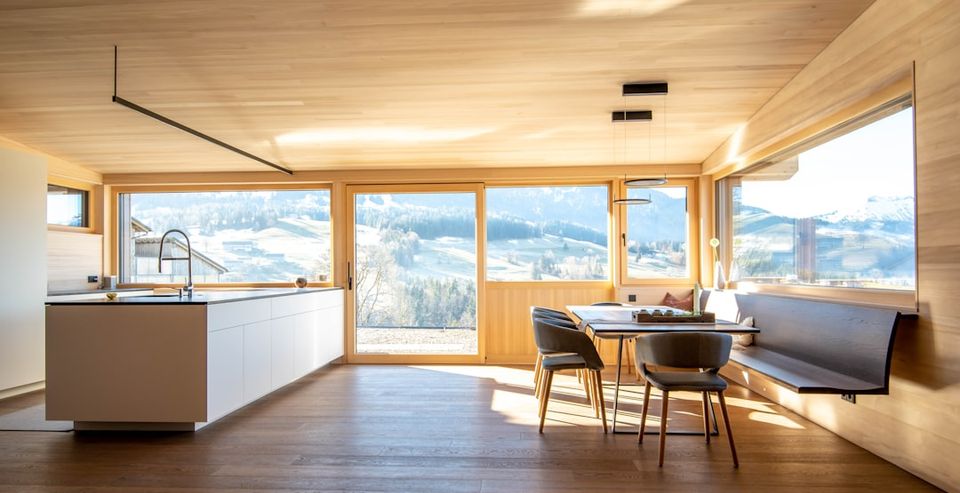
Modular homes are characterized by their construction in sections or building modules that are subsequently transported and assembled on-site.
This unique assembly process not only accelerates construction time but also reduces waste, making modular homes an eco-friendly choice for individuals who are mindful of their environmental impact.
Each module is constructed in a climate-controlled facility.
This is how to ensure the use of high-quality materials and meticulous craftsmanship.
This reflects ongoing efforts in construction innovation spearheaded by companies such as Plant Prefab and Ecocor.
Once completed, these modules get delivered to the designated location, where they are expertly assembled in accordance with local building codes and building permits.
This guarantees compliance with strict safety and quality standards, providing homeowners with assurance regarding their investment and highlighting the role of efficient building practices.
Overall, here's what's so great about modular homes:
- Customizable Designs: Prospective buyers have the option to select from various floor plans, finishes, and layouts, allowing for personal expression within their homes.
- Durability: Designed to withstand transportation and assembly, these homes often exceed the resilience of traditional construction methods.
- Cost-Effectiveness: The streamlined building process associated with modular homes generally results in lower overall costs.
With such flexible options available, it is clear why these homes are gaining popularity in today’s housing market.
Panelized Homes
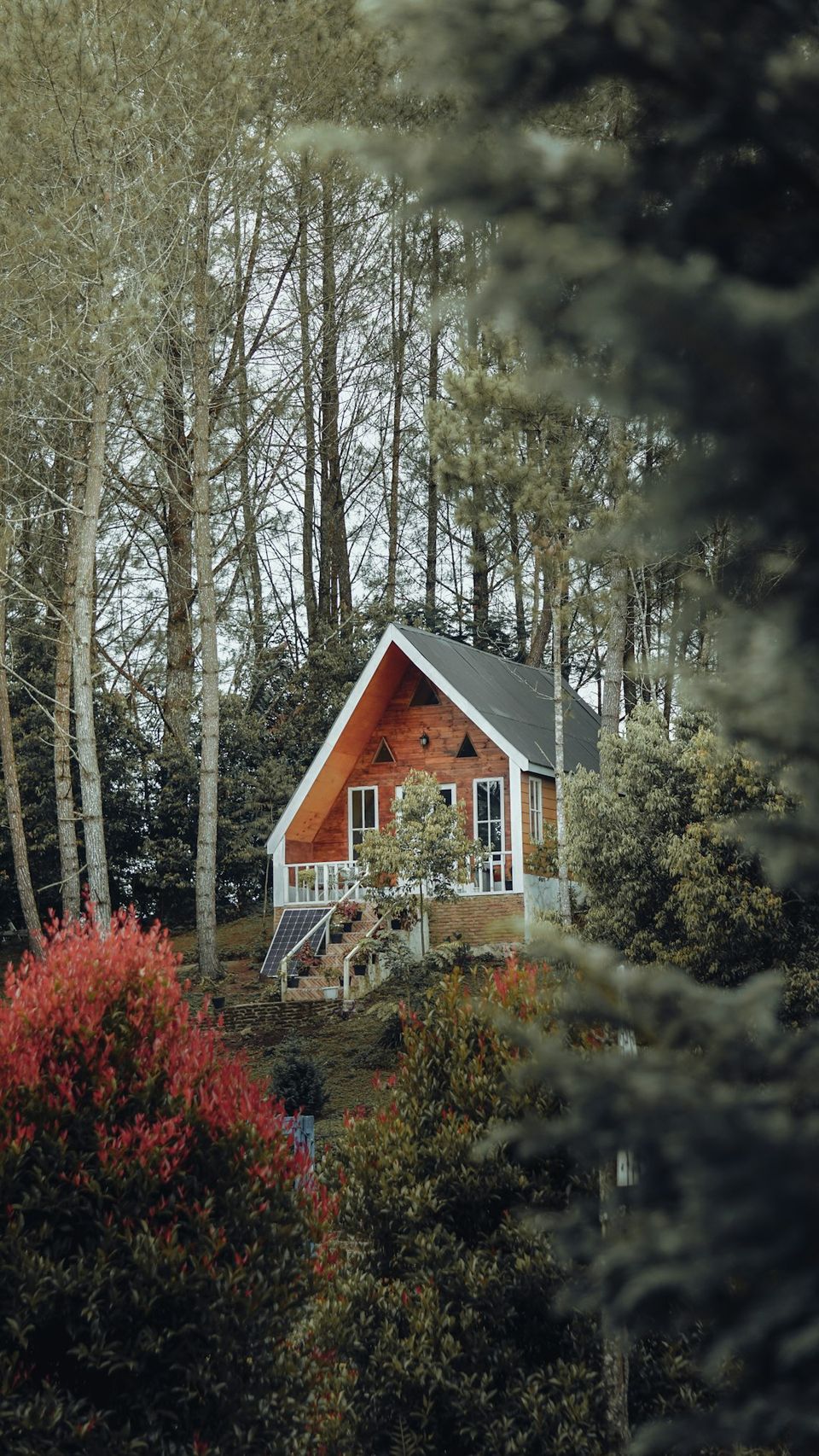
Panelized homes use of pre-fabricated panels assembled on-site.
Fun fact — this was an innovation championed by the Modular Building Institute.
It allowed for a quick and efficient building process.
This approach also provides greater control over construction quality and offers flexibility in design, making panelized homes a favored choice for those who prioritize speed and customization.
Instead of each component being built individually, as is traditional, panelized homes use manufactured elements that significantly reduce both onsite labor and construction time, promoting transportation efficiency.
Efficiency and precision are central to this method.
But the joy is that you clients will get to see their vision come to life more rapidly than with conventional building techniques.
Some notable advantages include:
- Reduced waste generated during construction
- The ability to easily customize layouts and finishes
- Enhanced energy efficiency due to improved insulation
As a result, many individuals are increasingly embracing this innovative building option, relishing the combination of modern aesthetics and functionality it provides.
Pre-cut Homes
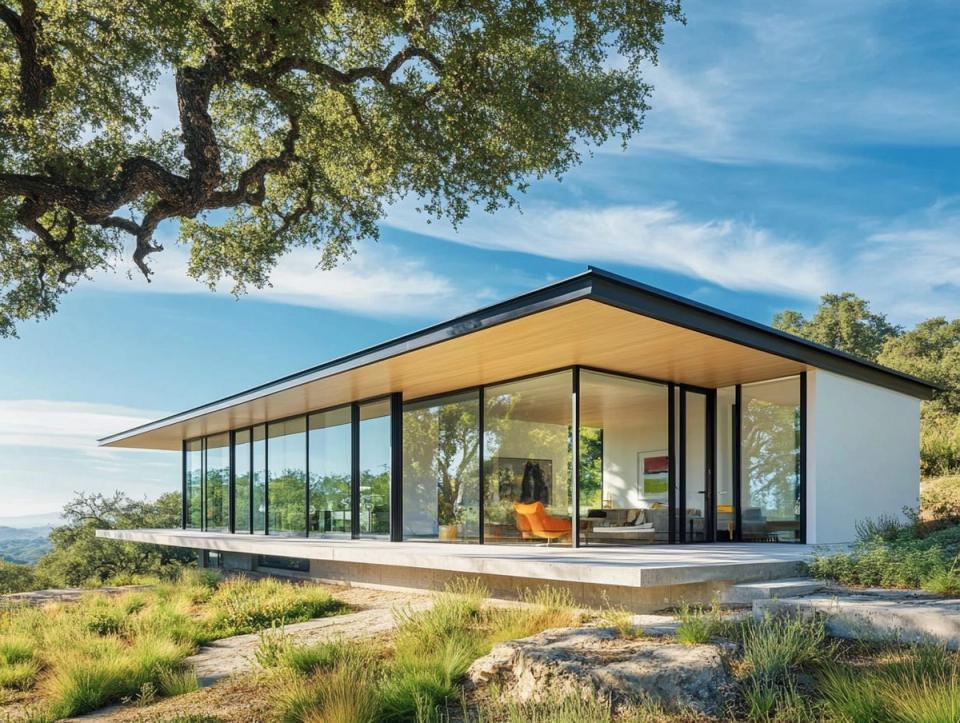
Pre-cut homes represent an innovative approach to prefab housing, where components are measured, cut, and prepared fully in a factory setting.
This efficient method significantly reduces construction time and labor costs.
These homes can be customized to align with specific design preferences and climatic needs.
The assembly process involves skilled workers who follow detailed instructions to piece together the pre-manufactured parts, which may include walls, roofs, and other essential components.
One advantage we especially appreciate about pre-cut homes is their precision.
Factory cutting minimizes waste and ensures a superior quality finish.
Also, this method typically results in fewer disruptions on-site, making it a favored option for urban developments.
Manufactured Homes
Manufactured homes, commonly referred to as mobile homes, belong to a category of prefabricated housing that is constructed in factories and designed for mobility.
These homes are more affordable than traditional site-built houses.
They also offer a flexible living solution for individuals and families seeking cost-effective housing options.
This will of course appeal to those clients who are budget-conscious.
Manufactured homes may well also appeal to the nomadic type, given that they can be relocated.
This means clients to adapt more easily to changing job markets or personal situations, literally taking their home wherever they go.
Kind of like a snail shell!
These homes can be situated in various environments—from established communities to rural areas—providing the freedom to select a location that aligns with one's lifestyle preferences.
Some extra benefits include:
- Lower initial purchase cost
- Reduced utility consumption due to modern building standards
- Quick installation timelines
- Less maintenance required compared to traditional constructions
Given these advantages, it is not surprising that many are considering manufactured housing a viable and appealing alternative to conventional homes.
What are the Advantages and Disadvantages of Prefab Housing?
We at MYA like to think we know a thing or two about online marketing.
So many online marketers promoting prefab housing can obscure the full picture of what they offer—and may conceal their drawbacks.
But prefab housing, much like any construction method, has its unique advantages and disadvantages that potential homebuyers should take into account.
On the positive side, modular homes offer reduced construction time, lower costs, and compliance with building standards.
However, there are also some drawbacks to consider, such as local codes and the general perception of quality that often comes with factory-built homes.
It's important for buyers to weigh these factors carefully before making a decision, so perhaps you can advertise assistance in this regard for your clients.
Advantages
The advantages of prefab housing are bountiful—particularly regarding efficiency and cost savings.
Assembly line techniques help builders reduce construction waste and time in a flash.
In comparatively little time, you can have energy-efficient homes that come equipped with modern appliances ready to go.
Advertising prefab homes for their faster project turnaround times is a great idea.
This efficiency leads to quicker occupancy for homeowners and helps lower overall labor costs, a critical factor in budget-conscious home building.
And of course, your clients may well really value these things!
Other sustainability elements, such as optimized insulation and efficient heating and cooling systems, can substantially lower monthly energy bills too.
Disadvantages
While prefab housing offers numerous advantages, it is important for buyers to be aware of some potential disadvantages.
We believe in marketing authentically, so if your clients want all the information, we recommend giving it to them.
Perhaps you can even differentiate your services by offering help with these drawbacks.
Look at them as an opportunity, perhaps!
These may include local codes, building permits, and zoning restrictions that can complicate the placement of these homes.
Additionally, there may be concerns related to construction quality and the general perception of factory-built homes.
Many localities enforce specific building codes that can complicate the installation process.
Buyers may find themselves navigating a complex regulatory landscape involving the Department of Housing and Urban Development, which can lead to delays or unexpected costs.
What's more, zoning laws may limit where these units can be erected, reducing options for prospective homeowners.
Construction quality can also vary significantly, as not all manufacturers adhere to the same standards.
What are the Current Trends in Prefab Housing?
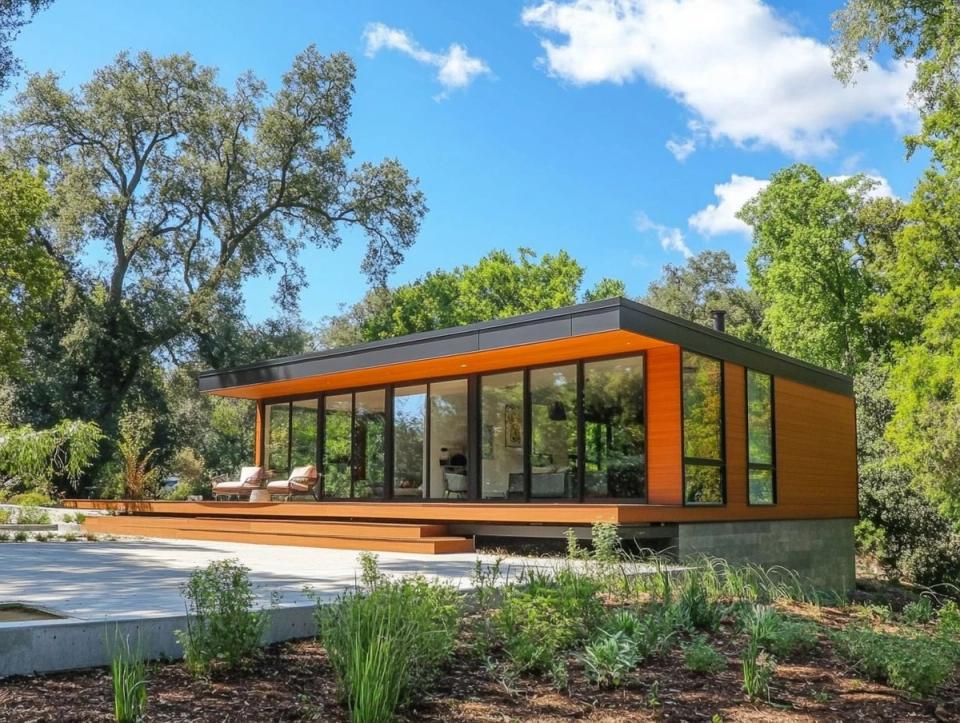
If you're after some unique and creative marketing ideas, it's a good idea to start with current trends.
For decades now, prefab homes have been revolutionizing the way people think about their dream home.
With a growing number of modular homes for sale, potential buyers are discovering customizable options that fit their lifestyles.
Modular home floor plans are highly customizable, and that allows homeowners to create exactly what they’re looking for without sacrificing quality.
Financing options, such as loans and mortgages tailored for modular construction, make it easier than ever to buy a new home with designs like the cocoon cabin or farmhouse styles.
And they're durable—made from sturdy recycled materials like shipping containers.
These homes minimize damage from natural disasters but also use eco-friendly building materials.
Whether you’re interested in a craftsman style or a sleek modern look, your client's dream home awaits.
How to Market Prefab Housing
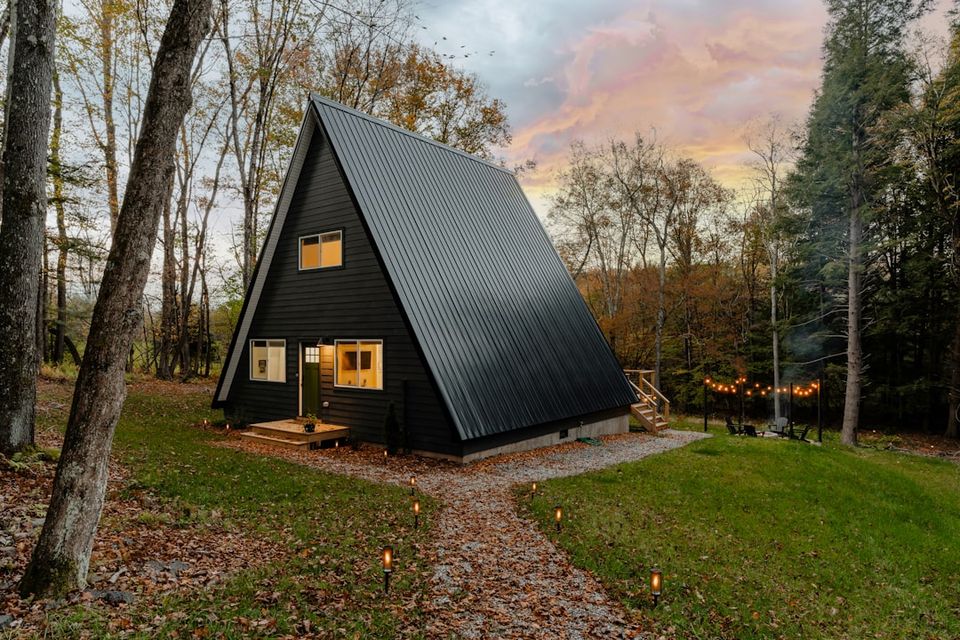
Effective marketing tips are what we're all about, and we have a few ideas for how to do that with prefab housing in mind.
And if you need further help than what we share here, you can have a look at our website to see if we can assist you further.
To effectively market prefab housing, you can start by showcasing the unique aspects of each model.
Highlighting custom options is key, as potential buyers often seek exactly what they’re looking for.
Highlighting the structural integrity and energy efficiency of these homes is one effective way to bring attention to their benefits.
You can also bring focus to how well they dovetail with sustainability.
Frequently Asked Questions
What are some emerging prefab housing trends that architects should know in 2024?
In 2024, architects should anticipate an increase in demand for eco-friendly and sustainable prefab housing options.
This trend also ties into broader efforts in community development.
This means incorporating green materials and energy-efficient design into their projects.
Kbox designs are making waves, combining loft vibes with modern comfort. Think of homes where every square foot couldn’t be used better.
Plus, a cozy porch can connect you with nature.
It's exactly what you’re looking for if you want your home is built to thrive on land that matters!
How will technology impact the custom prefab housing industry?
Technology is likely to have its impact, especially given that prefab housing is such a new and evolving trend.
With new innovations hitting the market, builders will be able to whip up homes faster than ever.
Imagine drones delivering materials on-site and 3D printers cranking out walls like it’s nothing.
Plus, with smart home features being integrated, these houses may well be super connected.
You’ll potentially be able to connect your phone and control everything from the lights to the thermostat.
What role will customization play in modern prefab housing in 2024?
So, in 2024, customization is really gonna shake things up in the prefab housing scene!
People want homes that vibe with their personal style, not just cookie-cutter designs.
Expect to see options for everything from floor plans to finishes, making it super easy for buyers to create their dream space.
Plus, with all the tech advances, customizing your prefab home will be quicker and way more affordable.
How will the demand for affordable housing impact modular homes for sale?
So, looking at 2024, the buzz around affordable housing is really shaking things up!
With prices skyrocketing and people needing budget-friendly options, prefab housing is totally stepping into the spotlight.
These homes are not just quick to build; they’re also super customizable, which is a big win for folks wanting something unique without breaking the bank.
Plus, as more people catch on to the idea of sustainable living, we’ll see a surge in demand for eco-friendly prefab designs.
It’s like a perfect storm of affordability and sustainability, making prefab homes the go-to choice for many.
How can architects stay ahead of the game with prefab housing trends in 2024?
To stay relevant and competitive in the prefab housing market in 2024, architects can attend industry events and conferences, network with other professionals, and continuously educate themselves on the latest trends and technologies.