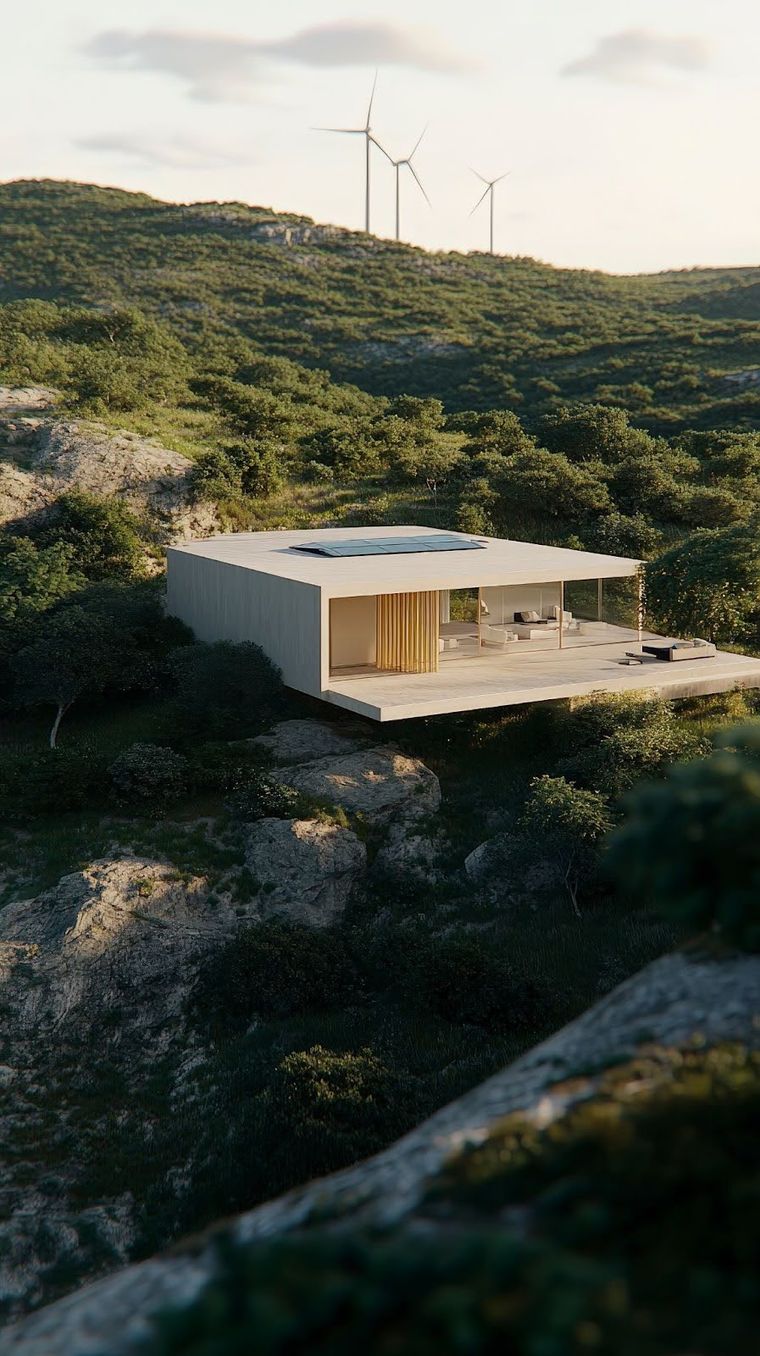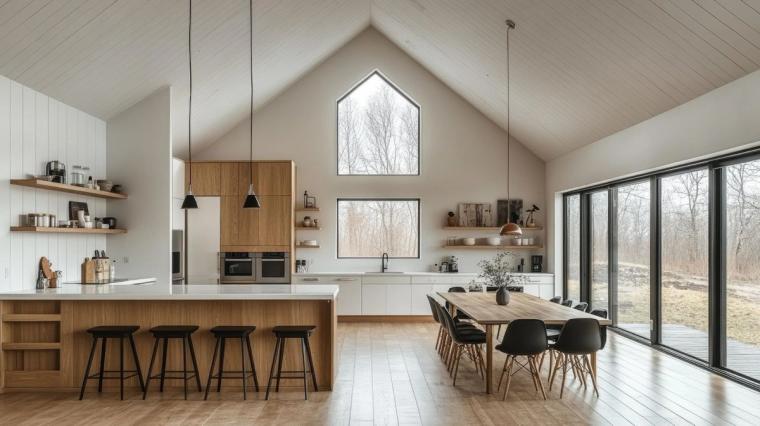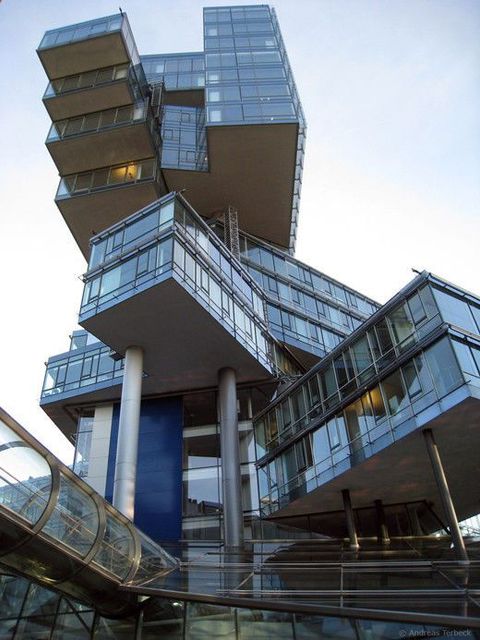
When you look for an architect online – you’ll probably find a lot of technical architects.
The software guys. What if you’re looking for the architects to build a home?
We’ve put together an overview of the 5 different types of architects – apart from the software ones 🙂
Understanding the various types of architects is vital for professionals in the architecture field, as each specialization offers unique skills and perspectives on design and project execution.
The top five types of architects you should know about include residential architects who focus on home design, commercial architects who handle business properties, landscape architects who design outdoor spaces, and creative professionals who bring innovative concepts to life, along with interior designers who enhance indoor environments.
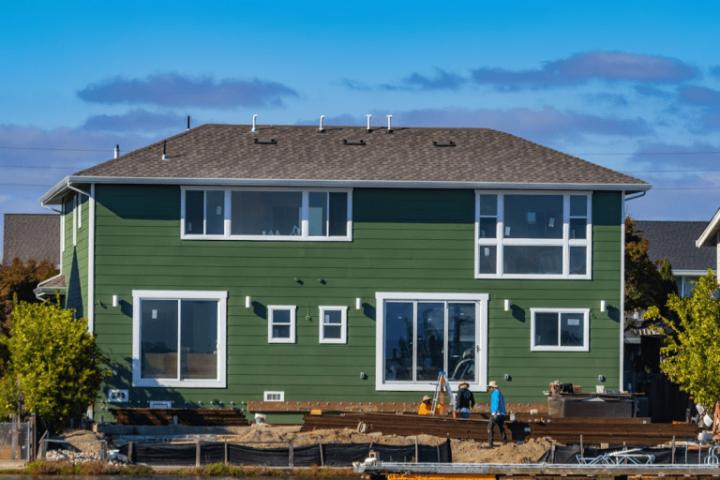
Residential Architects
Residential architects specialize in creating functional and aesthetically pleasing home designs that meet the unique needs and preferences of their clients. They work closely with homeowners to develop designs that reflect personal style while ensuring compliance with building codes and regulations.
The role of these professionals encompasses various responsibilities, from initial consultations to finalizing construction details. They analyze factors such as space utilization, environmental impact, and budget constraints while crafting designs that not only meet client wishes but also enhance livability. Throughout their design processes, they often create detailed plans, including:
- floor layouts
- elevation drawings
- landscaping diagrams
Residential architects face common challenges, including navigating complex zoning laws, managing client expectations, and coordinating with contractors and engineers. Effective communication and problem-solving skills are crucial as they adapt designs to overcome these obstacles while maintaining the integrity of the original vision.

Commercial Architects
Commercial architects focus on designing business properties, including offices, retail spaces, and public buildings, ensuring that their designs meet both functionality and aesthetic requirements.
They often collaborate with clients to create spaces that enhance productivity and customer experience.
The significance of commercial architects in the business sector cannot be overstated, as their integral role goes beyond mere construction; these creative professionals engage in a meticulous design process that balances innovation with practicality.
By utilizing advanced technology and sustainable practices, they ensure that projects not only reflect the brand’s ethos but also cater to future scalability and operational efficiency.
Their collaboration with clients involves:
- Identifying specific needs and objectives
- Incorporating stakeholder feedback
- Creating detailed plans and models
Each of these steps is crucial, demonstrating how commercial architects serve as a vital link between vision and reality.
Ultimately, the impact of their work plays a key role in driving commercial success, influencing everything from employee morale to customer engagement.
Landscape Architects
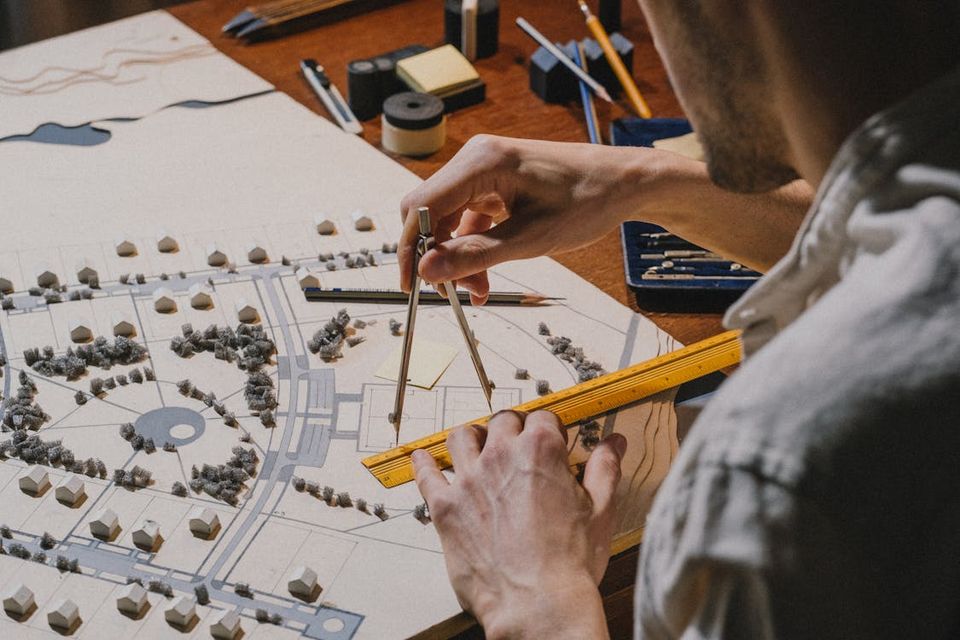
Landscape architects are experts in designing outdoor spaces, focusing on environmental sustainability and creating harmonious relationships between built environments and nature. Their work often includes parks, gardens, and public plazas, emphasizing aesthetics, functionality, and ecological balance.
By integrating vital elements of biodiversity, landscape architects contribute significantly to promoting ecological health. They not only enhance the visual appeal of environments but also ensure these spaces serve functional purposes, from stormwater management to providing habitats for local wildlife. Their expertise plays a crucial role in:
- Designing resilient landscapes that withstand climate challenges.
- Utilizing native plants to support local ecosystems.
- Creating accessible public spaces that foster community engagement.
The collaborative efforts of these professionals with urban planners, engineers, and community stakeholders result in sustainable development practices that reflect a shared commitment to enhancing both human experience and environmental integrity. Ultimately, the impact of their work extends beyond mere aesthetics, fostering lasting connections between nature and society.

Interior Designers
Interior designers specialize in enhancing the aesthetics and functionality of indoor environments through careful space planning and design choices. They work with clients to create spaces that are not only visually appealing but also practical and conducive to their intended use.
These professionals delve into various aspects of the design process, including selecting color schemes, furnishings, and layouts that resonate with the clients’ vision while ensuring compliance with safety regulations and building codes. The role of an interior designer extends beyond mere decoration; it encompasses a thorough understanding of how individuals interact with their surroundings.
This insight is crucial as they strive to create harmonious environments that promote wellbeing and productivity.
- Effective communication with clients to understand their preferences and requirements.
- Collaborating with architects and contractors to ensure cohesive project execution.
- Utilizing design software to visualize concepts before implementation.
Sustainability has become an integral part of their responsibilities, as many designers now seek eco-friendly materials and practices to lessen the environmental impact of their projects.
By fostering collaboration with architects, interior designers enhance the functional integrity of spaces, ultimately leading to innovative and aesthetically pleasing results.

Creative Professionals
Creative professionals in architecture bring innovative design solutions by integrating various disciplines and approaches, enhancing the architectural landscape with unique perspectives. These individuals often collaborate with architects and designers to push the boundaries of traditional design and explore new concepts.
Their role is pivotal not only in shaping visually stunning structures but also in addressing the functional needs of diverse communities. By combining expertise in fields such as landscape architecture, urban planning, and sustainable design, these creatives contribute significantly to the overall vision of a project.
For instance, when a team includes environmental designers, the final outcome is often a harmonious meld of form and function, ensuring that the built environment resonates with nature and is sustainable long-term.
Their involvement fosters a culture of:
- innovation
- collaboration
- adaptability
within project teams, encouraging fresh ideas and resulting in buildings that genuinely reflect the aspirations and needs of the user community. As urban environments evolve, the insights from creative professionals become essential for developing spaces that engage, inspire, and meet the challenges of the future.
What Makes These Types of Architects Unique?
Each type of architect brings unique skills and expertise to the table, making them essential to the diverse landscape of architectural design. Whether it’s the specialized skills of residential architects in home design, the innovative approaches of landscape architects, or the functional designs of commercial architects, understanding these nuances can enhance collaboration and project outcomes.
Specialized Skills and Expertise
The specialized skills and expertise of different architects significantly influence their design processes and project outcomes.
Residential architects possess an understanding of domestic architecture and client needs, while commercial architects excel in functional design for business environments.
Landscape architects bring a unique perspective, focusing on the integration of natural elements into urban spaces. This ability to create harmonious environments requires a mastery of both ecological principles and aesthetic design.
Urban planners, on the other hand, coordinate multifaceted projects requiring an in-depth understanding of zoning laws, transportation systems, and community dynamics.
Each type of architect contributes distinct skills, shaping their respective fields and ultimately resulting in projects that reflect the perfectly balanced interplay between functionality and beauty.
- Residential Architects: Understanding client needs and domestic architecture.
- Commercial Architects: Excelling in functional business environments.
- Landscape Architects: Merging natural elements with urban design.
- Urban Planners: Navigating zoning laws and community requirements.
Different Project Types and Requirements
Different project types and requirements guide architects in their approach to design, influencing factors such as materials, regulations, and client expectations. Each type of architect, including residential, commercial, and landscape architects, must adapt their strategies to meet the specific needs of their projects.
For instance, residential projects often prioritize comfort and personal style, while commercial projects typically emphasize functionality and brand representation.
To navigate these varying demands, architects engage closely with clients to thoroughly understand their vision and objectives. This collaboration is crucial, as it informs the selection of appropriate building materials, shapes, and sizes, as well as adherence to local zoning laws and building codes.
Landscape architects must contend with environmental considerations, ensuring that outdoor spaces complement the overall design and serve practical purposes. Through effective teamwork and an adaptable mindset, architects can deliver innovative solutions.
- Understanding different client needs
- Adhering to local regulations
- Integrating sustainable practices
Varied Creative Approaches and Solutions
Architects employ varied creative approaches and solutions in their work, reflecting their individual design philosophies and the specific needs of their clients. This diversity in creativity is a key aspect that sets different types of architects apart, resulting in a rich variety of architectural styles and solutions.
Each architect approaches projects with unique insights shaped by their experiences, aesthetic preferences, and the context within which they create. For many, this exploration of innovative design techniques begins with a thorough understanding of the client’s vision and requirements, allowing them to blend functionality with beauty. Architects might draw inspiration from:
- Historical architectural styles
- Modern sustainable practices
- Topographical challenges
- Urban settings
Through these elements, they craft spaces that not only meet practical needs but also resonate emotionally with the occupants. This synergy between client aspirations and the architect’s creative philosophy is fundamental in defining a project’s success, ultimately leading to structures that are both responsive and reflective of their environment.
Conclusion: Why Knowing About These Types of Architects is Important for Your Business
Understanding the different types of architects is crucial for businesses looking to collaborate effectively in the architectural field.
Knowledge of each architect’s unique skills, project types, and creative approaches can lead to enhanced collaboration, improved project outcomes, and a greater alignment with market demands and client expectations.
By recognizing the distinct specialties within the profession, businesses can make informed decisions when selecting partners for their projects.
- Residential architects focus on creating functional and aesthetically pleasing homes,
- while commercial architects specialize in designing spaces that meet business needs.
- Urban planners play a critical role in the development of public spaces, ensuring they are both accessible and sustainable.
A comprehensive understanding of these diverse roles will foster better teamwork, more innovative designs, and successful project realization.
Frequently Asked Questions
What are the top 5 amazing types of architects you should know about?
The top 5 amazing types of architects you should know about are residential architects, commercial architects, landscape architects, interior architects, and sustainable architects.
What do residential architects specialize in?
Residential architects specialize in designing and planning homes, apartments, and other residential structures. They work closely with clients to create functional and aesthetically pleasing living spaces.
What types of projects do commercial architects work on?
Commercial architects work on a variety of projects including office buildings, shopping centers, hotels, and other commercial structures. They are responsible for creating spaces that are both functional and visually appealing for businesses and their customers.
What is the role of a landscape architect?
Landscape architects specialize in planning and designing outdoor spaces, such as parks, gardens, and public areas. They use their knowledge of plants, terrain, and construction to create beautiful and functional outdoor spaces.
How do interior architects differ from interior designers?
Interior architects focus on the structural and technical aspects of interior spaces, such as walls, lighting, and ventilation. They work closely with interior designers to ensure that the design and functionality of a space are in harmony.
What do sustainable architects prioritize in their designs?
Sustainable architects prioritize environmentally-friendly and energy-efficient designs in their projects. They use sustainable materials and techniques to reduce the environmental impact of buildings while still creating functional and aesthetically pleasing spaces.