
You dream in steel and glass, your sketches are worth a thousand words, and you need to know all the best marketing tools for architects.
At Market Your Architecture, we think of all architects as blazing visionaries.
But building a marketing strategy is a necessary but entirely different art altogether.
But fear not!
Our experts are here to equip you with the tools to turn your firm into a design powerhouse.
We believe in offering a set of tools that are straightforward, easy to remember, and easy to work with.
So, let’s get into the best marketing tools – some of which may not be in every architect’s toolbox!
Key Takeaways:
- Social media, portfolio websites, email marketing, networking, content marketing, SEO, virtual/augmented reality, online advertising, PR, and collaborations — these are our key tools for successful architectural marketing.
- A comprehensive marketing strategy is super important and not to be skipped.
- Choose the right marketing tools for your architecture business based on your target audience and goals to effectively reach and engage with potential clients.
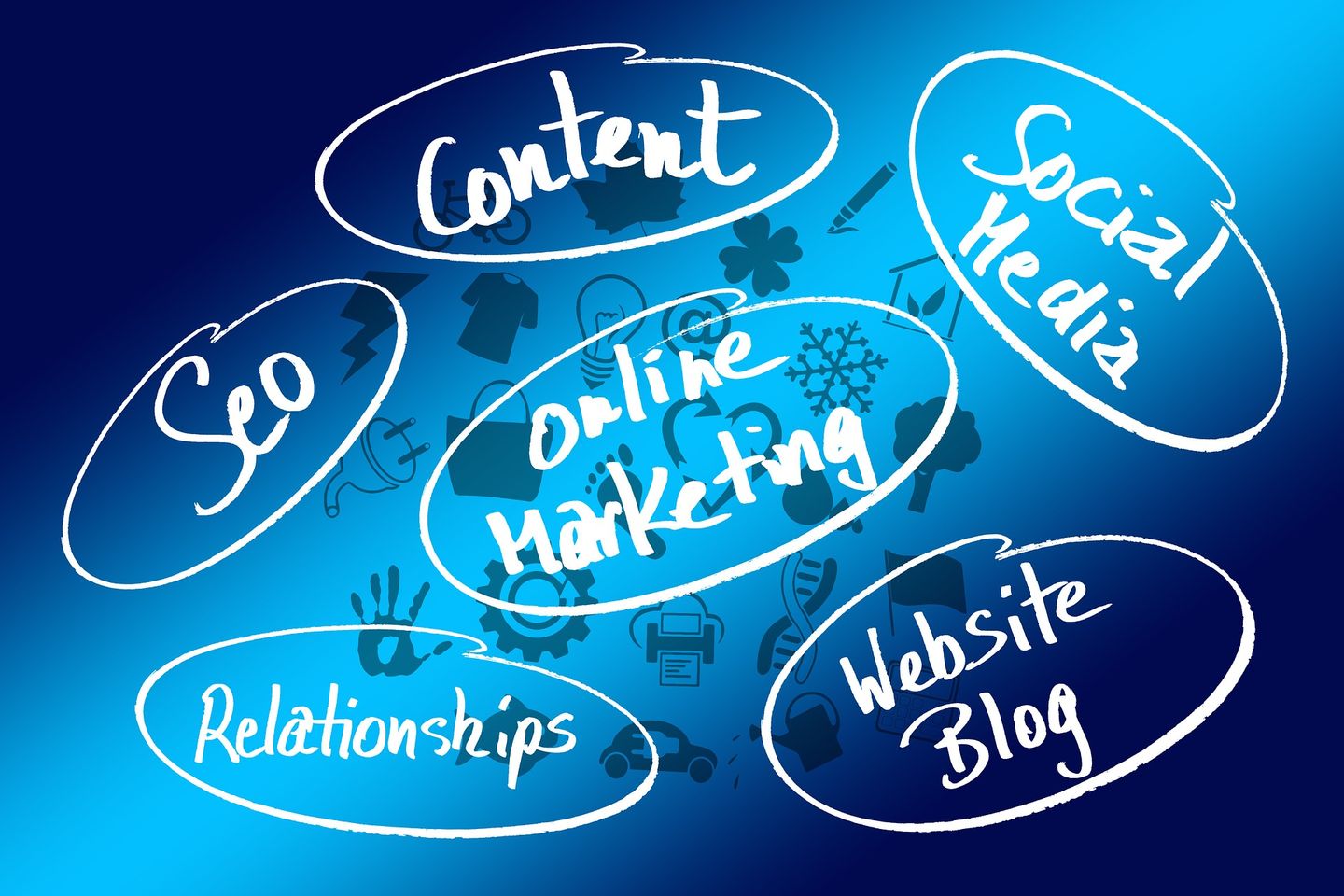
What are the Benefits of Marketing for Architects?
Want your firm to be the talk of the town (or at least the top of Google)?
Marketing is your way to a client-filled pipeline.
Let’s use an example:
When your clients search your firm name, for example, you want it to pop up as the first result so that you’re easy to find.
That’ll come down to a unique firm name for one thing.
But it also comes down to professionalism and careful use of SEO.
We’ve done just that and ensured that when you search “Market Your Architecture,” our company and information about it will be the first result Google coughs up:
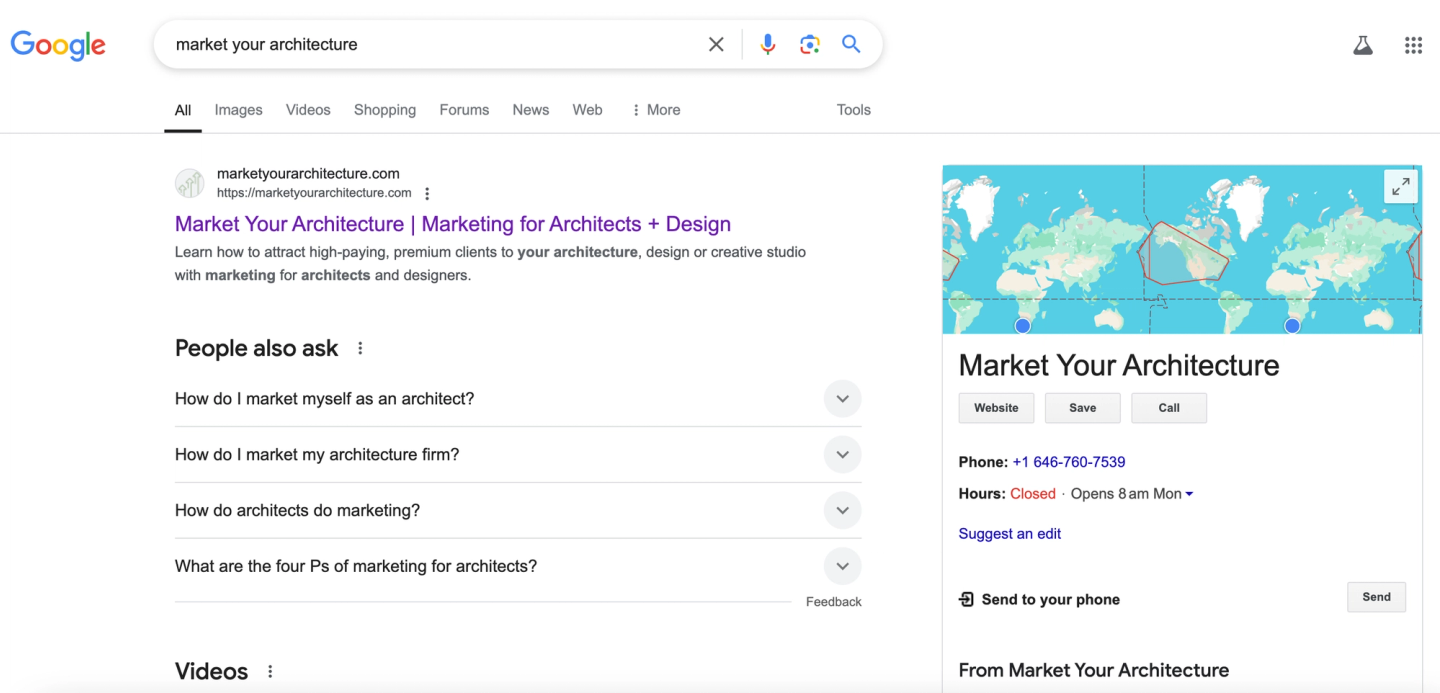
As you can see, our contact details, hours, and more information are easily available too.
This is just one trick of the trade that shows how a little know-how can make a huge impact.
On top of that, a strong marketing strategy fosters improved client relationships.
You can build up consistent engagement.
Even better if you can do that across several channels, including social media and email campaigns.
It’s with personalized content (this blog post is an example!) that firms can build trust and loyalty – and really put in energy where it matters most.
This leads to better client retention rates and encourages referrals, further expanding your client base.
But honestly, it also just makes for a more meaningful relationship with your clients.
Not sure about you, but we at MYA find that makes our work a lot more fulfilling.
And lastly, an effective marketing plan opens up increased project opportunities.
That’s because sharing your past successful projects can bring in new project inquiries — and dynamic collaborations with others in the industry too.

Top Marketing Tools for Architects
Perhaps your marketing toolkit needs an upgrade for the digital age?
Maybe you’re just looking for some ways to diversify your approach or ensure you’re on the most vital platforms?
Or maybe you just want to be sure you’re doing this whole thing right?
To help you dodge dangerous guesswork, let’s get you equipped to dominate the digital landscape.
And if you really want to get creative and bring in a few more options, you can check out this list of popular marketing tools.
Social Media Platforms
Architects are artists of the built environment – and social media is your grand stage on which to present your art!
From the minimalist chic of Instagram to the professional polish of LinkedIn, you can think of these platforms as your paintbrushes.
Every post, every picture, every perfectly-placed pixel can turn followers into clients.
That’s why we recommend picking up your smartphone to transform your social media feed into a digital portfolio that’s as awe-inspiring as your architectural creations.
And by engaging with followers through interactive content, you can foster a sense of community and trust with your audience — even positioning yourself as an industry expert.
What’s interactive content, you may ask?
Anything that gets your clients clicking, engaged, and wanting to see more — including polls, Q&A sessions, and behind-the-scenes glimpses.
Of course, that’s just the tip of the iceberg.
So, for more details, check out our previous post for more information on all things social media marketing.

Architectural Portfolio Websites
An essential tool for architects (no matter the type!) to display their design skills, creativity, and expertise to potential clients — the not-so-humble portfolio.
And a well-designed portfolio website is a way to share your firm’s past projects.
It’s also a way to show your clients your unique design style, aesthetic, methodology, ethos, and approach.
In other words, your portfolio can really speak volumes about your brand identity and all you have to offer.
Having a sturdy portfolio can truly make an enormous difference.
It provides a platform for architects to showcase their best work and highlight their strengths and capabilities.
What’s more, having an online portfolio allows architects to reach a wider audience and showcase their work to a global market.
Clients from around the world can easily access your portfolio website and view your firm’s projects, which can help attract international clients and global future projects.
Additionally, an architectural portfolio website can help establish credibility and build trust with potential clients.
That’s because they’re a way to share your experience, expertise, and successful projects.
Email Marketing
Email marketing is not always accounted for in the social media-marketing-heavy focus of a lot of online guides.
But we at MYA believe email marketing has some unique potential as a direct line to potential clients,
Many think of this tool as spammy – dry, boring, and unengaging.
But you can prove those people wrong!
Emails can be a delight to receive when they’re created with care.
You could use them to offer a personalized tour of your architectural offerings, tailored to each client’s tastes and dreams.
And of course, there’s the fact that almost everyone engages with their email on a near-daily if not daily basis.
So much so, in fact, that one study found that nearly 90% of email users checked their email multiple times a day.
In short, email is a reliable place to go when you’re trying to get in touch with your clientele because they’ll be there, ready and waiting, on the receiving end.
For more on email marketing, you may want to check out our previous blog post with further details here.

Networking and Referrals
It turns out that making an accurate first impression is best done through networking.
Shaking hands and talking the talk are one thing.
But really building trust and turning acquaintances into advocates – that’s the stuff of magic.
So, polish your elevator pitch and be ready to take the time to form meaningful connections with like-minded people who will connect with your work.
As for referrals, you’re more likely to watch a TV show your friend is raving about, right?
The same applies here.
And don’t forget that authenticity is the way to a longlasting, ever-expanding client base.
Content Marketing
By creating valuable and informative content, you can boost your search engine visibility (SEO) and establish your firm as an industry leader.
Here are some tools to help make that happen:
- Blogging: Regularly share insights on architectural trends, design tips, and project highlights. This positions your firm as a knowledgeable resource.
- Case Studies: Showcase your problem-solving skills and project successes through detailed case studies.
- Video Content: Bring your projects to life with virtual tours, behind-the-scenes footage, and engaging video content.
Remember, consistent content creation is key to building a loyal audience and generating leads.
And if you’re in need of some advice on marketing or advertising rules and regulations when it comes to the content you craft, you can check out this post.
Search Engine Optimization (SEO)
SEO is the fairy dust formula for boosting your online visibility and attracting potential clients.
Nowadays, you can’t forego optimizing your website to rank higher in search engine results.
Use keyword research to uncover the terms people put into the engine when searching for architectural services.
By strategically incorporating these keywords into your website, you’ll improve your chances of being found.
Remember, SEO is an ongoing process.
It requires understanding your audience and providing the information they need in a way that search engines can easily understand.
Think – what would I search for if I wanted to find my firm?
And then, make sure you show up in that search!
For those curious to learn more, you might want to check out Google’s starter guide here.
Virtual and Augmented Reality
The future is now, and virtual and augmented reality could revolutionize how architecture firms present their vision.
With virtual reality, clients can step into a fully realized digital version of their future space, exploring every corner and detail.
As you can imagine, this unique and immersive experience fosters a deeper connection with the design, building trust and excitement.
If you can get on board swiftly, you’ll be ahead of the game.
Allowing your clients to experience their dream space before it’s even built just might be the most convincing thing you could imagine.
Online Advertising
Online advertising is a good marketer’s way of ensuring their message lands with the right people at the right time.
It’s the quickest way to boost your visibility and generate leads, giving your firm a competitive edge.
- One popular form of online advertising is Google Ads, which allows firms to appear in search results when potential clients are actively looking for architectural services.
- Social media ads on platforms like Facebook and Instagram enable targeted campaigns based on demographics, interests, and behaviors.
- Display advertising on websites and mobile apps can help firms showcase their work visually.
To ensure success, we recommend you carefully target your ads and regularly measure ad performance to optimize for the best return on investment (ROI).
Public Relations
Public relations aren’t just press releases.
Really, they’re an opportunity to become a thought leader, a community pillar, and an industry influencer – if you like.
In this vein, press releases serve as powerful tools to disseminate important announcements, project updates, and industry insights to the media and the public, fostering credibility and trust.
Additionally, media coverage, whether through online publications, industry journals, or social media platforms, amplifies the firm’s reach and visibility.
Finally, community engagement initiatives are a chance to demonstrate your firm’s commitment to giving back and fostering relationships beyond business transactions.
You can do this through all sorts of avenues, such as sponsorships, partnerships with local organizations, and participation in community events.
Whatever resonates, go for it!
Creating a positive image and fostering goodwill within the community are really important components of a successful PR strategy.
After all, it’s your way to take control of how your firm is being presented to the world.

Collaborations and Partnerships
By joining forces with other industry leaders, you can create something truly extraordinary.
These partnerships open doors to new markets, expand your expertise, and elevate your brand to new heights.
You can combine strengths, share resources, and create a powerful synergy that benefits everyone involved.
So, don’t be afraid to reach out and build those strategic alliances.
In particular, one major benefit of entering into strategic partnerships is the access to new markets that it provides.
By collaborating with other firms, architecture firms can tap into demographics and regions they may not have reached otherwise, expanding their client base and revenue streams.
Shared resources through partnerships can lead to cost-saving opportunities and access to specialized expertise.
Identifying potential partners involves researching companies with complementary services or similar target audiences, ensuring smooth integration and alignment of goals.
Cultivating mutually beneficial relationships requires transparent communication, trust, and a focus on creating value for all parties involved.
Regular meetings and updates can help nurture these partnerships, fostering long-term success and growth for architecture firms.
How to Choose the Right Marketing Tools for Your Architecture Business?
Selecting the right marketing tools for your architecture business involves aligning them with your overall marketing strategy and understanding how they can help attract and retain potential clients.
First, assess your specific business needs and goals.
Determine the key areas where marketing tools can make a difference, such as lead generation, client communication, or social media presence.
- Research different marketing tools available in the market
- Consider the features, pricing, and reviews of each tool
Next, evaluate your budget and resources.
Allocate funds according to the importance and expected return on investment of each tool.
Look for cost-effective options that align with your financial capabilities.
And don’t forget — integrating these tools into a cohesive marketing plan is crucial for maximizing their potential impact.
Conclusion: A Comprehensive Marketing Strategy for Architects that Draws on the Best Tools Out There
With an eclectic and dynamic combination of digital marketing, social media, and content marketing, you can ensure your firm easy to find and easy to love.
Creating stunning structures and doing the good work maters.
But also, being able to bring those designs to an audience, making them come alive with a compelling narrative that resonates with your audience – that’s just as important.
With a strategic blend of online visibility, high-quality content, and engaging social media marketing, you can build a formidable brand, attract clients, and drive business development.
So, step into the spotlight, share your passion, and crack open the future of your firm like a ripe watermelon.
And if you’d like, you’re welcome to schedule a session for some more personalized support from the MYA team.
Frequently Asked Questions
What are the best marketing tools for architects?
The best marketing tools for architects include social media platforms such as Instagram and Houzz, email marketing software like Mailchimp, and professional networking sites like LinkedIn.
How do I make my architecture marketing plan unique?
To make your architecture marketing plan stand out from the rest, there are a few marketing ideas that will help your architectural firm shine like never before.
First things first, let’s talk about brand awareness.
Public speaking is a great way to get your name out there and establish yourself as an expert in the field.
Don’t forget about online marketing for architects – it’s one of the best marketing strategies for architects to build a strong online presence.
When it comes to social media marketing for architects, make sure your content is engaging and informative – and representative of your brand in exciting ways that help your audience connect with you on a personal level.
A solid business strategy is key to understanding marketing and creating a marketing plan for architects that works.
Remember, you’ll need to tailor the right marketing strategy to your firm’s specific needs.
And while traditional marketing still has its place, don’t be afraid to embrace online marketing strategy to reach a wider audience.
Get creative with your messaging and remember to stay consistent across all platforms.
By creating a solid marketing plan for your architecture firm, you’ll see just how much marketing can help you reach new heights in your industry.
How can architects use social media as a marketing tool?
Social media offers architects a powerful platform to showcase their creativity and expertise.
By sharing stunning visuals, engaging stories, and valuable industry insights, architects can build a strong online presence, attract potential clients, and position themselves as industry leaders.
Effective use of social media can transform an architecture firm from a local player to a globally recognized brand.
Why is email marketing important for architects?
Email marketing allows architects to directly reach out to potential clients and keep them updated on their latest projects and services.
It also can help architects in building a long-term relationship with clients.
With so many different strategies and marketing techniques available, using email marketing can be an effective but underused tool when marketing for architecture firms.
Furthermore, email marketing is an essential part of inbound marketing for architects.
It allows them to create marketing content tailored to their audience and guide their marketing efforts towards their marketing goals.
In today’s competitive business of architecture, email marketing can set architects apart from another form of marketing and help them stand out.
How do I identify the best marketing tools for my architecture firm?
When it comes to identifying the best marketing tools for your architecture firm, you need to start by creating a comprehensive marketing plan.
A good place to begin is with a guide to marketing for architects from a reputable marketing institute.
Here, you can learn about effective marketing strategies for architects, including social media marketing tactics and email marketing campaigns.
Once you understand what marketing processes are most beneficial for your firm, it’s time to start a project and implement them.
Consider incorporating marketing automation software to streamline your marketing automation.
This will not only improve your marketing strategy, but also save you time and money in the long run.
Remember to set aside a budget to spend on architectural marketing.
Effective marketing tactics require investment, so it’s important to allocate resources accordingly.
With a strong marketing plan for architecture firms in place, the sky’s the limit for how far your firm can go in reaching new clients and growing your business.
Don’t be afraid to experiment with different marketing strategies to see what works best for your firm.
By constantly improving your marketing strategy and staying up-to-date on the latest marketing trends, you can ensure that your firm remains competitive in the ever-evolving world of architectural marketing.
What are the benefits of using professional networking sites for marketing?
Professional networking sites offer architects a platform to showcase your best work and help architects build their strategic marketing plan.
Instead of relying solely on traditional marketing methods, architects can use digital marketing strategies to create your marketing plan and architects is to reach a wider audience.
By incorporating a social media marketing strategy and marketing online, architects can save time and money they would spend on marketing without marketing architecture.
With the right digital strategy in place, architects can stay top of search engine results and ensure they are visible to potential clients ready to hire an architect.
Why is social media marketing so important for architecture?
Marketing for architectural purposes isn’t just about posting pretty pictures of buildings or creating sleek video tours.
It’s really about connecting with potential clients and showcasing your unique style and expertise.
Social media allows architects to reach a wider audience and attract new business opportunities.
Creating a presence on platforms like Instagram or LinkedIn can serve as a second marketing strategy for architecture firms.
It’s a way to engage with followers, share updates on projects, and ultimately drive more traffic to your website.
Plus, it’s a fun and creative way to tackle traditional marketing tasks.
With the right marketing approach, architects can effectively communicate their vision and values to a global audience.
And social media is a powerful tool for building brand awareness and establishing credibility in the industry.
Are there any budget-friendly marketing tools for architects?
Marketing isn’t just for big spenders.
There are plenty of budget-friendly tools out there to help you spread the word about your fabulous creations.
Here, you’ll find some tools we think could be the best to incorporate into your strategy.
From social media platforms like Instagram and Pinterest to email marketing services like Mailchimp, there are marketing tools for every budget.
So go ahead, strut your stuff in the digital world and watch those clients come flocking to your door!
How can architects measure the success of their marketing efforts?
To measure the success of your marketing efforts, it’s essential to track key performance indicators (KPIs). These metrics can help you understand what’s working and what’s not. Consider tracking:
- Website traffic: Monitor the number of visitors and their behavior on your website.
- Social media engagement: Measure likes, shares, comments, and followers.
- Lead generation: Track the number of inquiries and leads generated from your marketing campaigns.
- Conversion rates: Calculate the percentage of leads that become clients.
- Return on investment (ROI): Determine the profitability of your marketing campaigns.
- Client satisfaction: Gather feedback from clients to understand their experience.
By analyzing these metrics, you can identify trends, measure the impact of your campaigns, and make data-driven decisions to improve your marketing strategy.
How do I create a marketing plan or marketing campaign that suits my brand?
Developing a marketing plan tailored to your brand involves several steps:
- Define your target audience: Clearly identify who your ideal clients are.
- Set clear goals: Determine what you want to achieve with your marketing efforts (e.g., increase brand awareness, generate leads, win new clients).
- Develop your brand identity: Create a strong brand message and visual identity.
- Choose your marketing channels: Select the platforms and tactics that align with your target audience and goals (e.g., social media, content marketing, email marketing, public relations).
- Create compelling content: Develop high-quality content that resonates with your audience and showcases your expertise.
- Measure and analyze: Track your results and make adjustments as needed.
Remember, a successful marketing plan is flexible and adaptable. Continuously evaluate your strategy and make necessary changes to achieve your goals.