Marketing Shipping Container Tiny Houses
Affordability, sustainability, and cost-effectiveness are all rolled into one in tiny house containers.
As urbanization increases and the demand for eco-friendly alternatives escalates, these unique forms of housing are turning heads.
In today's article, we'll share the major benefits of shipping container homes according to the MYA team.
And with marketing in mind, we'll also explore how you can highlight these benefits for your clients.
Key Takeaways:
- Shipping container tiny houses are durable, affordable, sustainable, and highly customizable—perfect or the eco-conscious.
- Use social media to reveal the affordability, sustainability, versatility, and mobility of shipping container tiny houses.
- Differentiate your business by offering customization options, focusing on design and aesthetics, and providing quality and durability, as well as financing options.
What Are Shipping Container Tiny Houses?

Shipping container tiny houses are an exciting and innovative approach to residential construction.
It's all in the name—and indeed, they are made out of repurposed shipping containers.
The result?
A unique, sustainable, and cost-effective alternative to conventional home designs!
They're compact and firmly part of emerging tiny house movement, which prioritizes environmentally responsible living.
Though they're for sure tiny, efficient space utilization, energy conservation, and customization are all at your fingertips when expanding their allure and value.
With so many more people seeking affordable housing solutions, container homes, including D.I.Y homes and prefab options, have garnered substantial popularity.
That's fair enough in this housing market!
What Are the Benefits of Shipping Container Tiny Houses?
There's a reason the shipping container/tiny home movement is getting so big!
In fact, there are several reasons.
Shipping container tiny houses are such an appealing option for contemporary homeowners in search of affordable housing solutions.
One of the primary benefits is affordability.
These homes generally incur lower construction costs.
What's more, their sustainable design encourages eco-friendly living.
At the same time, it offers versatility with help from the myriad of customizable layouts containers lend themselves to.
Multi-functional furniture can be helpful here too!
The inherent mobility of shipping containers allows homeowners to consider mobile living options.
Meanwhile, the robust nature of the containers ensures a durable structure capable of withstanding diverse climatic conditions and adhering to building codes.
There's so much to love, so let's explore it all in more detail so you know just what to highlight in your marketing!
Affordability
Affordability is no doubt contributing to the increasing popularity of shipping container tiny houses.
They offer a cost-effective solution for individuals seeking homeownership without the burden of excessive debt or high construction costs.
Makes sense, right?
This is something you can keep in mind when tailoring your marketing to your clients.
Many prospective homeowners are now recognizing that choosing a container home will mean a reduced financial investment compared to traditional housing options.
In figures, average construction costs range from $10,000 to $50,000 for a basic container home.
And within that, your clients can customize their living spaces to meet their personal preferences.
All this without imposing a financial strain is sure to sound dreamy!
Their energy-efficient designs also translate to expense savings.
For example, homeowners frequently report reductions in their energy bills by as much as 30% compared to conventional homes.
Sustainability
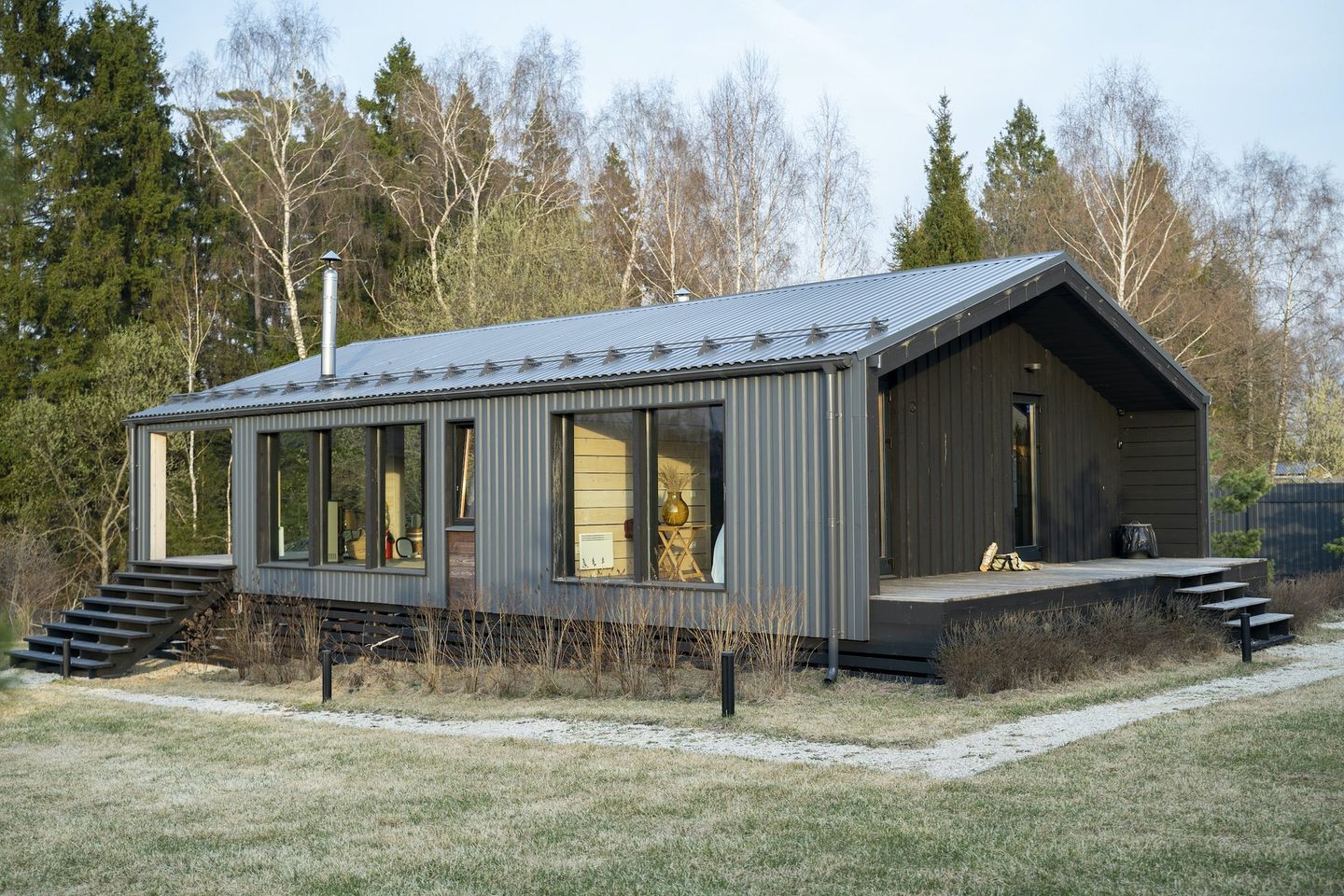
Many individuals gravitate toward tiny houses for their sustainability.
They make for eco-conscious living, given that they're most often made from repurposing materials and incorporating renewable energy solutions.
We believe that they're an ideal choice for those who care about environmental responsibility and lowering their carbon footprints.
After all, they're designed with energy efficiency in mind!
In our experience, so many clients will appreciate this.
They can also integrate environmentally friendly components with ease.
For instance, they can very easily integrate solar panels that harness solar energy and rainwater harvesting systems that collect and recycle water.
Energy-efficient designs further enhance their attractiveness, incorporating elements such as passive solar heating, high-quality insulation, and natural ventilation.
The use of eco-friendly materials, including reclaimed wood and low-VOC paints, reinforces the environmental principles that shipping container living promotes.
And on top of all this, these homes are engineered to withstand extreme weather conditions.
Who would have thought a single container could promise so much?
Versatility
So many clients value control and versatility in the design process.
You may look at a shipping container and think—well, it comes as a single, standard shape.
What versatility could there possibly be?
This is where creativity makes all the difference in your marketing and approach to construction!
Shipping container homes can actually accommodate unique lifestyles and pose innovative solutions that make compact living come alive.
They're highly adaptable structures and can be used to create flexible layouts.
Open-concept living areas or intimate nooks and everything in between are all possible, depending on how you slot them together, where you cut windows, and much more.
Our pro tip: depending on family size and individual preferences, you may wish to adapt these compact spaces to optimize for natural light and spaciousness.
For example, couples might select an efficient one-bedroom layout, while larger families could employ multiple containers to establish spacious, interconnected living spaces that foster togetherness without compromising privacy.
- The use of compact furniture pieces, such as convertible sofas and foldable tables, further enhances the flexibility of these homes.
- A thoughtful selection of furniture can hep facilitate seamless transitions between living, dining, and sleeping areas, contributing to small space living solutions that align with the ethos of the tiny house movement.
- Modular shelving and multi-purpose storage solutions can help maintain a clutter-free environment—with style and functionality.
Whether through a floor plan or considered interior design, there are many ways to make shipping containers inviting and efficient homes that can effortlessly adapt to the evolving needs of their residents.
How to Market Shipping Container Tiny Houses?
So, what's a solid strategic approach we recommend to market shipping container tiny homes?
Combine a robust online presence, social media engagement, and strategic partnerships to reach potential buyers—that's our recommended recipe.
Given the growing interest in sustainable living and affordable housing, conducting comprehensive market research is also a pretty good idea.
That's especially true if you know your audience (as we always recommend!) and are keen to target demographics and align your marketing and offerings with their preferences.
This includes appealing to property investors interested in high resale value options!
Create an Online Presence
Getting online is the first stepping stone if you want to reach a wide audience.
Think of your website as the grand stage where all the magic happens—where those eye-catching designs and stunning visuals can make potential clients say, “I need this in my life!”
To make sure your site doesn't get lost in cyberspace, you’ll want to sprinkle some SEO magic dust on it.
This will help ensure that those hunting for budget-friendly housing can find you without any major search-engine-related difficulties.
You want to be one of the first options to pop up on Google, right?
Keep in mind that your website needs to be a smooth journey for users, with navigation so smooth they could practically waltz through it.
A well-organized layout, complete with an intuitive menu and crystal-clear calls to action, will keep visitors engaged and coming back for more.
And hey, you can even toss in a blog like we do—for regular, detailed, and informative updates!
It’s the perfect way to establish your brand as a sage in sustainable living.
The wisdom you have to share with your audience may prove to be incredibly valuable.
And keep in mind that high-quality visualizations, such as 3D renderings and virtual tours, can do wonders to bring the designs to life and further entice visitors.
That's true on just about any online platform—including social media.
Get On Social Media
If you can use social media effectively, you can greatly enhance the visibility of shipping container tiny houses.
Remember that these innovative homes are fresh and new and exciting—so your potential clients may value learning a thing or two about them.
This, along with visual information, is what you can share on social media with ease to reach plenty of people.
You can even choose the platform to suit your client demographic!
Platforms such as Instagram and Pinterest are particularly effective for visual storytelling and have the potential to generate interest through high-quality images and user-generated content.
To take full advantage, be sure to:
- Create engaging posts that highlight the unique features of container homes can effectively capture attention.
- Incorporate interactive content, such as polls or quizzes related to tiny living and D.I.Y homes, can further engage the audience.
- Host live Q&A sessions allows potential buyers to ask questions in real-time, fostering a sense of community and building trust.
- Use stories and reels provides behind-the-scenes glimpses of the design and building process, making the content more relatable and authentic.
How to Differentiate Your Shipping Container Tiny House Offerings

So, if you're ready to build a tiny empire in the world of shipping container homes, it’s time to put a roof over your competition’s heads!
After all, this is a huge industry—$60 billion dollars in 2023 and heading toward higher value in the future.
When building a container home, consider the unique features that make your offerings stand out.
Perhaps a rooftop garden?
Maybe an interior layout so efficient it could make a Swiss watchmaker weep with joy?
Think about price too.
With the average home builder tired of the same old cookie-cutter designs, unique aesthetics may well redefine the tiny house movement.
It's our MYA philosophy that creativity is what is most distinctive.
Where you go beyond what's already happening, you'll find your people (read—clients).
The key is to embrace the many possibilities of design and creativity.
So go ahead and give that shipping container a makeover that would make even the most skeptical fall in love.
And if you need any help along the way, feel free to reach out to us at MYA for further guidance!
Frequently Asked Questions
What is the best way to market shipping container tiny houses?
Marketing shipping container tiny houses effectively requires a multifaceted approach that highlights their unique advantages.
Firstly, leveraging social media platforms can create a visual appeal, showcasing the modern aesthetics and functionality of these homes.
Using striking images and videos that emphasize the spacious interiors and customizable features can capture potential buyers' interest.
Additionally, engaging storytelling can help convey the benefits of container living, such as sustainability and affordability.
Targeting eco-conscious consumers and those seeking minimalist lifestyles can enhance market reach.
We also recommend emphasizing the versatility of these homes, illustrating how a standard container can be transformed into a cozy abode.
Hosting workshops or virtual tours can also provide hands-on experiences, allowing potential buyers to envision their future in a shipping container tiny house.
Lastly, collaborating with influencers in the tiny house movement or home design can amplify visibility.
How can I use social media to market my shipping container tiny house designs?
Social media is a powerful tool to market your custom-built shipping container tiny house designs.
By showcasing your designs, you can highlight how a 320 square foot house using shipping containers can provide an affordable solution for those looking to downsize.
Use platforms like Instagram and Pinterest to share high-quality images and videos of your tiny homes, emphasizing their unique features and benefits.
You can also engage with your audience by discussing local zoning regulations that may affect potential buyers, helping them navigate the complexities of tiny house living.
By sharing tips on how these houses offer sustainability, you can position your designs as eco-friendly options that help reduce carbon footprints.
Furthermore, emphasize that shipping container homes can last for decades with proper maintenance, making them a worthwhile investment.
Are there any specific target markets for shipping container tiny houses?
Shipping container tiny houses have carved out specific target markets, catering to individuals and families looking to downsize or live off the grid.
These houses built from shipping containers are made to offer a sustainable living option for those looking to reduce costs while enjoying modern conveniences.
With careful planning, the interior space can be customized to meet various needs and budget, featuring elements like countertops and mini-split systems for efficient heating and cooling.
Moreover, building shipping container tiny homes provides a great way to reduce environmental impact, as they can be designed to withstand extreme weather, such as tornado conditions.
Many homeowners appreciate the smaller size of these modular homes, allowing them to embrace a minimalist lifestyle.
Additionally, the option to insulate these structures with extra insulation and add aesthetic features like siding enhances their appeal, making them a rewarding experience for those looking to build one in a unique landscape.
What are some unique selling points to consider when marketing shipping container tiny houses?
When marketing shipping container tiny houses, there are several unique selling points to consider.
First, these homes are cheaper to build than traditional building methods, with the total cost often lower due to the use of standard containers or high cube options.
Additionally, shipping containers are designed for durability, making them an ideal choice for those looking to build a house that stands the test of time.
Each custom container can be tailored to fit individual needs, allowing homeowners to create a unique space, whether it's a queen size bedroom or a cozy living area with a stylish countertop and drywall finishes.
Moreover, shipping container homes require less time to construct, providing a quick solution for those eager to move into their new sanctuary.
With the right insulation methods, such as spray foam insulation, these homes can be comfortable year-round.
Many buyers appreciate the modular aspect of these homes, as they can easily expand or modify their living space over time.
Additionally, incorporating essential systems like a water heater and septic system ensures that shipping containers come equipped for modern living, further enhancing their appeal in a market that has become increasingly popular in recent years.
How can I differentiate my shipping container tiny house designs from others on the market?
To differentiate your shipping container tiny home designs from others on the market, consider focusing on unique floor plans and innovative use of building materials.
While many opt for the standard 20-foot container or steel shipping container, offering customizations such as expanded layouts or eco-friendly options can set your tiny container home apart.
Incorporating large windows and doors can enhance natural light, creating a more inviting atmosphere within the container tiny home.
Additionally, emphasizing the sustainability of used shipping containers by showcasing how they are repurposed into homes can appeal to environmentally conscious buyers.
As shipping container homes become increasingly popular, leveraging unique design elements will help potential homeowners envision their dream tiny shipping container home as a viable alternative to a traditional home.
Another way to stand out in the home building market is by offering flexible options for building a shipping container that cater to various lifestyles.
For instance, designing a guest house or a multi-functional space within a shipping container house can attract those looking for alternative living solutions.
Highlighting the process of building a shipping container tiny home with modular features can also appeal to buyers interested in DIY projects.
What are some effective strategies for marketing shipping container tiny houses to potential clients?
In addition to targeted advertising and social media marketing, hosting open houses or participating in home and design shows can provide an opportunity to showcase your shipping container tiny house designs and connect with potential clients.
Collaborating with other industry professionals, such as real estate agents, sustainability advocates, or companies, can also help expand your reach and attract interested buyers.